
Last updated November 25, 2026
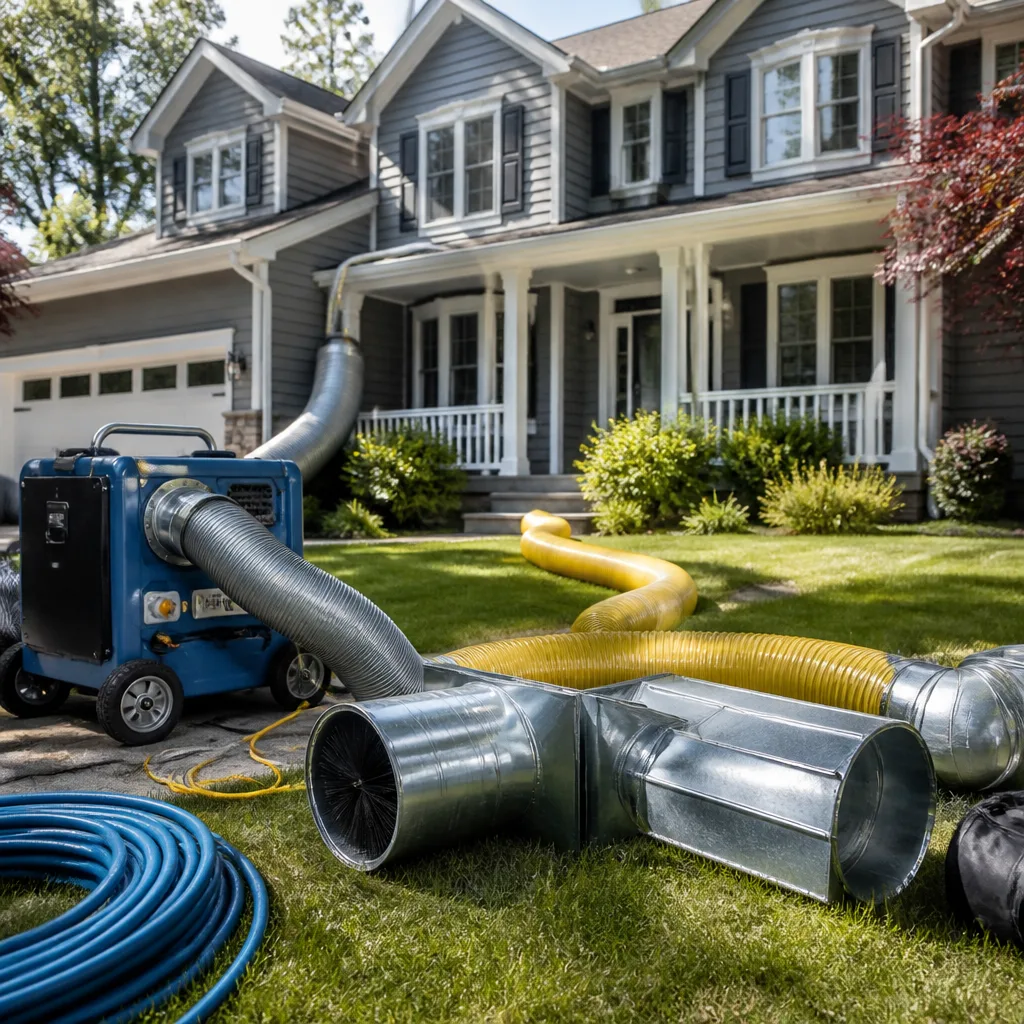 Whole-home duct cleaning
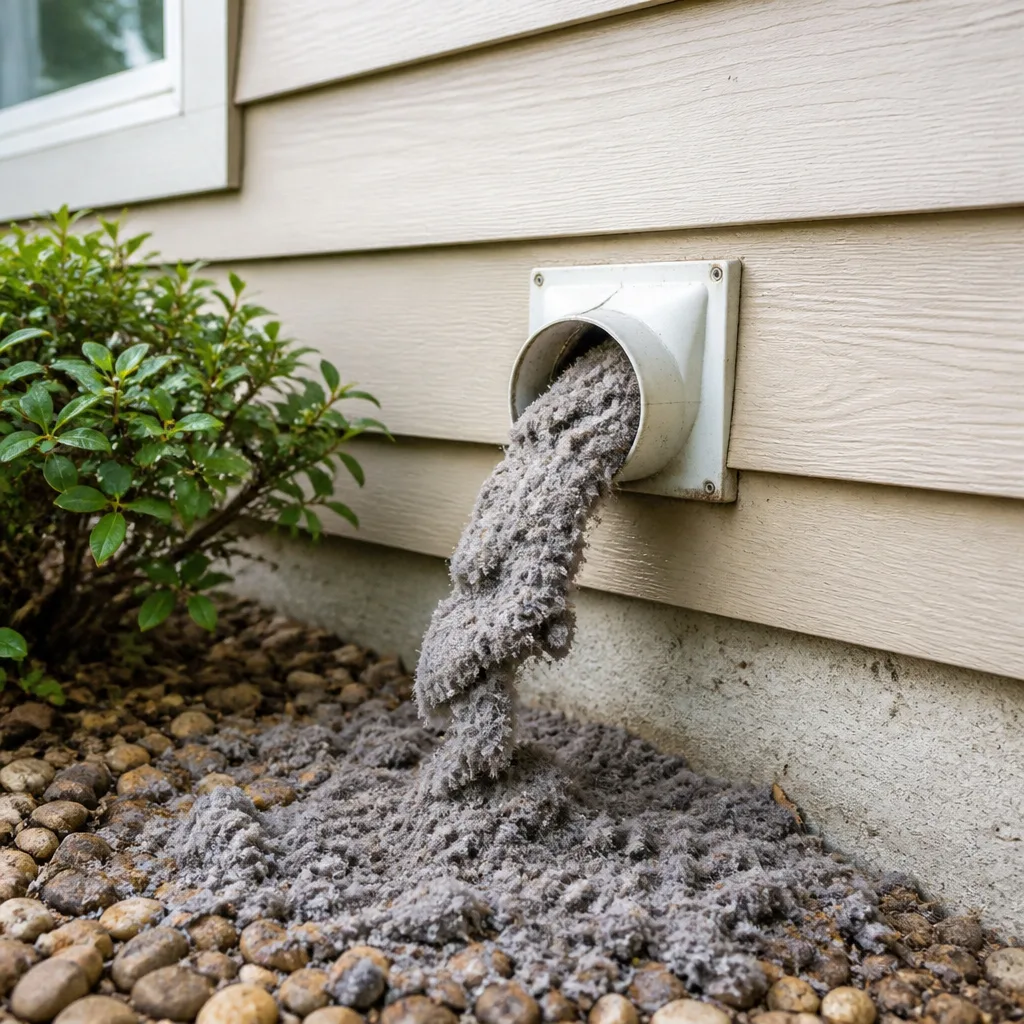 Dryer vent cleaning
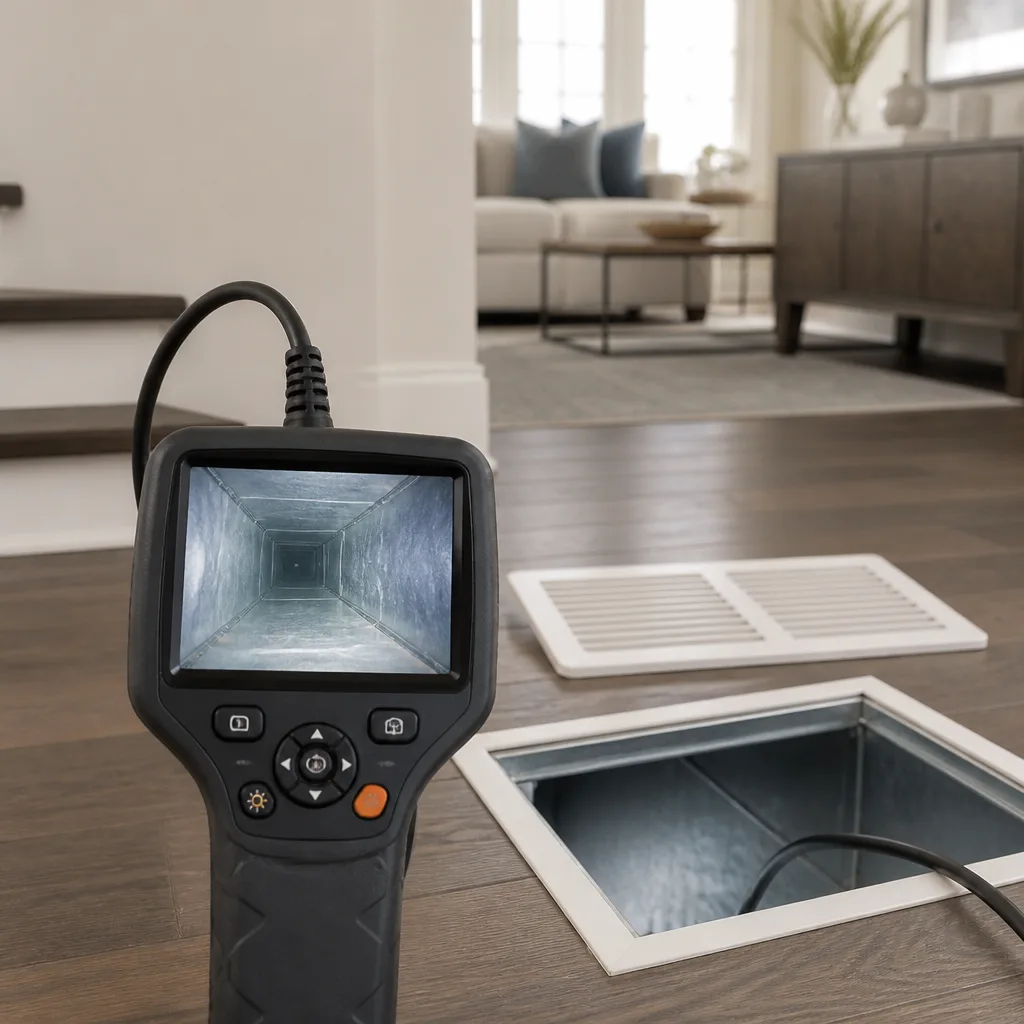 Camera inspection
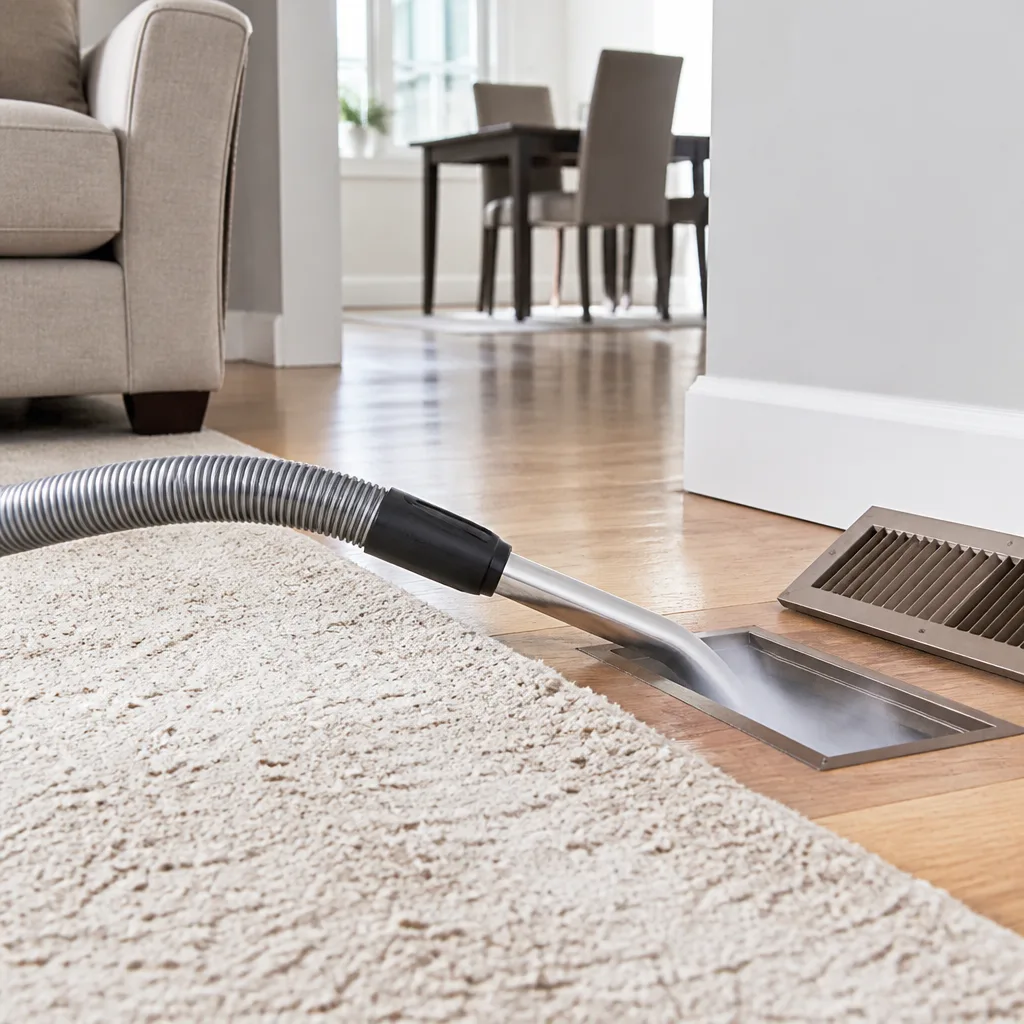 Sanitizing & deodorizing
Whole-system duct and dryer vent check with before-and-after photos - you see exactly what came out of your vents
That "$99 whole-house special" is a bait ad - the real number appears once they are in your hallway, or the "clean" is a shop-vac at the register. We photograph the inside of your ducts before and after instead.
Air Duct Cleaning Maintenance Checklist for Federal Way Homeowners
Changing your filter on schedule feels like maintenance. It isn’t. A clogged filter can bow slightly in its frame, and that small bypass gap – sometimes the width of a pencil – routes unfiltered air straight past the filter and through your entire duct system for years. No filter schedule catches that. Only a checklist built to look for it does. In Federal Way, where our wet winters push indoor moisture up and our dry summers pull dust into every return, the conditions that degrade a duct system are easy to miss because they build slowly and quietly. What follows is the checklist we’d hand a homeowner who wants to know what’s actually happening inside their ducts between professional visits – what to look at, what to smell, what to measure, and when a finding means a call.
Quick Answer
A practical air duct maintenance checklist in Federal Way centers on spotting degradation before it compounds: check register grilles and accessible flex duct monthly, watch for filter bypass gaps and musty odor patterns after rainy spells, inspect air handler cabinet seams with a flashlight, and schedule professional cleaning when you see visible dust buildup at the grille, persistent musty smells, or rising allergy symptoms indoors. Most of what matters isn’t on a calendar – it’s observable.
Styles & brands we work with
- Whole-home duct cleaning
- Dryer vent cleaning
- Camera inspection
- Sanitizing & deodorizing
Table of Contents
- Why Frequency-Based Duct Maintenance Fails Federal Way Homes
- The Visual Inspection Checklist (No Tools Required)
- Smell and Airflow Indicators in Pacific Northwest Homes
- The Filter Gap and Bypass Check Most Guides Skip
- Federal Way Seasonal Timing Triggers (Not Arbitrary Annual Reminders)
- Which Findings You Can Fix and Which Require a Contractor
- The Dryer Vent Layer of Your Checklist
- When Cleaning Alone Isn’t Enough: Repair, Sealing, and Air Quality
Why Frequency-Based Duct Maintenance Fails Federal Way Homes
A yearly cleaning on a calendar doesn’t tell you anything about the state of your duct system. It tells you it’s been a year. The real question is whether your specific system – the one in your house, in your neighborhood, with your HVAC layout – is degrading right now. That’s a question only inspection answers.
Consider what varies from home to home in Federal Way. Homes in the Twin Lakes and Marine Hills areas sit near older mature tree cover that drops fine organic debris into outdoor air intakes. Housing in the Federal Way city center corridor includes lots of 1970s and 1980s construction where ductwork often runs through unconditioned crawlspaces – spaces that hold moisture through our wet fall and winter, and where flex duct seams are more likely to develop gaps. Newer construction near the Panther Lake area tends to be tighter and more sealed, which means when something goes wrong, the effect on indoor air quality shows up faster.
The system also accumulates in a pattern that matches how you live. If you have pets, dust buildup at the return registers happens faster. If anyone in the household has allergies or asthma, lower indoor particulate levels matter sooner. If you’ve had a renovation, drywall dust becomes a duct problem the moment the contractor doesn’t isolate the system. All of these are observable conditions. A checklist that reads the conditions beats a schedule that assumes they don’t exist.
The point of a maintenance checklist isn’t to tell you when to clean. It’s to tell you what’s happening – so when it’s time to act, you know because the evidence says so, not because a reminder popped up on your phone.
The Visual Inspection Checklist (No Tools Required)
You can do more of a duct inspection than most guides admit. This isn’t about opening a duct or reaching into an air handler – the mechanical work belongs to a trained technician. It’s about reading the visible system: what grilles show, what accessible duct runs look like, and what the outside of the air handler is telling you.
Run through this list once a month. It takes about ten minutes.
- Register grilles. Lift out each supply and return grille. Look at the surface behind the louvers. A thin film of dust is normal between cleanings. A visible mat of dust, discoloration, or dark smudging around the edges means airflow is carrying heavier particulate than expected.
- Visible flex duct in crawlspace or basement. If you can see your duct runs, shine a flashlight along them. Look for kinks, crushed sections, sagging spans that touch the ground, or tape peeling at joints. Any of these means the duct isn’t delivering air the way it was designed to.
- Air handler cabinet seams. Open the closet or utility space. Look at the seams where the air handler cabinet panels meet, and where the duct connects to the cabinet. Get a flashlight and look low along the floor. Gaps and dust trails at seams show where the system is drawing unfiltered air.
- Duct insulation. Where you can see duct wrap or insulation, look for tears, sagging, or water staining. Wet insulation is a moisture problem in the ducts, not just a comfort problem.
- Ceiling and wall staining near registers. Discoloration at the ceiling near a register can mean condensation. Condensation means a temperature or humidity problem that affects the duct interior too.
None of these require you to touch the system’s mechanical components. They only require looking. And what you see will tell you whether the system is functioning or slowly losing ground.
If the register grilles show heavy, consistent buildup, if you’re seeing crushed duct runs, or if there’s water staining on insulation – those are the signs that a professional air duct cleaning scope needs to include a duct repair and sealing review, not just a clean.
Smell and Airflow Indicators in Pacific Northwest Homes
Odor is data. It’s telling you something about what’s inside the system, and in this part of Washington, the wet months are when odor problems reveal themselves. You need to know which smell means what, because musty and dusty are not the same problem.
Dust smell is dry, flat, a little like opening an old book. It’s the smell of accumulated particulate in the ductwork. It gets stronger when the system restarts after a long idle period – the first time the heat comes on in October, for example, if there’s been a long gap. Dust odor corrects itself as airflow continues, or it stays mild and constant.
Musty smell is different. It’s earthier, damper, slightly sour. That’s a moisture signature. In Federal Way, we see it most often following stretches of wet weather when outdoor humidity pushes against a building envelope. It signals cooler, damp surfaces – likely in crawlspace lines, in a duct whose insulation has wet through, or in an air handler that’s developed condensation. Odor that comes on after rain and fades when the weather dries out is a moisture-intrusion signal, and it doesn’t fix itself with a cleaning.
Airflow tells you the same story from a different angle. Here’s what to check:
- Output at each register. Use a strip of tissue held at each supply grille. The tissue should flutter away from the grille with roughly equal strength at every vent in the room. One vent that barely moves air while others do means a broken or disconnected branch, a balancing damper stuck, or a crushed run in the line.
- Return draw. Hold the tissue up to a return grille. Return airflow should feel steady and cool. A return that feels weak can mean a blocked return path – often a collapsed flex duct or a piece of furniture that’s covering the register.
- Room-to-room temperature spread. If one room cools (or heats) far differently from the rest when the system is on, the ducts to that room are likely undersized, obstructed, or disconnected. That’s a duct distribution issue, not a thermostat issue.
If you smell musty air after our wet season, or notice airflow dropping at specific registers, those are the two findings that most reliably move a clean into a deeper diagnostic scope. It’s also the point where an HVAC cleaning and system inspection can help identify where the airflow is being lost.
The Filter Gap and Bypass Check Most Guides Skip
This is the check that almost no maintenance guide includes, and it’s the one that matters most. A filter does nothing if air can route around it.
Here’s how to check for filter bypass:
- Remove the filter. Look at the filter slot or frame. The filter should slide in snugly against a lip or a gasket on all four sides.
- Check the filter itself. Is it the right size for the slot? If it slides around in the slot with more than a small amount of play, it’s the wrong size, and air will bypass around the edges.
- Look at the slot around the filter. Once the filter is seated, look at the gap between the filter edge and the slot. If you can see light through the edges, or daylight around the perimeter, air is passing unfiltered. A pencil-width gap at one edge can pass more air than the entire filter face.
- Look for a gasket. Filter frames should have a compressible gasket or a foil-back seal. If the existing frame has bare metal at the filter seat with no gasket material, that’s a structural bypass.
- Check the filter fit after installation. Once the filter is seated, press gently on the edge. If it springs or rocks in its slot, the seal isn’t complete.
A bypass gap routes unfiltered air directly into the air handler and the whole supply system. And a bypass gap is invisible to anyone who only checks the filter on a schedule. It’s also something that shows up in the system’s return plenum and air handler cabinet seams as dust trails – so once you spot a dust trail at a seam, look back upstream at the filter frame.
Before it’s fixed, the standard fix is a snug, correctly sized filter and a filter frame with a compressible gasket. That’s often a homeowner-serviceable job. If the frame itself is warped, too large, or built without a seat, that’s a repair for a technician.
Federal Way Seasonal Timing Triggers (Not Arbitrary Annual Reminders)
Monthly reminders tell you it’s been a month. Seasonal triggers tell you something meaningful about the system. Here are the timing checkpoints we use in this climate – and why each matters.
- The first sustained wet spell of fall. When the rain returns in earnest, crawlspace humidity climbs. Run the visual inspection and the smell check now. Any duct insulation that was dry all summer will show moisture here first. A crawlspace visible run with a sagging span or a wet section needs a technician review.
- The first cold snap and the heating switchover. The first time you run the heat in the fall, dust in the ducts re-suspends. Check register dust this week. If dust was moderate in summer and heavy now, that’s a signal the system is carrying more accumulation than it had.
- The transition out of the wet season (early spring). When humidity drops, that’s the best window to check what the wet months left behind. Duct repairs and sealing work done now are less likely to be re-exposed before the dry season. Musty smells that persisted all winter should be resolved before summer.
- After any renovation or drywall work. Not a calendar event, but a trigger. If a contractor cut drywall or sanded in a room without isolating the return, duct contamination is likely. A visual check at the return and a professional cleaning review should follow.
- After an HVAC service call. If a technician serviced your HVAC, ask what they saw in the ducts. Most service calls put a trained eye on the system, and the technician will flag visible debris, moisture, or duct damage if asked.
- Before a season of heavy use. This is where the professional timing check hits: schedule a full duct and HVAC review ahead of the cold season so any repair or sealing is done before the system works hard. The heating season is when a compromised duct system costs you most.
Treating these as your prompts is more useful than a calendar reminder. They’re tied to the conditions that actually stress a Federal Way duct system.
Which Findings You Can Fix and Which Require a Contractor
Knowing where the line sits keeps you from trying to do work that requires a trained technician – and from paying someone to do what you could safely handle. Here’s the honest division.
Homeowner-serviceable findings:
- Filter replacement with the correct size filter, checked for snug fit. Replace on the manufacturer’s schedule, not an arbitrary 90-day rule.
- Filter gasket replacement if the frame has a seat for it and the gasket material is commonly available.
- Register grille cleaning. Remove the grilles and vacuum the surface behind them, cleaning up dust before it re-suspends. This doesn’t clean the duct, but it stops the grille surface from being the problem.
- Return register clearance. Make sure furniture, rugs, or boxes aren’t blocking returns. That’s all most airflow problems need.
- Dryer vent screen cleaning. Clear the lint screen after every load and clean the screen area periodically. That’s homeowner work.
Findings that need a contractor:
- Duct disconnection or crushed flex duct. Requires access to the crawlspace or attic and a real repair, not tape and hope. Duct repair and sealing is part of the full-service scope we work with.
- Musty odor connected to moisture intrusion. Requires identifying where the moisture is coming from and addressing the duct system accordingly – often with sanitizing after the moisture source is resolved.
- Deep duct debris visible beyond the grille. Cleaning your ducts means reaching and extracting debris from inside the duct system – that requires professional-grade agitation and extraction equipment. This is where a professional service that handles air duct cleaning is essential.
- Air handler cabinet gaps or damaged plenum. Air handler cabinet areas are mechanical. Don’t remove panels yourself.
- Duct insulation with water staining. Insulation replacement and duct repair together, which is not a homeowner job.
Notice that the calls are about condition, not frequency. If you have a finding that requires a contractor, it isn’t necessarily urgent – but it isn’t something to leave untouched through another heating season.
When you need help on the mechanical side, Federal Way Air Duct Cleaning Co’s work includes the full scope: cleaning, repair, sealing, and air quality. You can read more about their Federal Way Air Duct Cleaning Co service and how they approach a system-wide evaluation.
The Dryer Vent Layer of Your Checklist
Your air duct checklist should include your dryer vent, and most don’t. The dryer vent is a duct. It moves warm air and lint, and it’s the one duct in your house that carries a fire risk when lint accumulates.
Here’s what to include:
- Lint screen after every load. That’s maintenance, and it’s monthly-confirmable that you’re doing it.
- Exterior vent flap. Check that the exterior vent flap outside opens freely and closes when the dryer is off. Lint buildup can hold the flap open or closed. A flap that won’t open means lint is restricting the line.
- Dryer inefficiency as a signal. If the dryer is taking longer than it used to – clothes coming out damp or needing a second cycle – that’s often a sign that the vent line has accumulated lint somewhere between the dryer and the exterior wall. Longer dry times are the most reliable early indicator of dryer vent restriction.
- The wall to exterior vent run. The length of run from the dryer to the exterior, the number of bends, and the exterior vent condition all affect how well the system exhausts.
- Annual professional evaluation. Even a homeowner who keeps the lint screen clean should have the full dryer vent run evaluated on a schedule, particularly if their exterior flap is on the roof, if the run is long, or if they’ve never had it inspected.
If any of the signs point to a restricted dryer vent, don’t keep using the dryer. Get a professional evaluation first. dryer vent cleaning is part of the full-system work we do, and it’s often the most important single call a homeowner makes to prevent a fire risk.
One more point about the safety side: never force dryer installation changes, never attempt to open a duct line yourself, and if the exterior flap can’t be reached safely (roof vent, high wall), call a professional. Height work around a vent line is not a homeowner job.
When Cleaning Alone Isn’t Enough: Repair, Sealing, and Air Quality
Air duct cleaning removes what’s inside the ducts. It doesn’t fix why the system accumulated so much – and a duct system that’s leaking, disconnected, or has a filter bypass will recontaminate faster than a system that’s sound. Clean ducts are only part of the story.
That’s the reason a full-system approach matters, and here’s what the sequence looks like:
- Inspection first. A trained technician evaluates the system: duct routing, filter fit, connections, moisture, and any visible damage. The findings set the scope.
- Repair and sealing. Disconnected or crushed duct runs get repaired. Leaky joins get sealed. A filter bypass gets fixed. This step is what stops air loss and keeps contamination from getting back in.
- Cleaning. Professional-grade agitation and extraction systems are used to remove debris from inside the duct runs and air handler. The specific equipment matters – agitation and extraction systems are used in abatement and restoration work precisely because they remove material, not just wipe surfaces. That’s why we work with Rotobrush and Nikro, equipment trusted by restoration and abatement contractors.
- Air quality and sanitizing. Where the inspection found moisture or microbial conditions, a sanitizing pass after cleaning addresses what standard duct cleaning doesn’t. This is where Abatement Technologies air filtration equipment comes in. We work with Guardsman treatments as part of the sanitizing and air-quality scope.
- Long-term control. For homeowners who want to keep indoor air quality steady, whole-home air quality systems are the next step. We work with Honeywell and Aprilaire product lines – both of which give a homeowner a path to ongoing control between visits, not just a one-time clean.
This is also why the checklist is honest about when you need a contractor. A finding that duplicates cleaning work wasted your money. A finding that skips repair, sealing, or sanitizing misses the cause. Our experience in Federal Way is that most homeowners who call for an air duct cleaning review benefit more from a full-system look than from the clean alone.
Our technicians have up to 13 years of experience and use professional-grade equipment, not entry-level gear. When we scope a job, we work from the findings the inspection produces, not a preset package. And when the answer is “your ducts are fine and you need a filter gasket,” we tell you that.
Common Mistakes to Avoid
- Relying on an annual reminder instead of inspecting. A yearly cleaning on a schedule tells you how long it’s been, not the condition of the system. Build the monthly check into your routine so you’re reading the actual ducts.
- Ignoring filter bypass. A filter that doesn’t seal in its slot is a duct problem, not a filter problem. Check the fit every time you replace the filter, and look around the edges of the slot for a gap that air can pass through. A pencil-width gap is enough to route unfiltered air through the whole system.
- Treating musty and dusty as the same smell. Dust odor is debris; musty odor is moisture. Musty smell is a moisture problem in Federal Way, and cleaning without addressing the moisture source will re-create the same condition.
- Skipping the dryer vent. The dryer vent is a duct, and lint accumulation is a real fire risk. Cleaning the lint screen is not the same as a dryer vent inspection. Clean the screen and get the run evaluated by a professional.
- Reaching into the ductwork yourself. Duct interior debris, flex duct connections, and air handler cabinet areas are all professional work. Visual inspection through registers is homeowner work; reaching inside is not.
- Venting a moisture problem into a duct clean. Sanitizing without first identifying the moisture source is like painting over damp wood. If the odor comes back after the wet season, the moisture source wasn’t addressed.
- Not checking visible duct in crawlspaces. Crawlspace ducts are where damage often hides – crushed flex, separated joints, wet insulation. If you can see your ducts, look at them. If you can’t, ask for a professional inspection.
See the difference
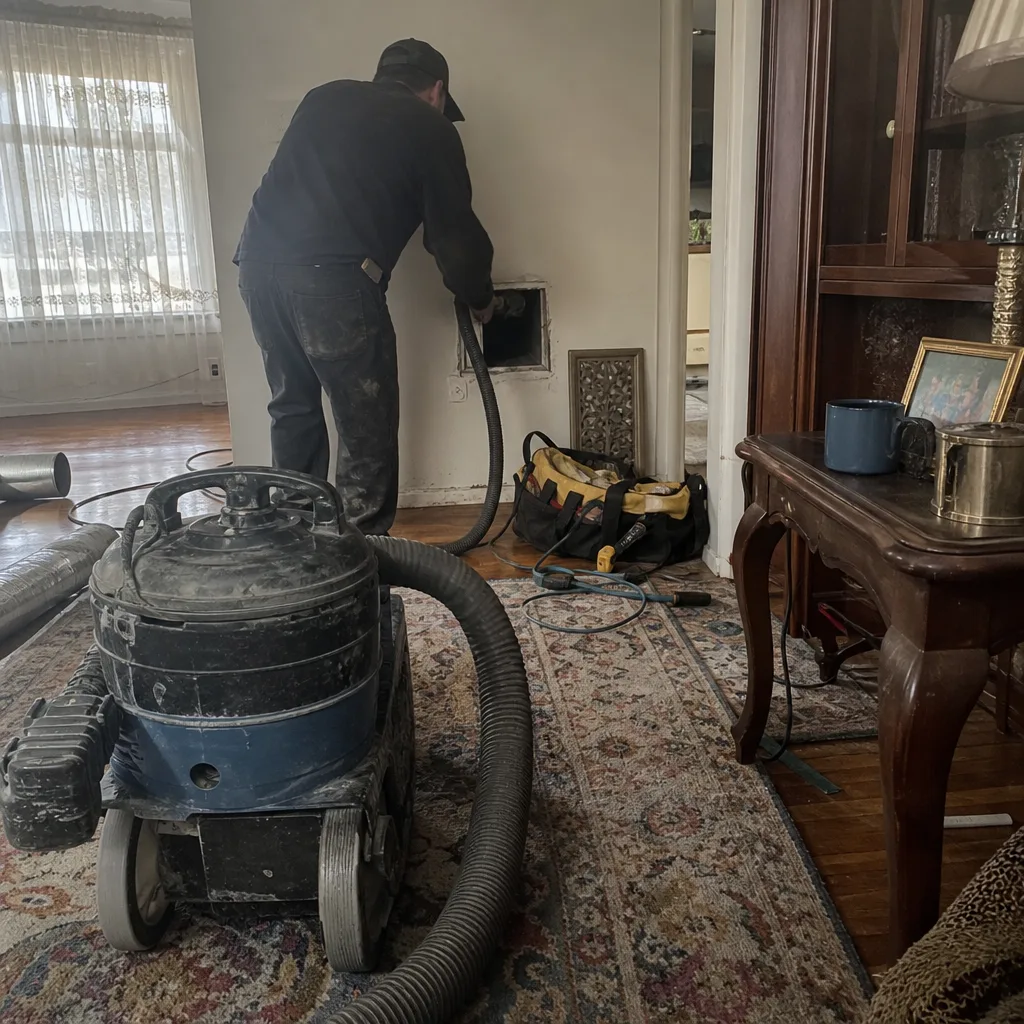 Before
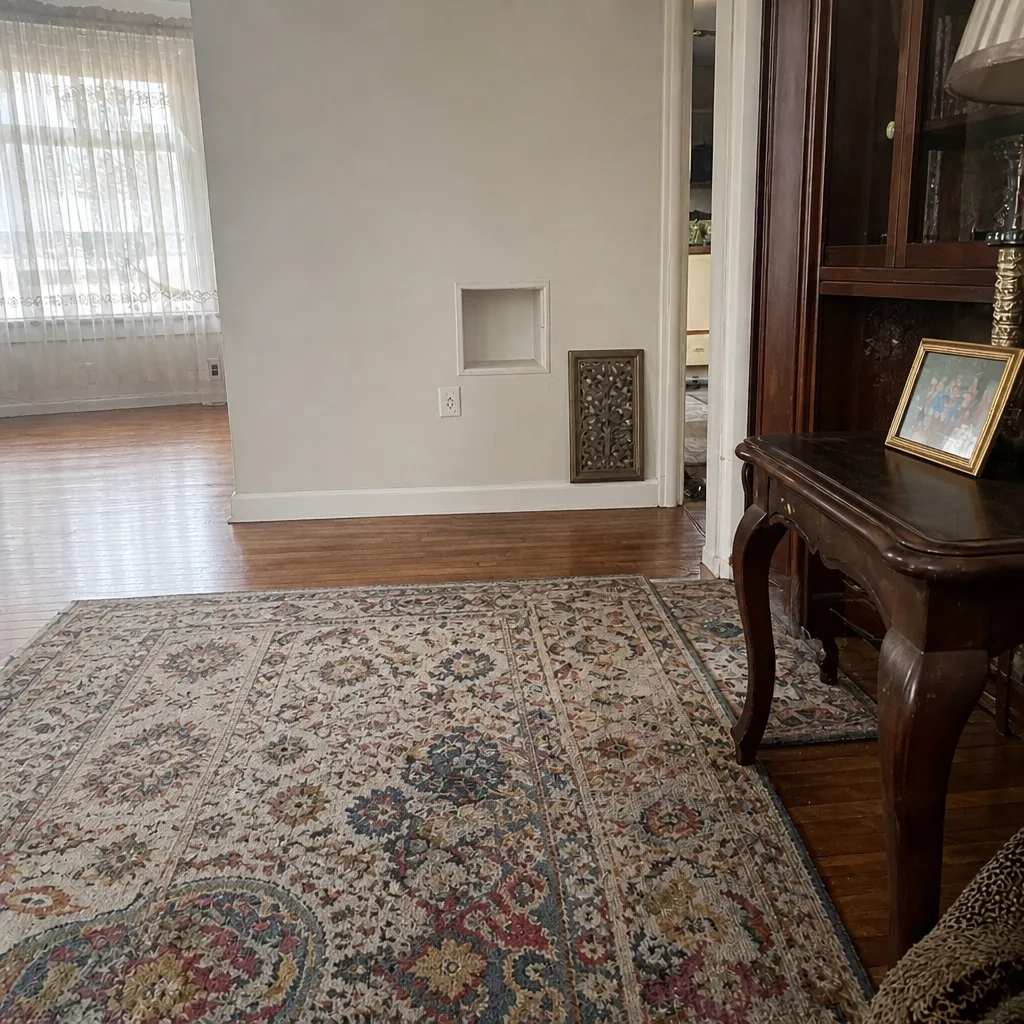 After
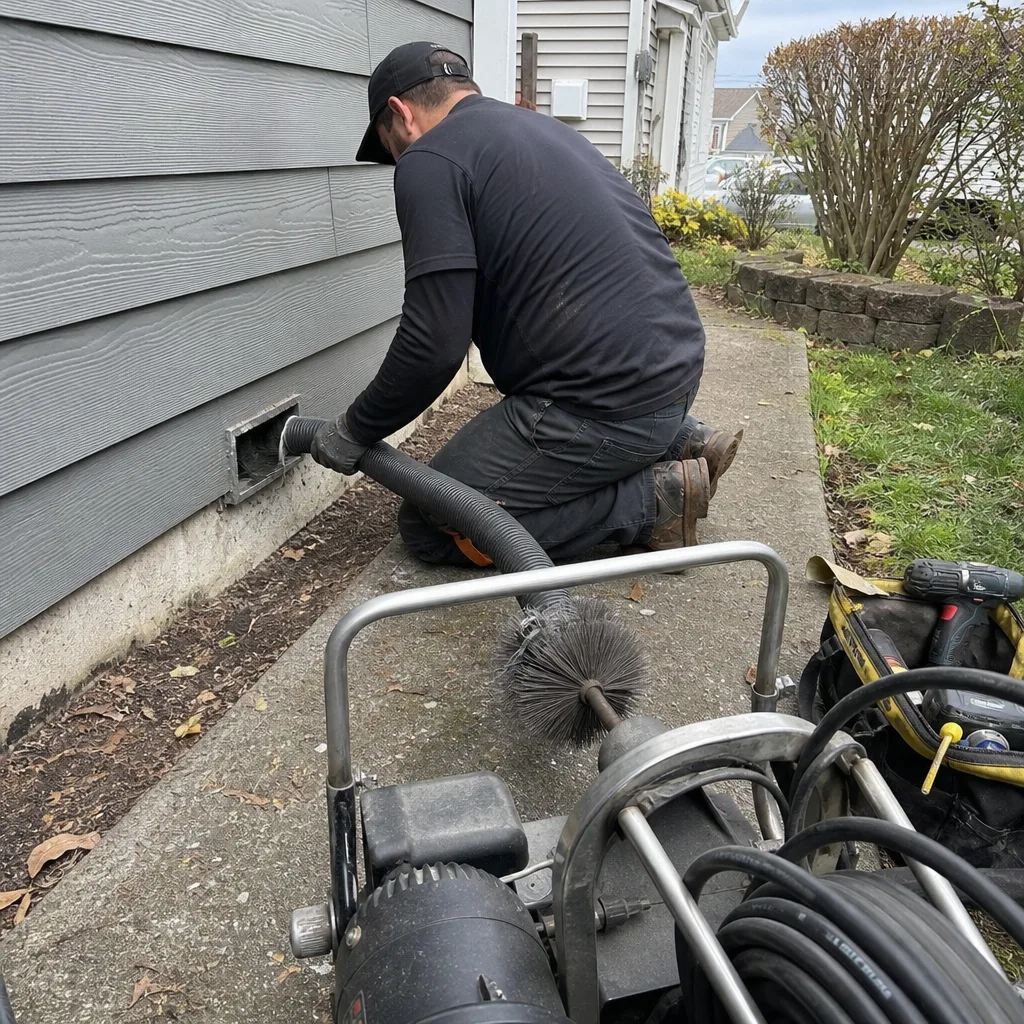 Before
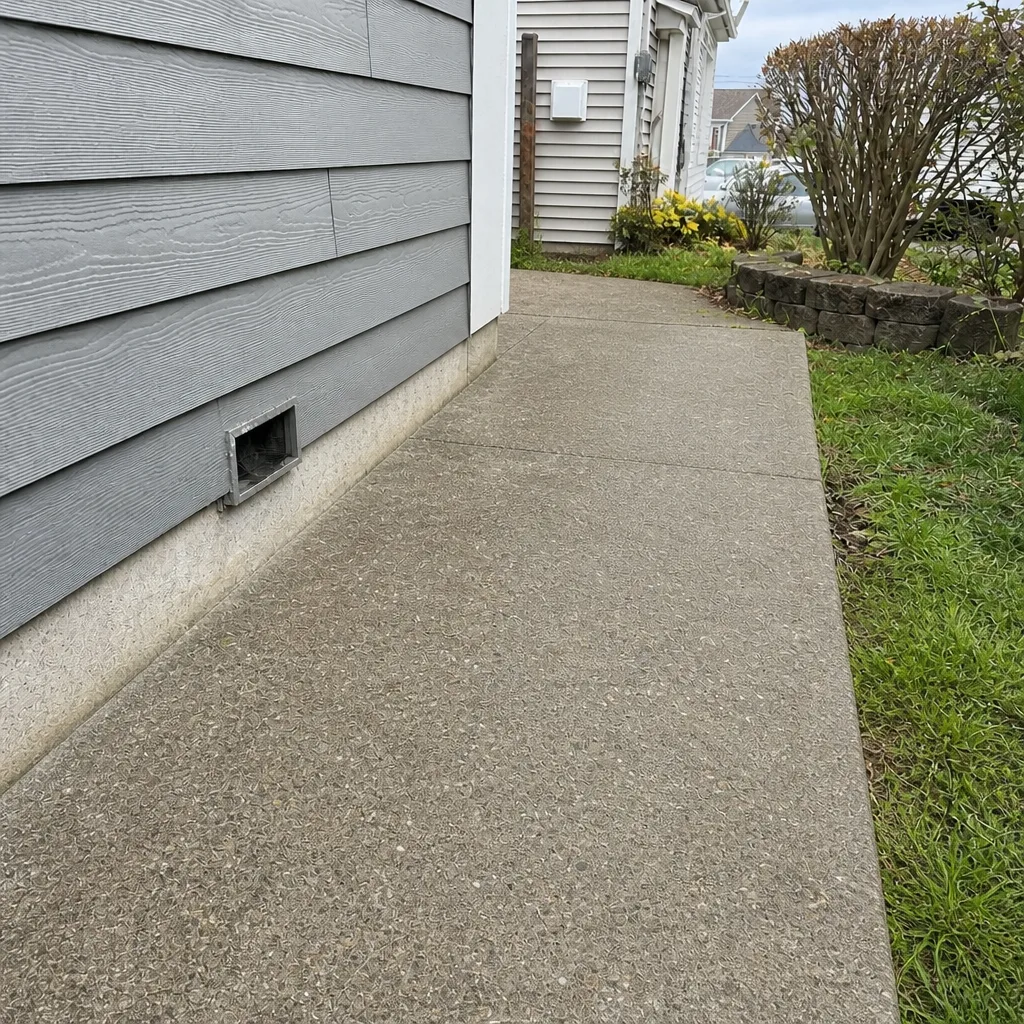 After
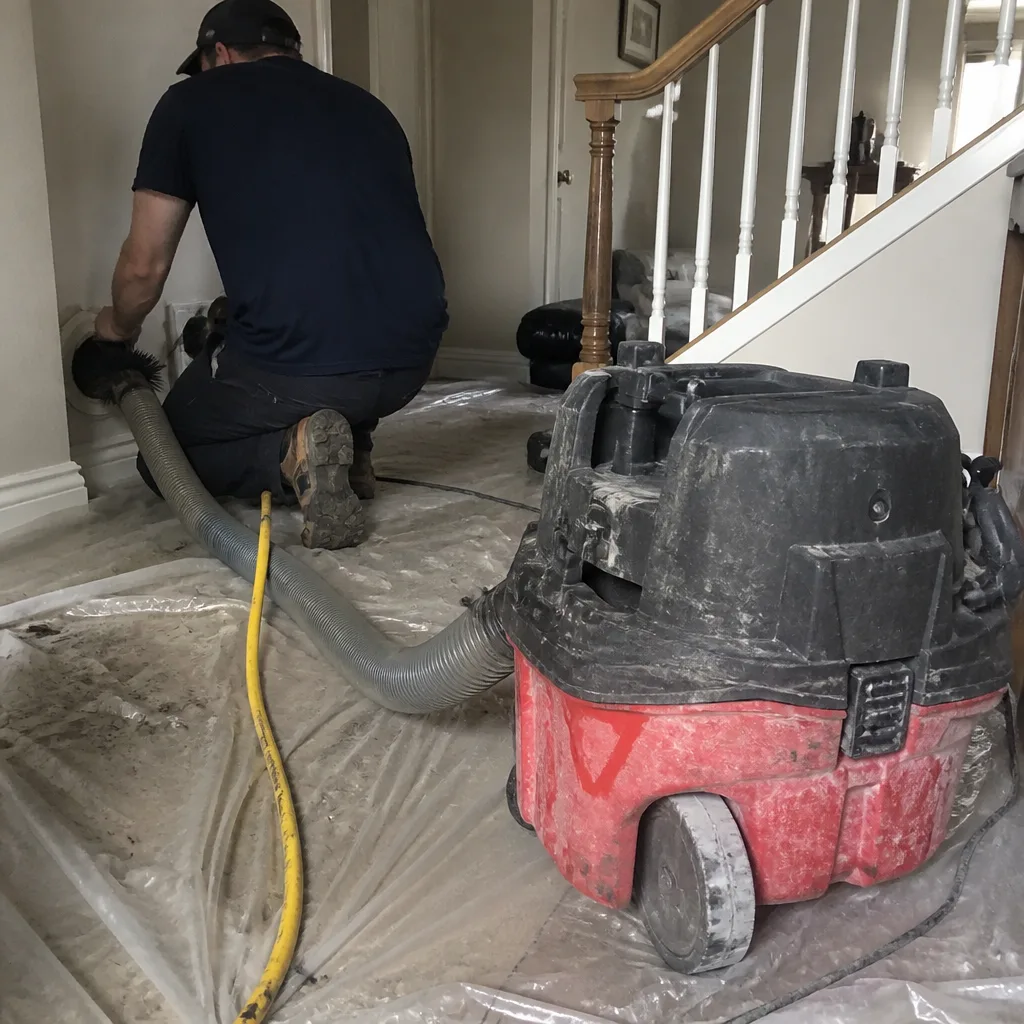 Before
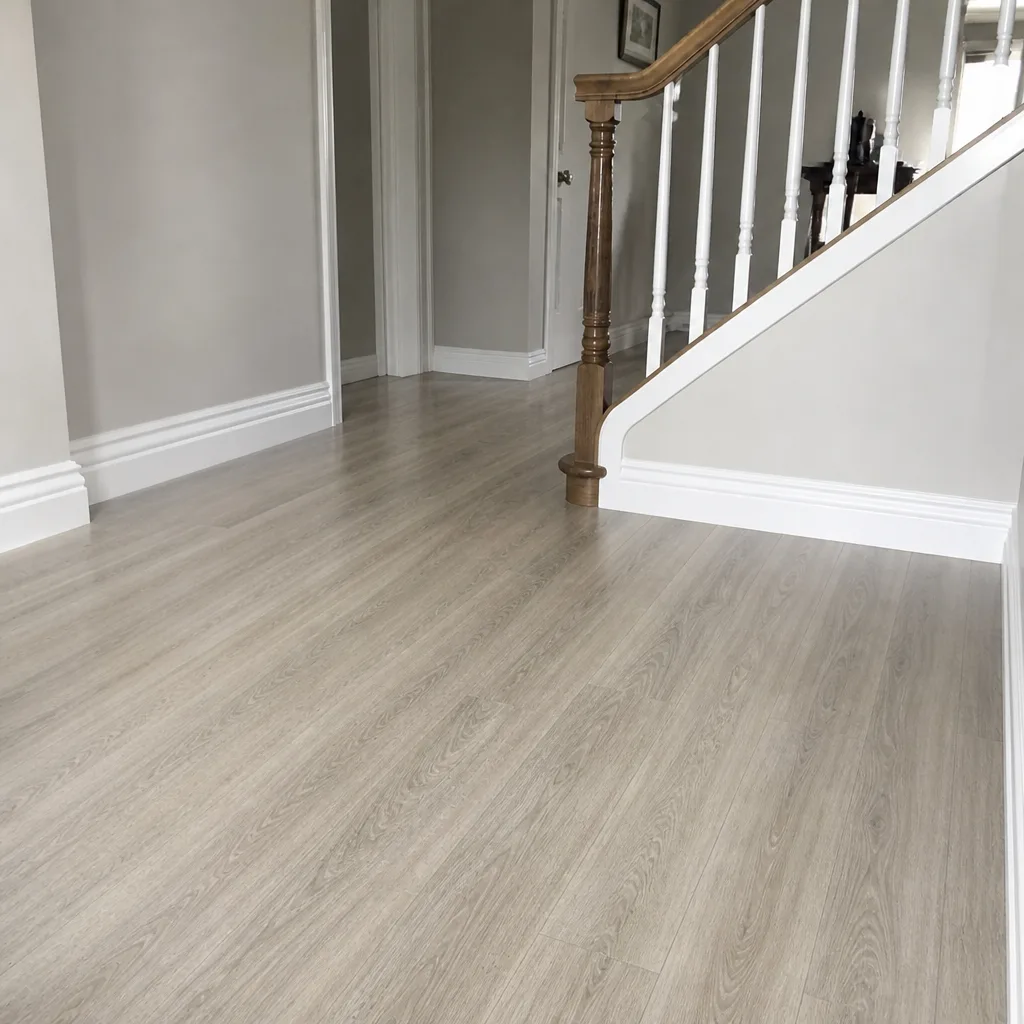 After
When to Call a Professional
Call a professional when you find one of these: a register that’s visibly matted with dust and airflow that feels weak across the room; a musty odor that returns every wet season; a filter slot with visible bypass; crushed or disconnected duct visible in a crawlspace or attic; water staining on duct insulation; a dryer that takes longer than it should to dry a normal load; or a register with no airflow when the system is on. These are the conditions that justify a professional evaluation rather than a wait-and-see approach.
Federal Way Air Duct Cleaning Co offers free estimates in Federal Way – call (844) 625-7649 to schedule a full-system inspection and let the findings set the scope. We answer 24/7. Fast dispatch from 7am to 7pm, Sunday through Friday.
Frequently Asked Questions
There’s no universal calendar interval – it depends on the conditions your checklist finds. Most Federal Way homes need professional cleaning when register dust is heavy and consistent, a musty odor won’t clear, airflow drops at a register, or after a major renovation. If your system passes the visual, smell, and airflow checks, you don’t have a compelling reason to clean. Call (844) 625-7649 for a free estimate if you’re seeing any of these signs.
The filter gap and bypass check. A filter that doesn’t seal in its slot lets unfiltered air route straight into the air handler and supply ducts, which is invisible to anyone who only changes the filter on a schedule. Run the check after every filter change. If you find a bypass gap you can fix yourself, and call us for a free estimate if the frame needs repair.
It’s usually a moisture problem, which cleaning alone won’t fix. Musty odor in Federal Way tends to appear after wet fall and winter weather, which points to crawlspace ducts, wet insulation, or air handler condensation. The professional path is moisture-source identification, then a full scope that includes cleaning and sanitizing. Call (844) 625-7649 for a free estimate to have the system inspected.
Only visually, and only if the space is safe and accessible. Look at visible runs for crushing, sagging, disconnected joints, tape peeling, or wet insulation. Don’t reach into ducts, don’t remove air handler panels, and don’t climb into spaces with structural or height risk. If anything you see concerns you, have it professionally reviewed – call (844) 625-7649 for a free estimate.
Yes. The dryer vent is a duct that moves warm linty air and is a fire risk when restricted. Longer dry times, a stuck or blocked exterior flap, or lint accumulation in the line all justify a professional look. Most homes should plan for periodic professional dryer vent evaluation, especially when the exterior flap is on the roof or the run is long. Call (844) 625-7649 for a free estimate.
Cleaning removes accumulated debris from inside the duct system. Sanitizing addresses microbial conditions after cleaning – typically applied where inspection found moisture or where allergy concerns matter. Sanitizing without cleaning first isn’t effective, and cleaning without resolving a moisture source can lead to recontamination. We work with Abatement Technologies air filtration equipment and Guardsman treatments in the sanitizing scope. Call (844) 625-7649 for a free estimate on the right scope for your system.
The Bottom Line
A duct maintenance checklist for Federal Way isn’t a schedule; it’s a habit of reading the system you have. The three things that matter most are visibility – what registers and accessible ducts show – smell and airflow, which reveal moisture and distribution problems that a clean won’t fix, and the filter bypass check, which most guides skip entirely. Tie the checks to real seasonal triggers: the first wet spell of fall, the heating switchover, the spring dry-out, and any renovation. Then know where your responsibility ends: filter fit, register cleaning, and lint screens are yours; duct repair, sealing, sanitizing, and anything inside the mechanical system belongs to a trained technician with professional-grade equipment.
Federal Way Air Duct Cleaning Co provides air duct cleaning, dryer vent cleaning, HVAC cleaning, duct repair and sealing, and air quality sanitizing across Federal Way, working with professional-grade equipment and Honeywell, Aprilaire, and Guardsman product lines as part of the full-system scope. Call (844) 625-7649 for a free estimate. We answer 24/7. Fast dispatch from 7am to 7pm, Sunday through Friday.
Written by the team at Federal Way Air Duct Cleaning Co.