
Last updated November 25, 2026
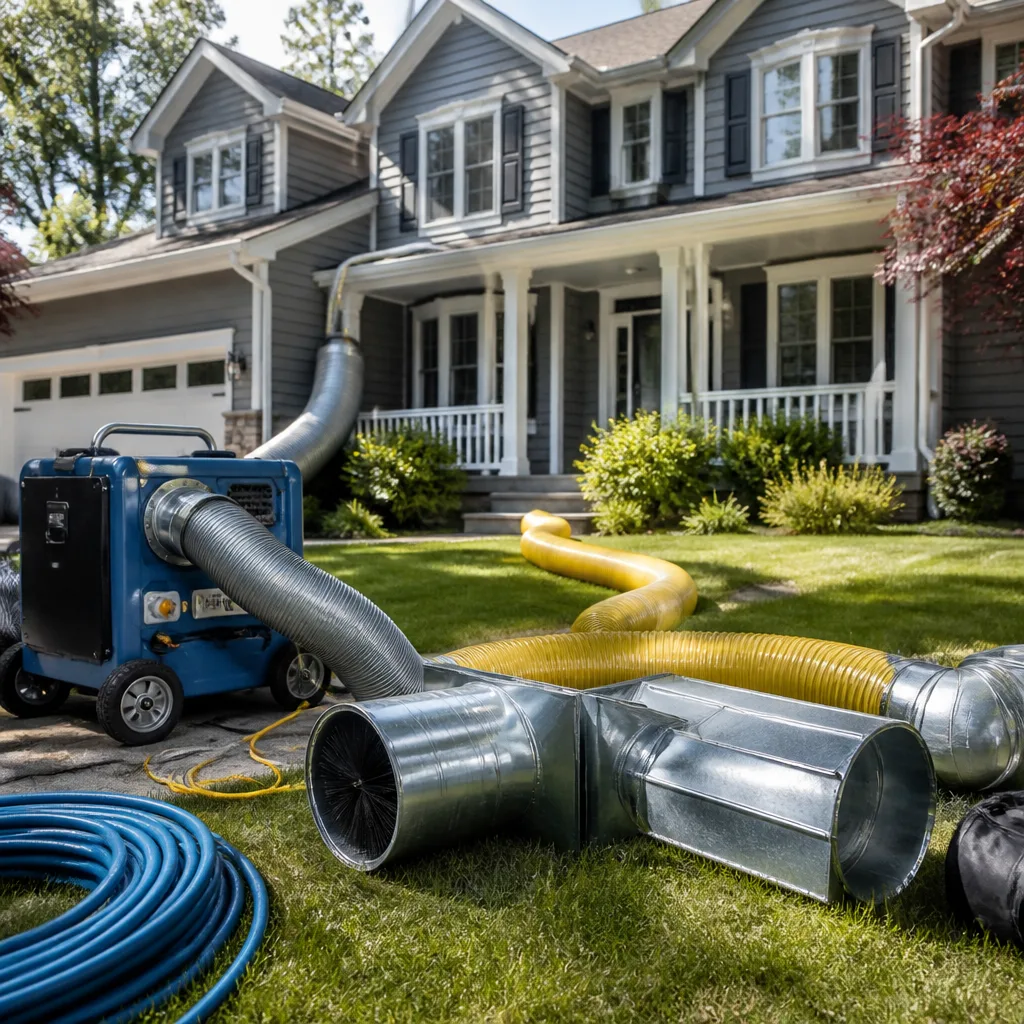 Whole-home duct cleaning
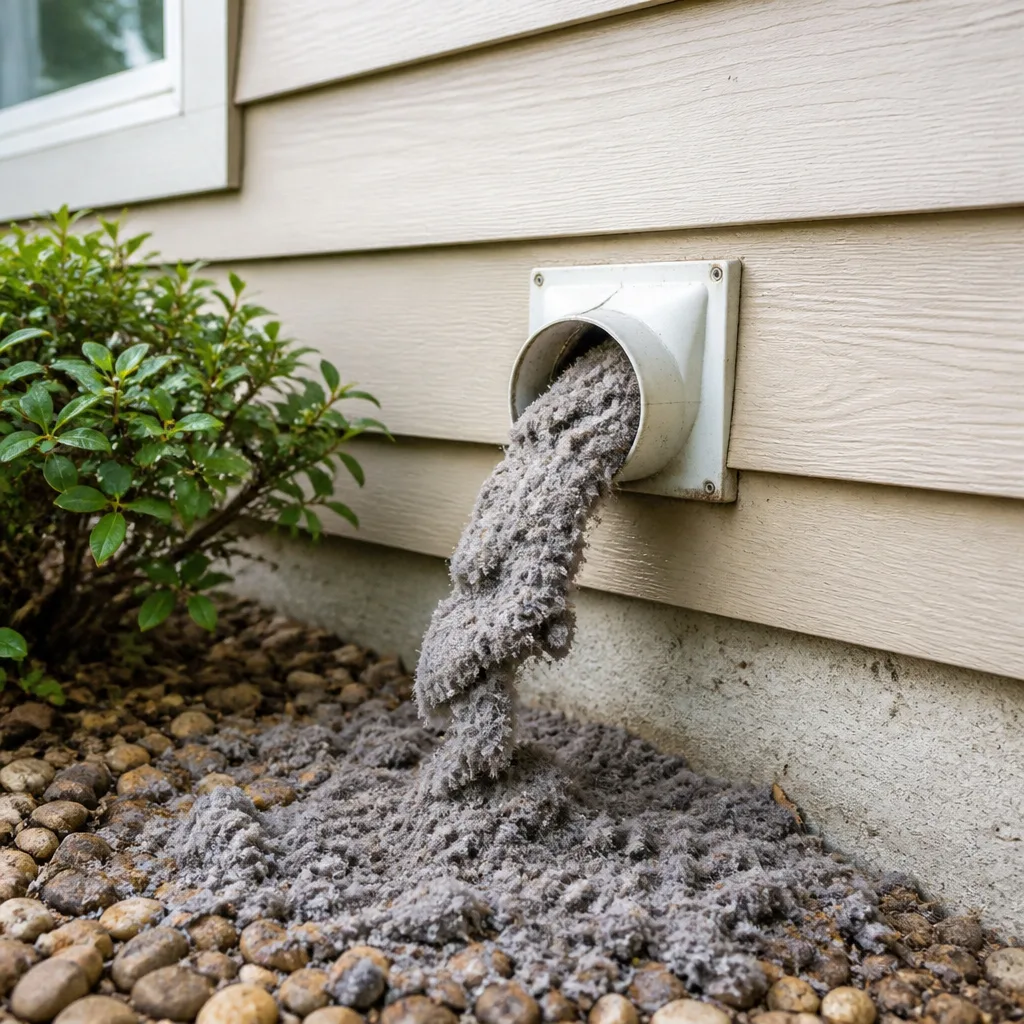 Dryer vent cleaning
 Camera inspection
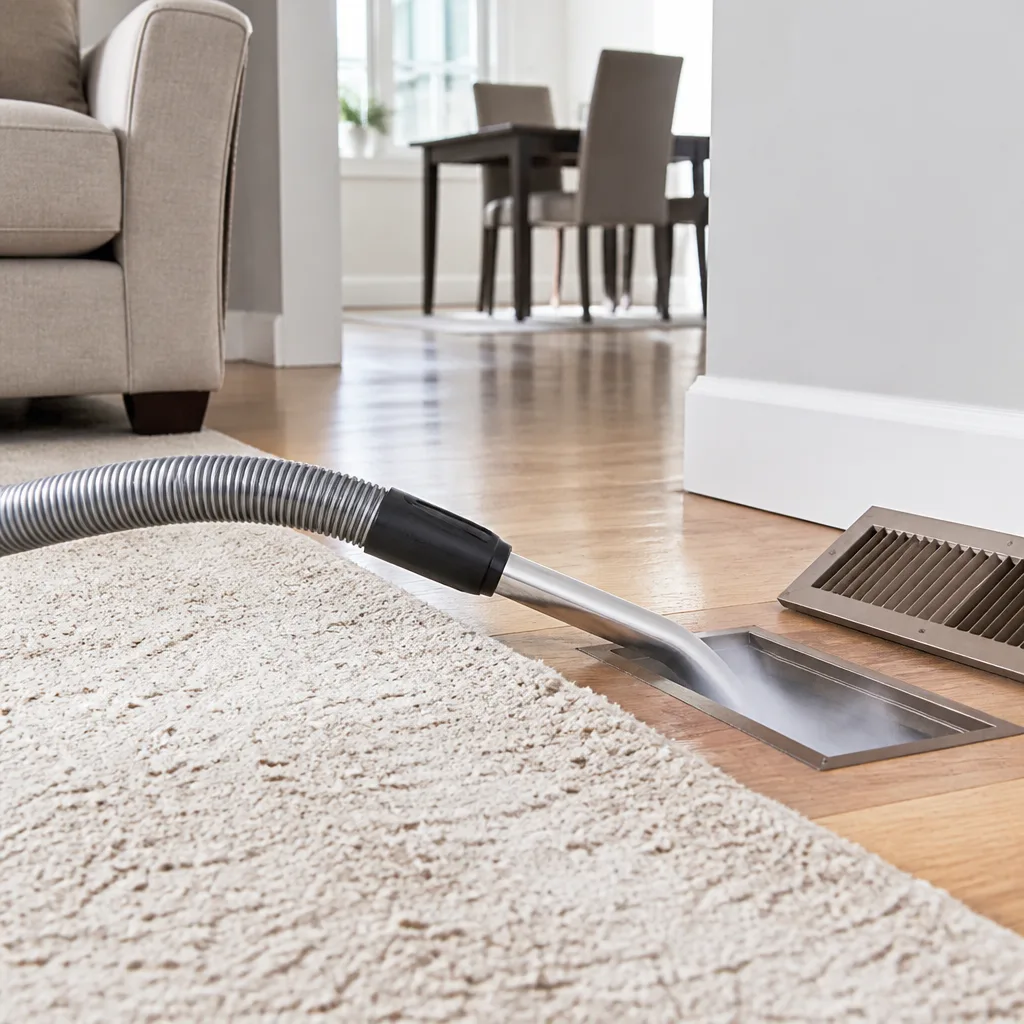 Sanitizing & deodorizing
Whole-system duct and dryer vent check with before-and-after photos - you see exactly what came out of your vents
That "$99 whole-house special" is a bait ad - the real number appears once they are in your hallway, or the "clean" is a shop-vac at the register. We photograph the inside of your ducts before and after instead.
Air Duct Cleaning Emergency Preparedness Guide for Federal Way Homes
Most homeowners who think their ducts need “emergency cleaning” are chasing the wrong problem. The dust blowing out of the supply vents during a windstorm, the musty smell after a week of rain, the fine grit settling on the coffee table – these usually aren’t signs of a sudden disaster. They’re signs of a system that’s been leaking, pulling in outdoor air, or running a clogged filter for a long stretch. What actually counts as a duct emergency is narrower than people assume, and understanding that line changes how you prepare.
This guide walks Federal Way homeowners through what a real duct emergency looks like, how to prepare for one, how to tell the harmless from the urgent, and what the process of a proper cleaning involves. You’ll learn the difference between a filter change, a scheduled cleaning, and the rare situation that needs a call the same day.
Quick Answer
A true air duct emergency in Federal Way means a health or fire hazard, such as a dryer vent packed with lint, a duct system drawing in mold or standing water after a leak, or a rodent infestation inside the ductwork. Routine dust, musty odor, or a system that hasn’t been cleaned in years is not an emergency – it’s a scheduled job. Prepare by knowing your system’s layout, replacing filters on a set schedule, keeping the dryer vent clear, and having the number of a professional duct cleaning company on hand before you need one.
Styles & brands we work with
- Whole-home duct cleaning
- Dryer vent cleaning
- Camera inspection
- Sanitizing & deodorizing
Table of Contents
- What Actually Counts as a Duct Emergency?
- Why Federal Way Homes Face Particular Duct Problems
- How Do You Prepare Your Home Before an Emergency?
- What Are the Warning Signs You Shouldn’t Ignore?
- Why the Dryer Vent Is the Real Emergency Risk
- What a Proper Emergency Response Looks Like
- How Do You Recover After a Flood, Fire, or Renovation?
- How Do You Build Long-Term Protection Into the System?
What Actually Counts as a Duct Emergency?
A duct emergency is any situation where the air moving through your home carries a genuine hazard, or where the duct system itself becomes a fire risk. That’s a shorter list than most people expect. A house that smells faintly musty when the heat kicks on is a maintenance call. A dryer that takes two cycles to dry a load and leaves the utility room hot and humid is a genuine fire risk and needs attention now.
Here’s how we sort the calls we get. The categories below are the ones that qualify for urgent dispatch:
- Dryer vent lint accumulation: lint packed against the heat source or blocking the exhaust path is a fire risk. The dryer vent is the single most important duct in the house to keep clear.
- Water intrusion into ductwork: a roof leak, a plumbing failure, or a crawlspace flood that soaks insulation or ductboard creates a mold-growth environment inside the system. Running the system spreads that.
- Rodent or pest infestation: droppings and nesting material inside the ductwork pose a health risk once the system starts moving air.
- Post-fire smoke residue: after a kitchen or house fire, soot settles in the ducts and keeps recirculating until the system is cleaned and treated.
- Post-renovation heavy debris: drywall dust, sawdust, and construction grit pulled into the return ducts can clog a blower and stress the HVAC motor.
- Visible mold growth: confirmed mold inside the ducts, not just a smell, needs professional cleaning and sanitizing.
Everything else – a dusty vent cover, a system that hasn’t been cleaned in five years, a musty smell you can’t trace – falls into scheduled work. Those are still worth doing, but they aren’t emergencies, and rushing them just means you pay for priority response on a job that didn’t need it.
Why Federal Way Homes Face Particular Duct Problems
Federal Way sits in a stretch of the Puget Sound region where the wet season runs long and the air stays damp for months. That has real consequences for a duct system. Humid air finds its way into leaks and gaps around duct joints, especially in crawlspaces and attics. Over time, insulation around the ducts can hold moisture, and any spot where condensation collects becomes a place where microbial growth can start.
Federal Way also has a mix of housing stock that shapes how ducts behave. Neighborhoods like Twin Lakes, Redondo, and the West Campus area include many homes built in the 1970s through the 1990s, when flexible duct and ductboard were common. That material is more prone to sagging, tearing, and joint separation than modern rigid duct, and small separations pull in unfiltered air from crawlspaces and garages. You don’t see them unless someone inspects the system. You just notice the house is dustier than it should be.
The newer construction in Federal Way, particularly infill and townhome projects, often runs tighter building envelopes and more complex duct layouts. That’s good for energy efficiency, but it means the ducts carry a bigger share of the home’s air exchange. If those ducts leak or collect debris, the effect on indoor air is more concentrated.
And then there’s the seasonal pattern. Federal Way summers have been getting warmer, and more homes now run air conditioning through ductwork that was sized for heating only. When a system designed for heat has to handle cooling loads, the return ducts pull harder and any settled debris in the system starts moving. That’s why a lot of Federal Way homeowners notice dust problems in July and August rather than in the winter.
If you’re trying to get a clear picture of what’s happening in your system, air duct cleaning with a proper inspection is the starting point. It shows you what’s actually in the ducts, not what you assume is in there.
How Do You Prepare Your Home Before an Emergency?
Preparedness for a duct emergency comes down to knowing your system and keeping the cheap, easy tasks on a schedule. None of it takes long. The point is that when something does go wrong, you already know what’s where and who to call.
Start with a documented walk-through of your own house. You don’t need special tools for this. You need a notebook and fifteen minutes.
- Locate the main return and supply vents in every room. Note which ones are on the floor and which are in the ceiling. In older Federal Way homes, returns are often undersized, and knowing where they are helps a technician plan the work.
- Find the air handler and filter. Whether it’s in a closet, garage, or attic, write down the filter size printed on the filter frame. Having the right size on hand means you change it when you should.
- Trace the dryer vent path. Find where the vent exits the house. Note how many elbows the run has and how long it is. Long runs with multiple elbows are the ones that clog fastest.
- Set a filter schedule. For most Federal Way homes, every 60 to 90 days works. Homes with pets, allergy sufferers, or heavy dust from nearby construction should change more often.
- Schedule a dryer vent cleaning at least once a year. This is the single most important preventive measure in the whole house. dryer vent cleaning removes the lint that accumulates in the run itself, past the lint trap.
- Keep the professional phone number in your contacts. Add it before you need it. Federal Way Air Duct Cleaning Co answers the phone around the clock, and having the number saved means you’re not searching when something goes wrong.
If you want to go one step further, have a technician do a baseline inspection and cleaning once. That record becomes your reference point for future comparisons. It tells you how fast the system collects debris in a Federal Way climate and whether you have any duct sealing issues that would be worth addressing.
What Are the Warning Signs You Shouldn’t Ignore?
The signs that matter are the ones suggesting something has changed inside the system, not the ones you’d notice from a normal dirty vent cover. A dusty return grille after six months is normal. Black dust around the register after a few weeks is not.
Here’s a quick reference for the signals worth paying attention to, and what each one usually means:
- Visible black dust accumulating quickly around supply vents: usually indicates the blower or return is pulling from a dirty source like a crawlspace or garage.
- A musty or “wet basement” smell when the HVAC runs: points to moisture in the ducts, box joints, or insulation – a precursor to mold growth.
- Dryer taking longer and getting hotter: classic sign of a clogged vent. This one qualifies as urgent.
- Visible lint behind or under the dryer: either the vent is disconnected or lint is escaping the run. Both need to be checked.
- Poor airflow from some vents and strong airflow from others: often a separated duct joint or a crushed flex run.
- Increased allergy symptoms indoors: could be filter, could be duct debris, could be mold. Worth a professional look.
- Any sign of water staining on ductwork or around vent openings: needs investigation before the system is used.
If you notice two or more of these at the same time, that’s a good reason to get the system looked at. One on its own is usually the start of a conversation, not a reason to panic.
Why the Dryer Vent Is the Real Emergency Risk
When we talk about duct emergencies with Federal Way homeowners, the dryer vent gets more attention than any other part of the system, and that’s correct. Lint is highly flammable. A vent run that’s partially blocked lets lint pack against the back of the dryer where the heat source sits. That’s a fire risk that builds over months, quietly.
The reason it matters more in Federal Way than people realize is the housing mix. Many older homes in the area have dryers pushed against exterior walls with a short, direct vent run. Those tend to clog slower. But homes with the laundry on the second floor, or with the dryer in an interior closet, often have long vent runs with several elbows. Each elbow slows airflow. A slow vent run can accumulate enough lint to be a real problem much faster than the homeowner expects.
What you can do about it:
- Clean the lint trap before every load. That’s not optional, it’s a basic step.
- Check the exterior vent flap periodically to make sure it opens fully when the dryer runs and isn’t caked with lint.
- Look at the flexible transition duct behind the dryer. If it’s crushed, kinked, or made from the foil-style material that tears easily, replace it with a rigid or semi-rigid metal duct.
- Have the full vent run cleaned professionally at least once a year, and twice a year if your dryer gets heavy use.
- Never run the dryer while you’re asleep or away from the house. This is a safety habit that applies to every Federal Way home with a dryer.
When the vent is cleaned with professional equipment, the technician can see the full length of the run and confirm it’s clear. That confirmation matters. You can’t spot a packed lint pocket from inside the laundry room.
What a Proper Emergency Response Looks Like
A proper response starts before any equipment comes in. The technician should be talking to you about what you noticed, when it started, and what the house has been through recently. That conversation shapes everything that follows, and skipping it is how duct work gets done badly.
Here is the sequence a real emergency response should follow:
- Source check. Before cleaning, identify what’s causing the problem. Water intrusion, pest activity, a disconnected vent – the cleaning plan has to address the source, not just the symptom.
- System inspection. Visual inspection of the air handler, coil, return plenum, main trunk lines, and branch runs. A camera is often used to see inside runs that aren’t accessible otherwise.
- Containment if needed. For mold or pest situations, the work area gets sealed and negative pressure is used so debris doesn’t migrate into living space.
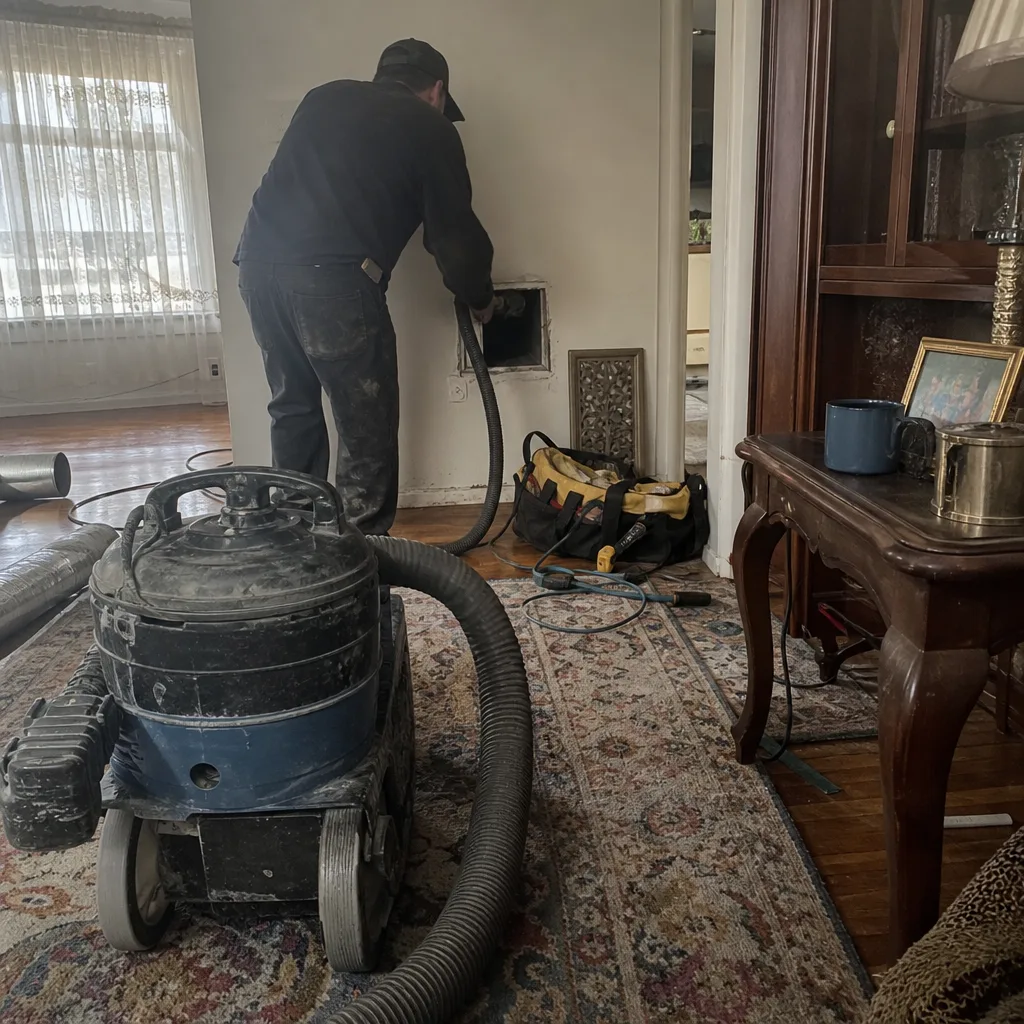
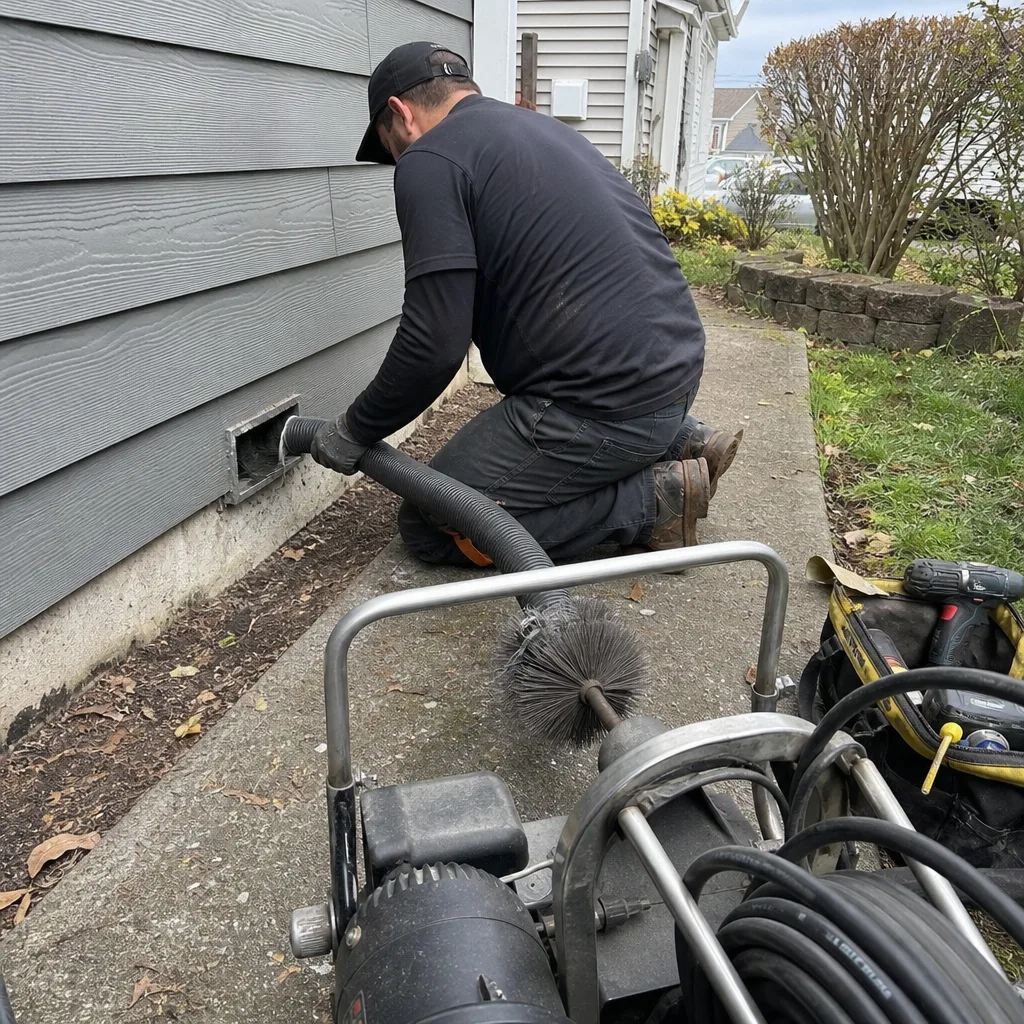
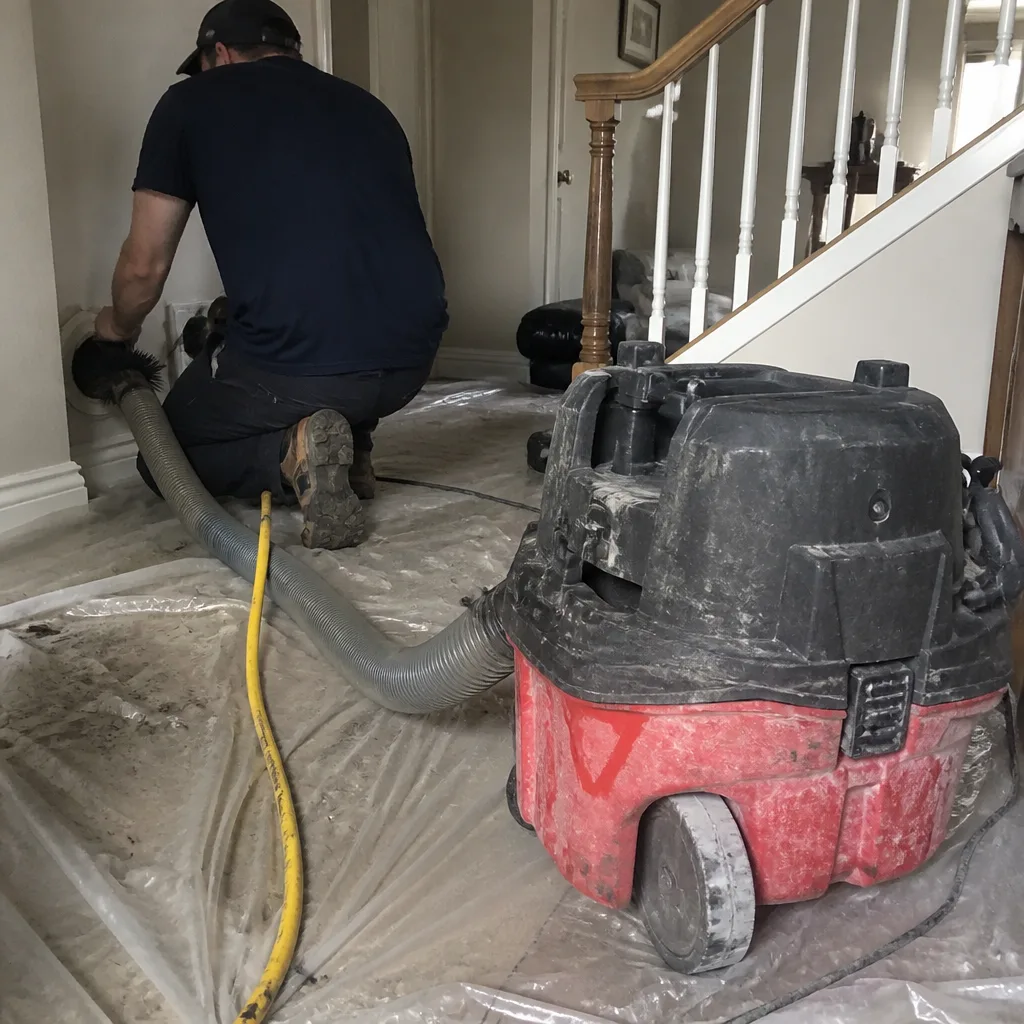
- Mechanical cleaning with agitation and extraction. Professional-grade equipment like Rotobrush and Nikro systems agitates the debris off the duct walls and extracts it. Shop-vac rigs and brush-only systems don’t achieve the same result on a soiled system.
- Sanitizing where the situation calls for it. For mold or post-flood work, an antimicrobial treatment is applied after cleaning, using Abatement Technologies filtration equipment to keep particles contained.
- Documentation. Before-and-after photos of the duct interior. This is standard practice for professional cleaning and gives you a record of the work.
- Repair recommendations. If the inspection turns up separated joints, crushed runs, or gaps in the duct system, those get identified. Cleaning alone doesn’t fix a leaky duct. Repair and sealing do.
The pieces link together because cleaning a duct that has leaks just means it gets dirty again. Cleaning a duct without treating a mold problem means the problem comes back. Cleaning a dryer vent without checking the run length and elbows means you don’t know if the fix will hold. The full-scope approach – cleaning, repair, sealing, sanitizing – is what actually resolves the problem.
How Do You Recover After a Flood, Fire, or Renovation?
The most common emergencies we see in Federal Way come from renovation and water, not from fires. A bathroom or kitchen remodel generates a surprising amount of fine dust, and the return ducts pull that dust into the system from the moment work starts. A water heater failure or a plumbing leak in a crawlspace can soak duct insulation before anyone notices. Both situations call for professional cleaning and, in the water case, sanitizing.
Here’s the recovery sequence we recommend:
- Stop the system during active work. During demolition and rough-in, turn off the HVAC. Set up containment at the return openings if you can.
- Change filters frequently during the project. Every two weeks while dust is active.
- Schedule cleaning after the dust settles but before you finish. The ideal window is after the final sanding and paint, before furniture and rugs go back in.
- For water intrusion, get the system dried and inspected first. Duct cleaning should never be done on a system with active water in it. The water source gets addressed, the system drains and dries, then cleaning.
- For post-fire soot, cleaning needs to include the duct walls, not just loose particles. Soot bonds to surfaces, and agitation-and-extraction equipment is what removes it.
- Sanitizing after mold or soot. An antimicrobial treatment leaves the system cleaner than mechanical cleaning alone.
For a full-system cleaning after renovation or water intrusion, HVAC cleaning includes the air handler and coil, not just the duct runs. The coil collects dust and grows mold in the same way the ducts do, and a duct cleaning that skips it leaves part of the problem behind.
How Do You Build Long-Term Protection Into the System?
Preparedness is partly about being ready for an emergency, but the more useful half is reducing how often you have one. That comes down to the duct system itself. A sealed duct system pulls in less outdoor air, holds less moisture, and collects less debris. Cleaning a leaky system is a recurring cost. Sealing it reduces that cost.
Duct repair and sealing closes the gaps, separations, and disconnected joints that pull in unfiltered air from crawlspaces, garages, and attics. On a Federal Way home, that means less of the outdoor dampness getting into the system, and fewer opportunities for the kind of microbial growth that turns a scheduled cleaning into an urgent one.
The other long-term piece is air quality equipment. Whole-home systems from Honeywell and Aprilaire handle filtration, humidity control, and fresh-air ventilation. Once the ducts are clean and sealed, adding one of these gives you something to maintain rather than something to react to. It’s a different relationship with the system. You’re not waiting for a smell or a dust problem to tell you something’s wrong; you’re checking a filter and a gauge on a schedule. Federal Way Air Duct Cleaning Co sells and services these systems, so the same technician who cleans the ducts can also service the air quality hardware.
Combined with annual dryer vent cleaning, a filter schedule, and a sealed duct system, that’s a home that’s genuinely prepared. Not because it has a crisis plan, but because the daily maintenance makes a crisis less likely in the first place. When something does happen, you know your system, you know your service history, and you know who to call.
Common Mistakes to Avoid
- Treating a dusty vent as an emergency. A dusty vent cover is normal. It accumulates dust because that’s what vents do. Cleaning the vent cover with a damp cloth once a month solves the cosmetic issue; it doesn’t solve the duct issue, and the duct issue is rarely urgent.
- Ignoring a slow dryer. In Federal Way’s older homes with second-floor or interior laundry rooms, vent runs are long and clog fast. A dryer that takes two cycles is telling you something. Getting it checked costs less than a fire.
- Hiring on price alone. Duct cleaning that uses a shop vac and a brush doesn’t clean a duct system. The equipment matters. So does the process.
- Skipping the inspection. Cleaning without inspection misses separated joints, water damage, and pest activity. Those are the real emergencies, and they don’t get solved by a cleaning alone.
- Running the HVAC during renovation. Dust pulled into a return duct during a remodel distributes through the whole house. Turn the system off during heavy dust work and change filters often.
- Not changing filters often enough. In a Federal Way home with pets or heavy dust, 90 days is too long. Set a reminder for 60 days.
- Assuming a clean smell means a clean duct. A deodorizing spray in a vent can mask a mold problem. If the smell returns within a week of cleaning, the source wasn’t addressed.
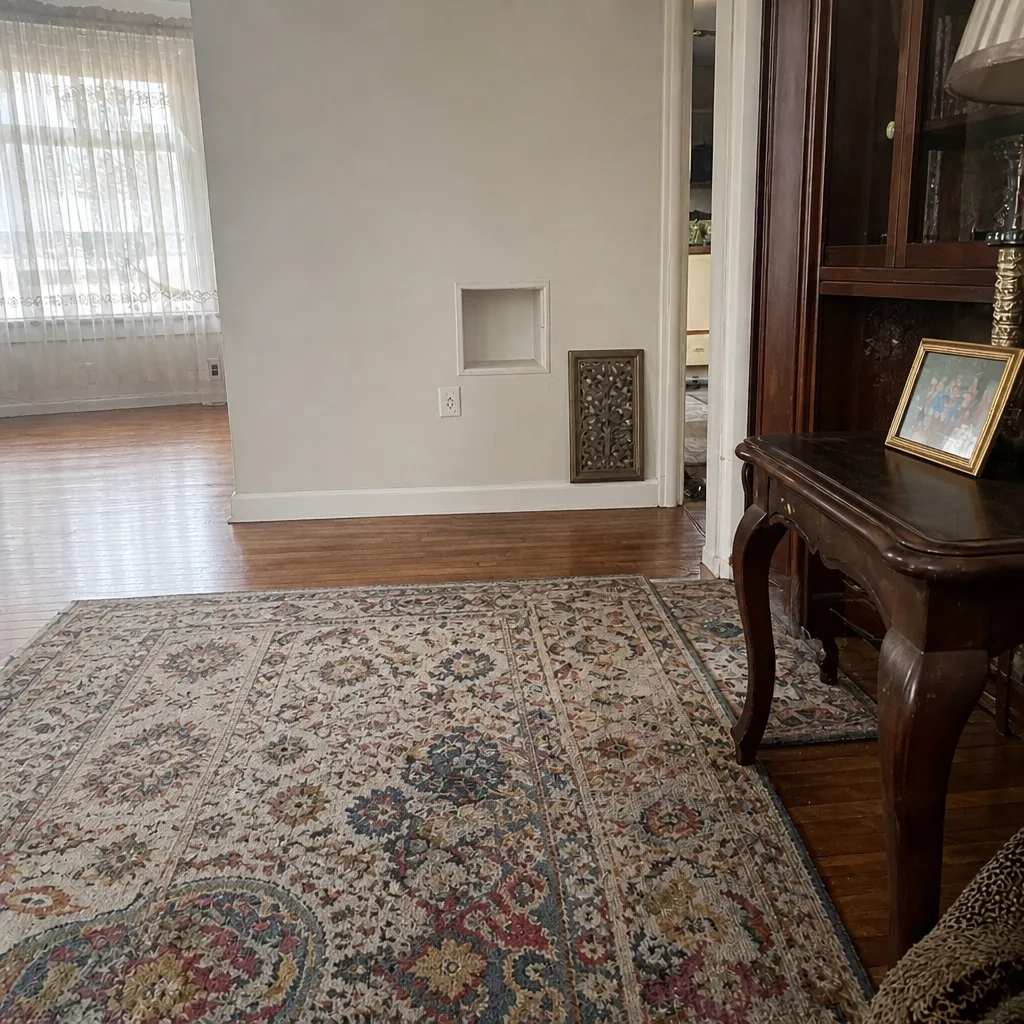
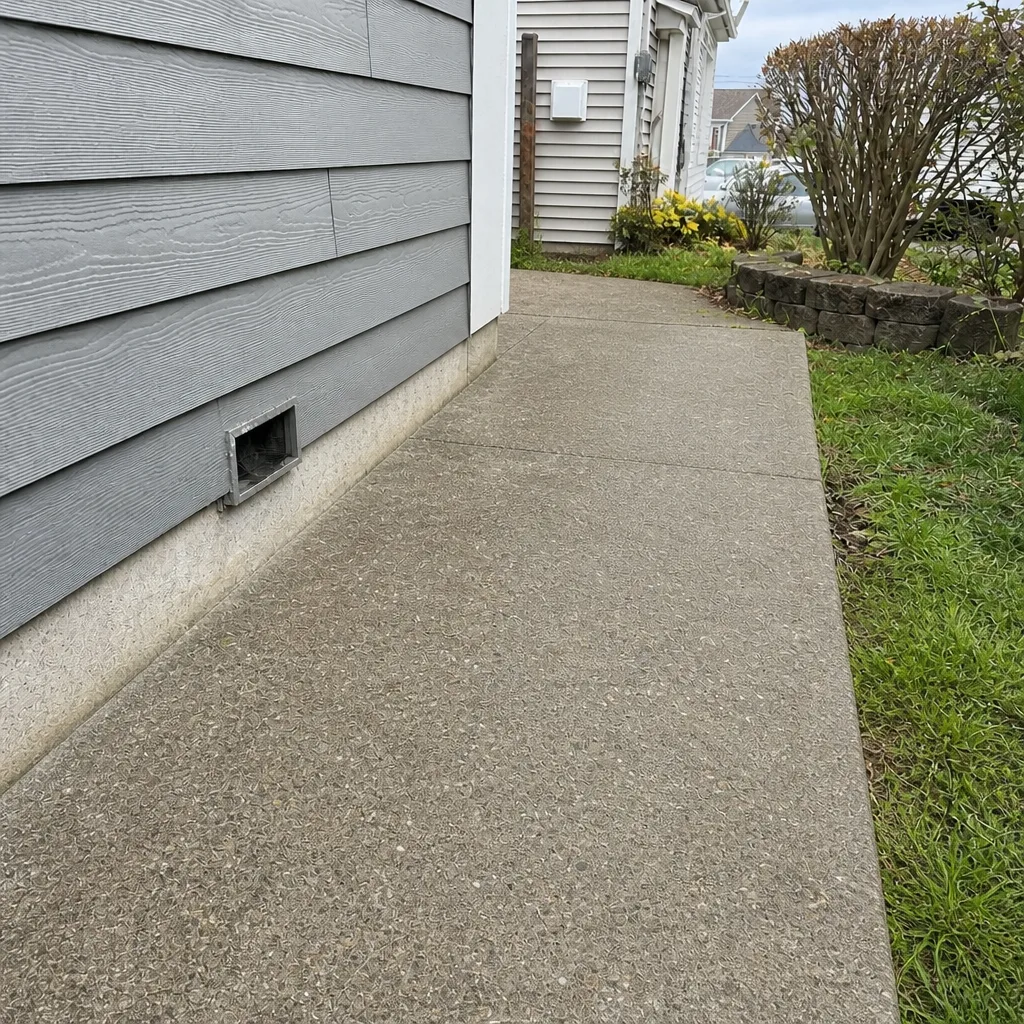
See the difference
 Before
 After
 Before
 After
 Before
 After
When to Call a Professional
Call a professional when you see any of the following: a dryer that runs hot or slow, visible lint outside the dryer exhaust, water staining around a vent, confirmed mold growth inside the ductwork, evidence of rodents in the system, or soot residue after a fire. These situations need equipment and process that a homeowner can’t replicate with a shop vac. Call Professional also when the system hasn’t been inspected in years and you’re not sure of its condition. Federal Way Air Duct Cleaning Co offers free estimates in Federal Way, and we’ll tell you honestly whether the situation is urgent or scheduled work. Call (844) 625-7649. We answer 24/7. Fast dispatch from 7am to 7pm, Sunday through Friday.
Frequently Asked Questions
For most Federal Way homes, a professional cleaning every three to five years is a reasonable baseline, with annual dryer vent cleaning regardless of duct cleaning timing. Homes with pets, allergy sufferers, recent renovation, or a history of water intrusion should clean more often. The right interval depends on the system and the house, and a professional inspection gives you a much more accurate picture than a general rule.
Cost depends on the size of the system, the number of runs, accessibility, and whether sanitizing or repair is included. Most jobs are priced per system rather than per vent, and the written estimate sets the final price. Call (844) 625-7649 for a free estimate on your specific system – it takes a short conversation and gives you a real number.
Low quotes usually reflect limited equipment, no inspection, and no documentation. A shop-vac and a brush won’t agitate and extract the way a Rotobrush or Nikro system does, and without an inspection, hidden problems like water damage or separated joints go unaddressed. Cheap duct cleaning is a surface pass, not a full cleaning, and the difference shows up in what’s left in the system when the technician leaves.
Ask for before-and-after photos of the duct interior. A professional cleaning produces documentation of what was in the system and what it looked like afterward. Federal Way Air Duct Cleaning Co uses before-and-after photos as standard practice, and you should expect the same from any technician you hire.
In most cases, no. A dirty duct is not an immediate health hazard, and the system can run while you schedule the cleaning. The exceptions are situations involving mold, water damage, or pest contamination – in those cases, limit system use until the ducts are inspected and cleaned. If you’re unsure which situation applies, call and describe what you’re seeing.
Yes. A clogged dryer vent is one of the situations we treat as urgent, and we can typically get a technician out the same day within our dispatch window. Call (844) 625-7649 and describe what you’re seeing. We answer 24/7, and fast dispatch runs from 7am to 7pm, Sunday through Friday.
The Bottom Line
Real duct emergencies in Federal Way are narrower than most homeowners assume. Dryer vent lint, water intrusion, pest contamination, visible mold, and post-fire soot are the ones that matter – everything else is scheduled maintenance, and treating routine dust like an emergency just costs you money. Prepare by knowing your system, changing filters on a schedule, cleaning the dryer vent annually, and having the number saved before you need it. Build long-term protection into the system with duct repair and sealing plus whole-home air quality equipment. When something does go wrong, Federal Way Air Duct Cleaning Co is a call away with professional-grade equipment and a documented process. Call (844) 625-7649 for a free estimate. We answer 24/7. Fast dispatch from 7am to 7pm, Sunday through Friday.
Written by the team at Federal Way Air Duct Cleaning Co.