
Last updated November 25, 2026
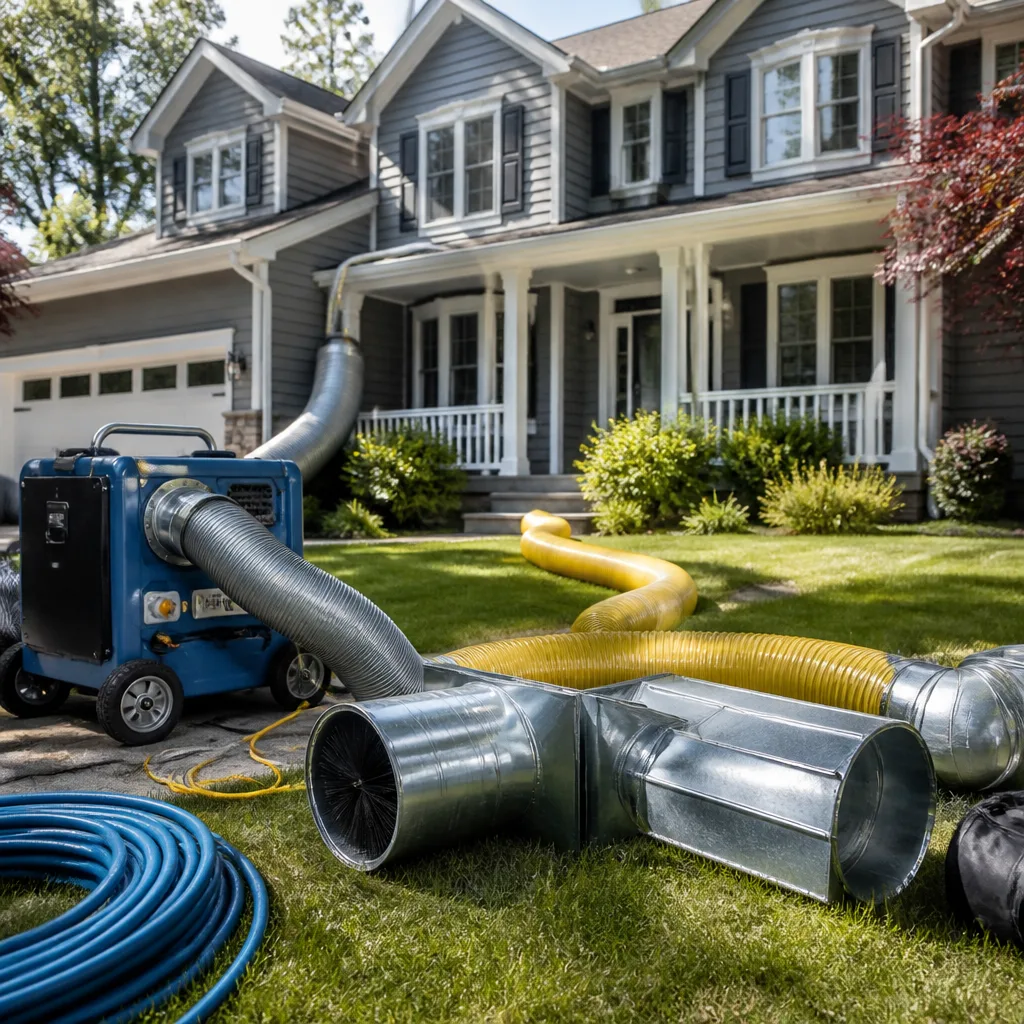 Whole-home duct cleaning
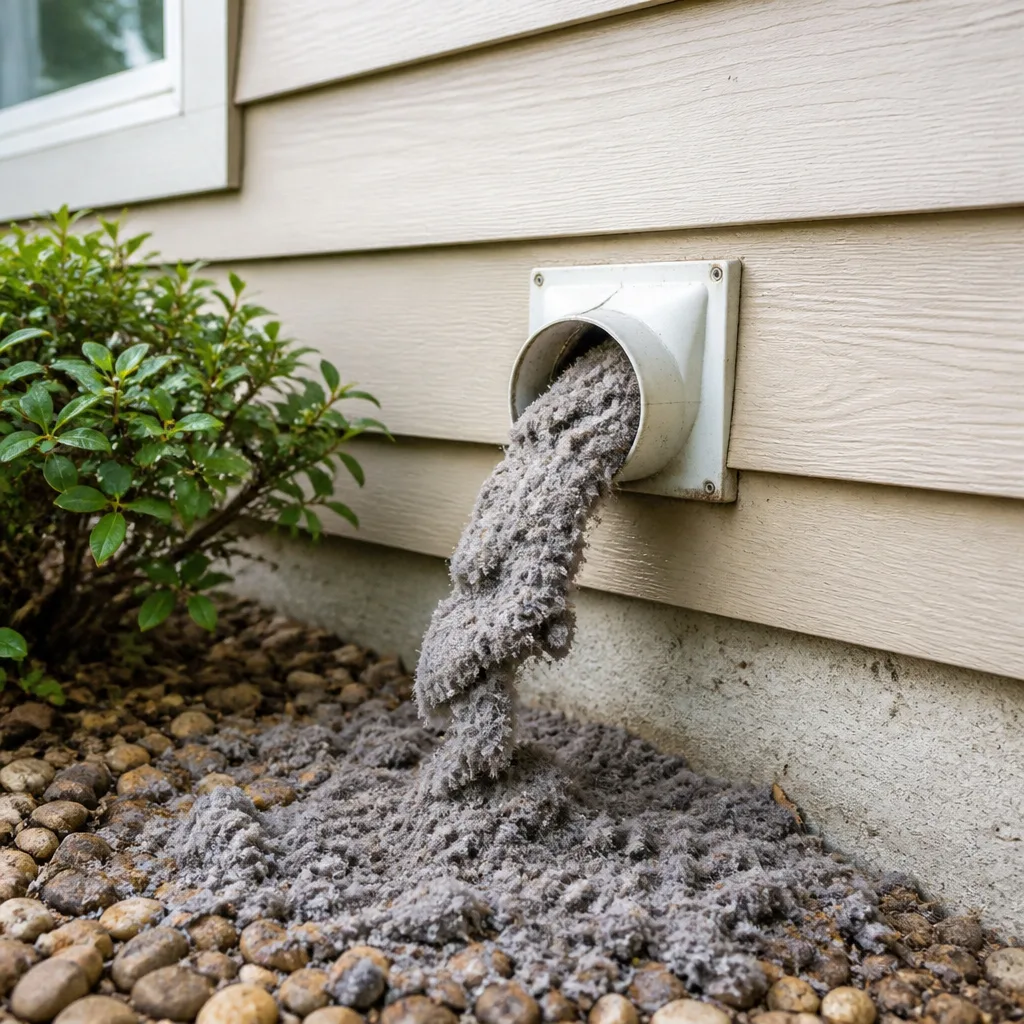 Dryer vent cleaning
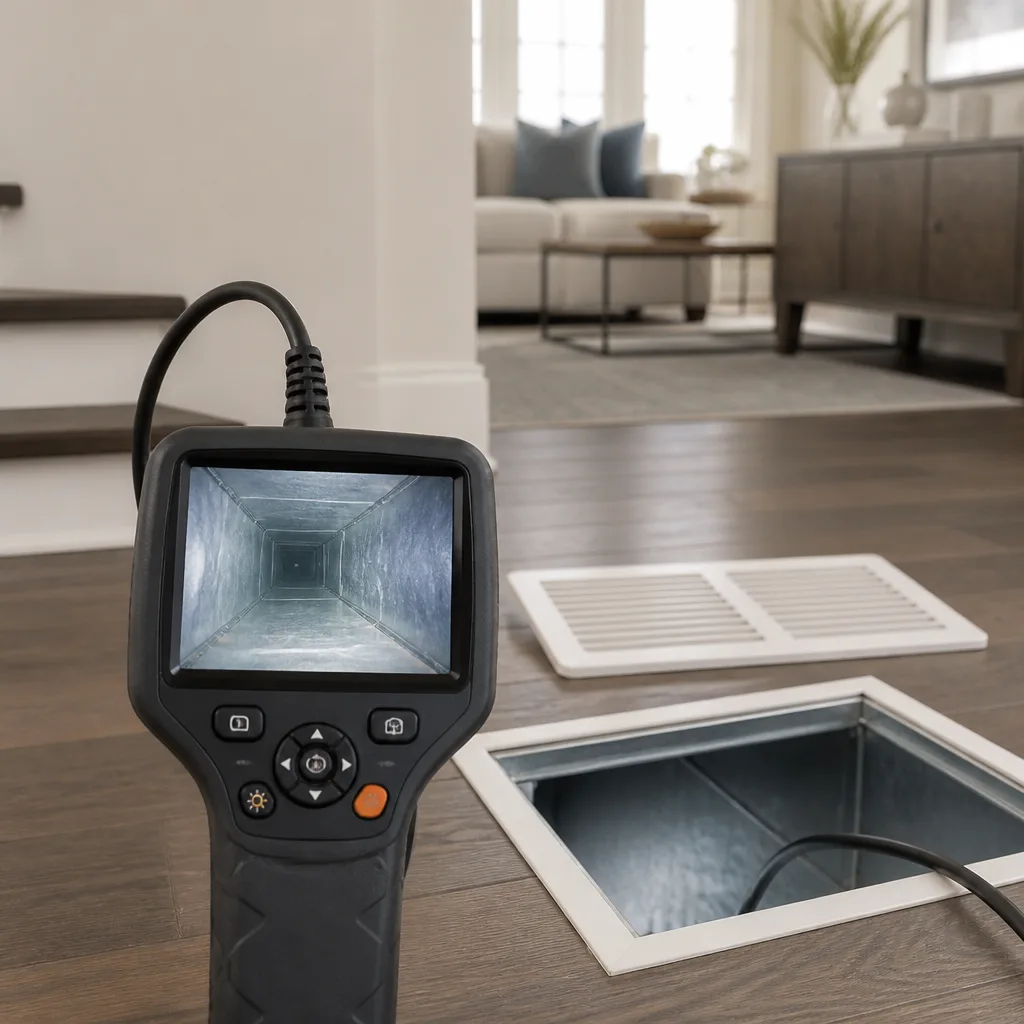 Camera inspection
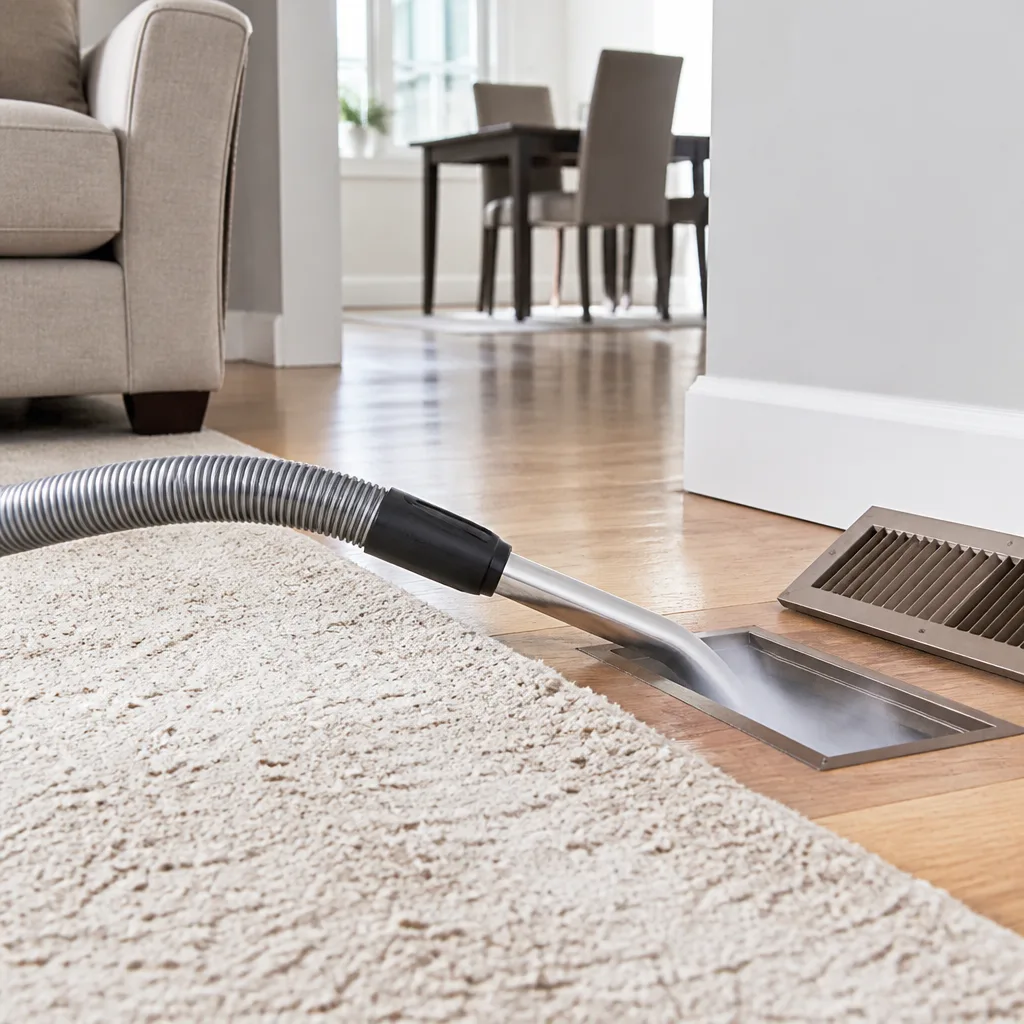 Sanitizing & deodorizing
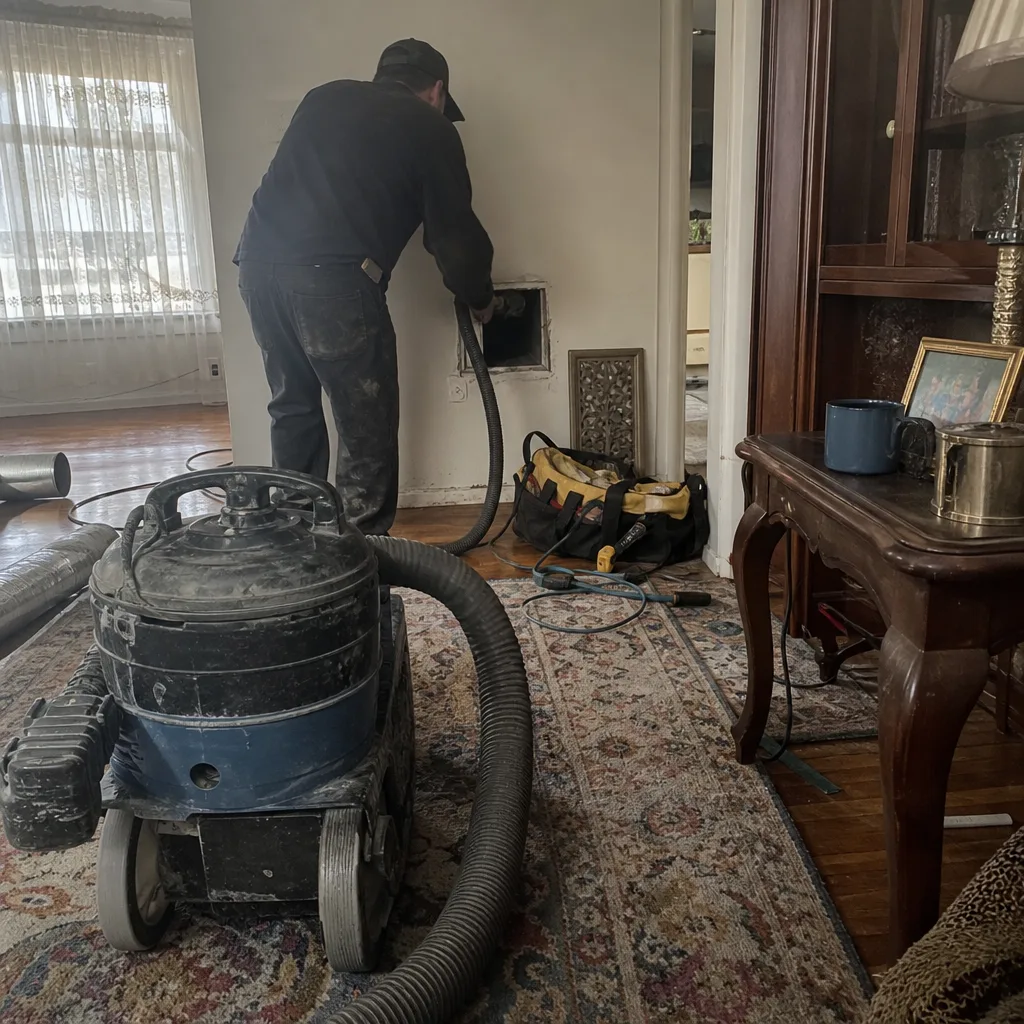
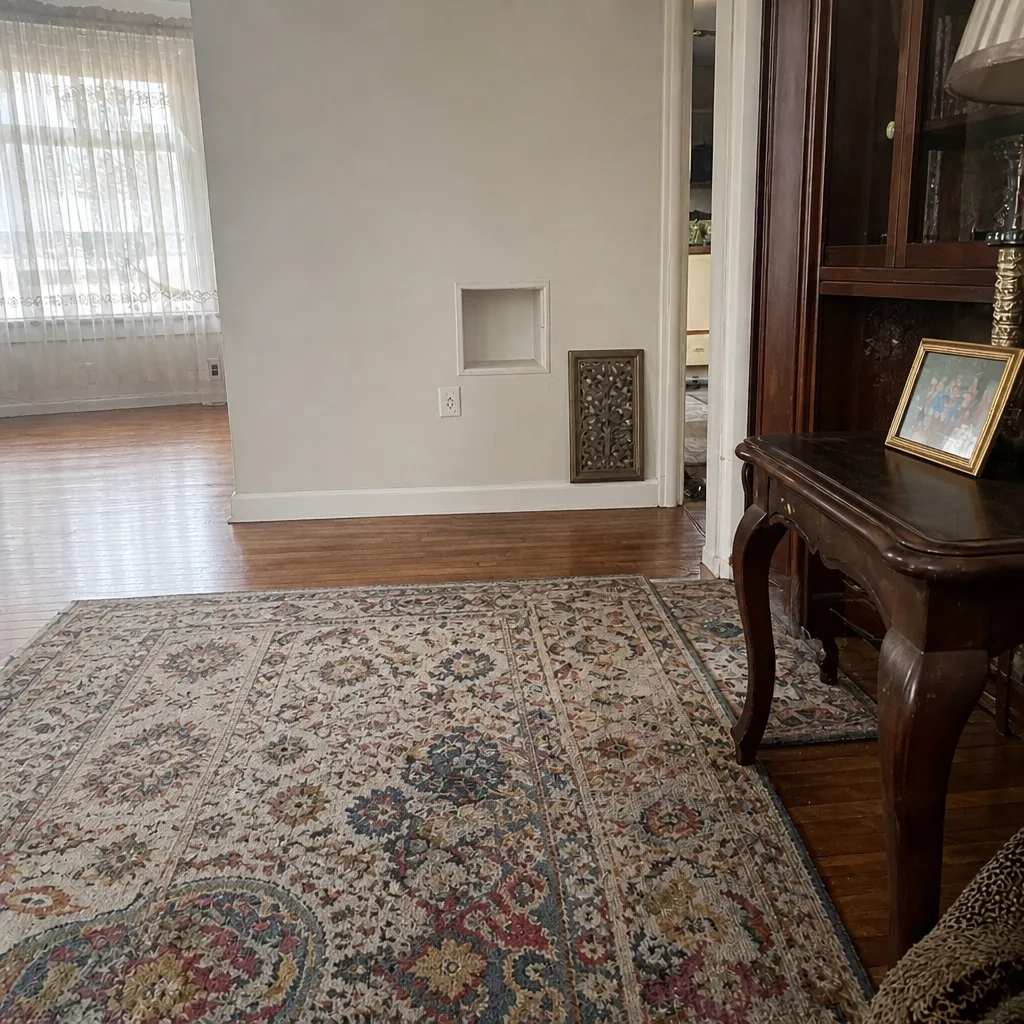
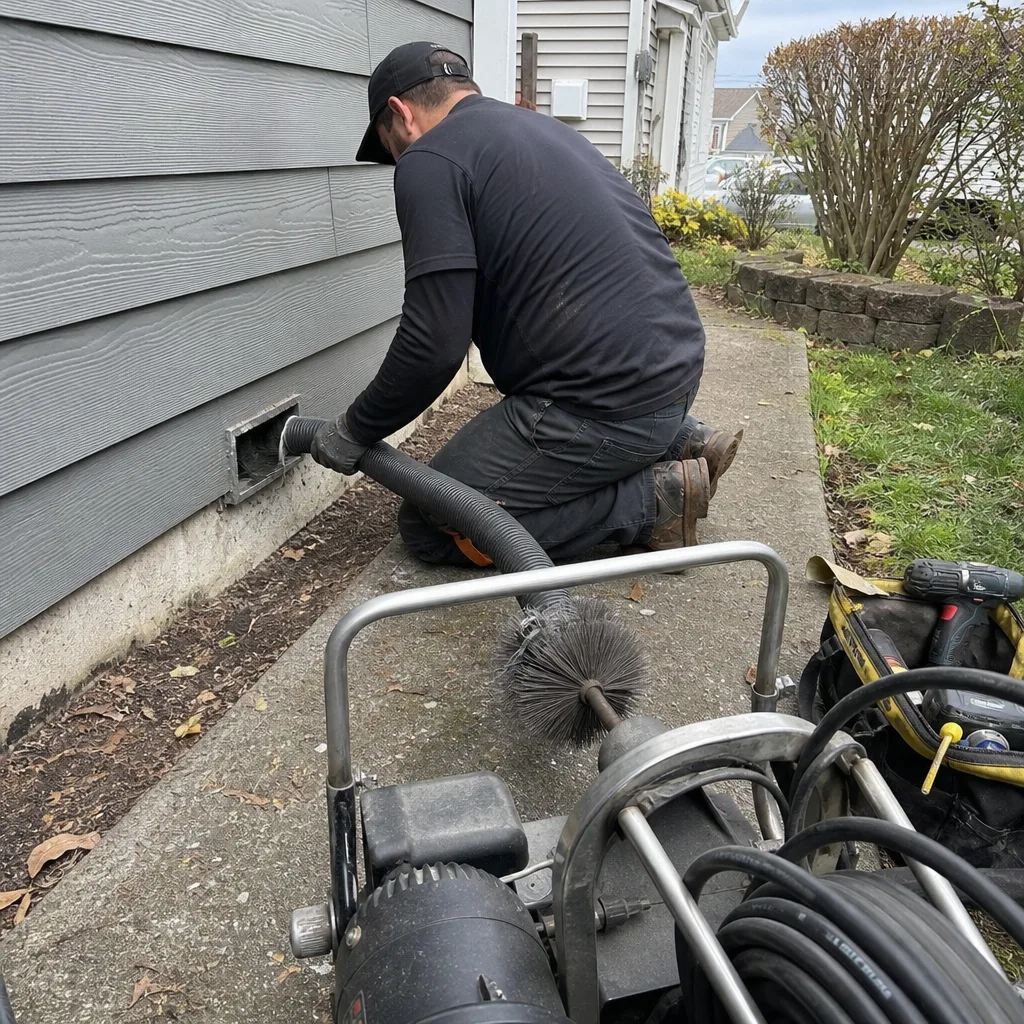
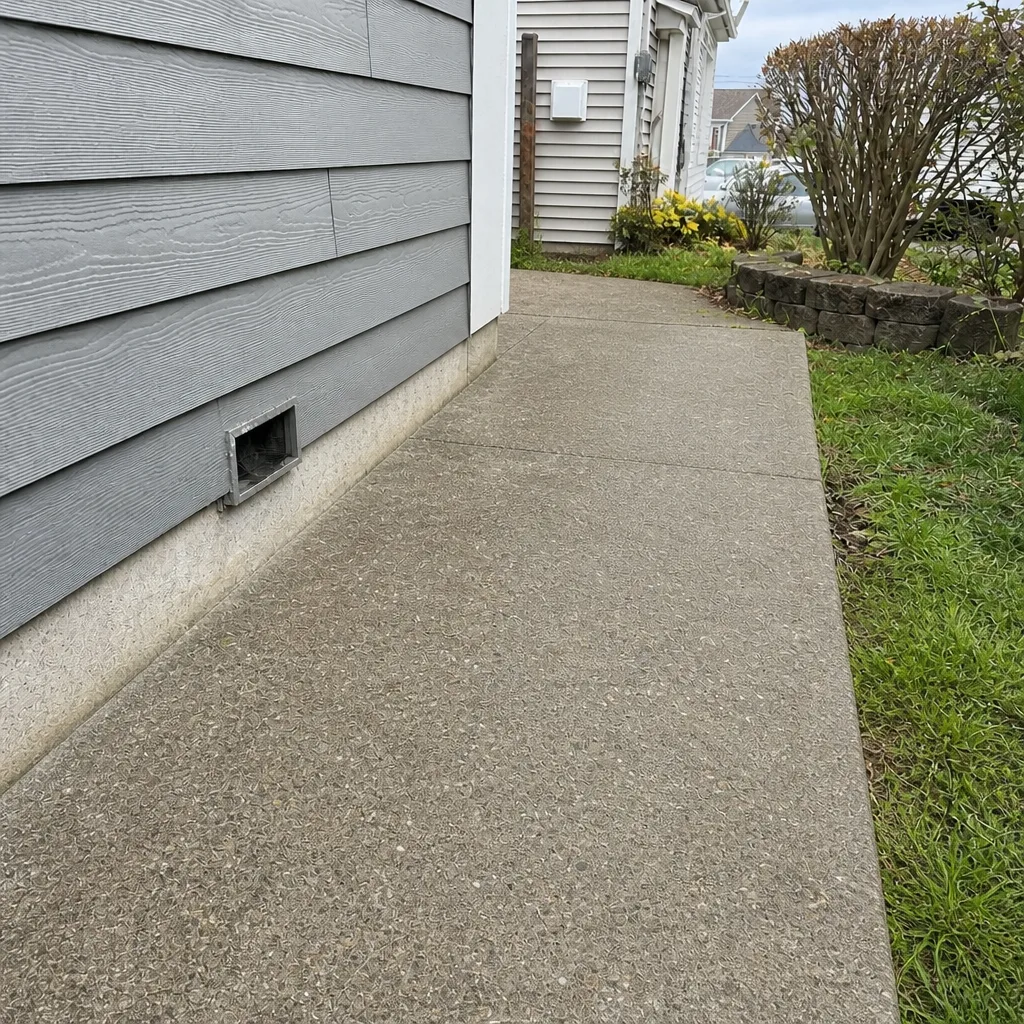
Whole-system duct and dryer vent check with before-and-after photos - you see exactly what came out of your vents
That "$99 whole-house special" is a bait ad - the real number appears once they are in your hallway, or the "clean" is a shop-vac at the register. We photograph the inside of your ducts before and after instead.
Air Duct Cleaning Warning Signs: A Federal Way Homeowner’s Reference Guide
Most homeowners find out their ducts are in trouble only after a component fails, and by then the evidence has usually been blamed on something else for months. The furnace gets the blame for weak airflow. The crawlspace gets the blame for a musty smell in the hallway. Pollen season gets the blame for a spring of congestion that clears up when the house is empty. The duct system is the quiet suspect in all three, and it rarely announces itself.
This guide maps each warning sign to the mechanical cause actually behind it, so you can tell a duct problem from an equipment problem before you spend money on the wrong fix. It’s written for Federal Way homeowners, where the climate and the housing give the signs a particular shape.
Quick Answer
The most reliable air duct warning signs are a rising energy bill with no change in usage, rooms that never reach the temperature they should, discoloration around supply and return registers, musty or rodent-like odors that come and go with the HVAC cycle, and respiratory or irritation symptoms that worsen inside the house and ease elsewhere. Any one of them warrants an inspection. Two or more together usually point to an actual duct defect, not a coincidence.
Styles & brands we work with
- Whole-home duct cleaning
- Dryer vent cleaning
- Camera inspection
- Sanitizing & deodorizing
Table of Contents
- Energy Bill Anomalies That Point to Your Ducts
- Airflow Imbalance Between Rooms
- Odor Patterns and What Each One Means
- Visual Signs You Can Check Without Tools
- Symptom Clusters in Household Members
- The Dryer Vent Warning Signs Homeowners Miss
- Why Federal Way Homes Show These Signs Differently
- What a Real Duct Inspection Looks Like
Energy Bill Anomalies That Point to Your Ducts
A 15-20% increase in your heating bill with no change in usage or rate is one of the most reliable indicators of duct leakage or blockage. Almost no homeowner connects that number to the duct system, because the bill lands in the mailbox and the ducts are hidden in the crawlspace and the walls. The leap from one to the other takes someone telling you to look.
The first job is isolating the cause. A bill jump can come from three broad places: the equipment itself, the building envelope, or the delivery system. Here’s how to sort them.
- Compare the same months year over year, not month over month. A cold snap makes a bad comparison. December against December holds weather roughly constant.
- Check the rate before the usage. Utilities change rate structures. If the rate is flat and the usage climbed, the house is delivering heat less efficiently than it used to.
- Ask what else changed. A new appliance, a new person working from home, a space heater in the garage. Rule these out first.
- Look for a companion signal. A leaky or blocked return usually shows up with weak airflow somewhere in the house, or with a room that runs hot while another runs cold.
When the usage climbed and the equipment is fine, a Duct Leakage test or a static pressure measurement will show what’s escaping before it reaches your rooms. In our experience, the ducts run through unconditioned crawlspaces in most Federal Way homes, which means every gap is heating the crawlspace rather than the living room. That’s the quiet cost of a leak. It doesn’t show up as a dramatic failure; it shows up as a bill that creeps.
Airflow Imbalance Between Rooms
Uneven heating or cooling is the duct warning sign homeowners most often blame on the thermostat or zone controls, and those are usually innocent. A thermostat holds one setpoint for the whole system. Zone controllers add hardware on top; they don’t fix a duct that’s crunched in the attic.
The question to ask is whether the weak room is consistently weak or only weak in certain weather. Consistent weakness usually traces to a duct defect. Inconsistent weakness is more often a balancing or system design issue.
- One room always cold, the rest fine: look for a kinked flex duct, a closed damper, or a run that got crushed against a joint during construction.
- Whole floor weak, other floor strong: the trunk line feeding that floor may be undersized, or a duct has separated at a fitting.
- Weak airflow everywhere: a clogged filter, a failing blower, or a collapsed return. The filter is the first thing to check.
- Airflow starts strong, fades over the run: the system is losing pressure somewhere between the air handler and the register.
Federal Way has a lot of split-level and two-story homes built in the 1970s through 1990s, and many use a flex duct layout in the attic or crawlspace. Flex duct sags over time. When it sags, it narrows. When it narrows, the far rooms lose. If you can walk into your crawlspace or attic and see a duct with an obvious low point, that’s your weak bedroom.
Before calling anyone, try the cheap test. Close the registers in the rooms that are too warm for one day and see whether the cold room improves. If it does, the system is struggling to deliver air, not just distribute it. That points to air duct cleaning or duct repair and sealing, not a new thermostat.
Odor Patterns and What Each One Means
Odors are the most diagnostic duct warning sign and the most misinterpreted. Each smell has a mechanical cause, and the timing of when you notice it narrows the list quickly.
The key variable is when the odor appears. Does it start when the system turns on? Does it linger after the system shuts off? Does it come and go with the weather? Below is how each pattern usually breaks down.
- Musty smell that starts when the HVAC kicks on and fades when it stops: likely microbial growth on the evaporator coil or the inside of the duct lining. Warm, humid air on a cold coil grows things. The smell rides the airstream. This is common in Federal Way because our winters are damp and the system cycles between heat and off, leaving moisture in the cabinet.
- Sharp, dusty smell on first heat of the season: ordinary dust burn-off. It fades within an hour and isn’t a duct contamination sign. Only if it persists across the whole season does it point to a real accumulation.
- Urine-like or ammonia smell: rodent activity inside ductwork. Mice love a warm duct run. Rodent waste on the sheet metal is a contamination issue, not just a nuisance. This needs a professional response, because cleaning it without addressing the entry path and sanitizing properly just spreads the problem.
- Stale or cigarette-like smell that isn’t from anyone smoking: often air pulled in through a leaky return near a garage or crawlspace. The system is drawing contaminated air into the airstream.
- Sweet or chemical smell: possible refrigerant or combustion issue. Stop using the system and get a technician out; this one is a safety matter, not a cleaning job.
If the odor pattern matches the first, second, or third item, professional cleaning with proper agitation and extraction is the right step. Our team uses Rotobrush and Nikro equipment for exactly this reason: the systems are built to agitate debris off the surface and extract it, which is what it takes to remove contamination rather than just knock it loose. Sanitizing with Abatement Technologies equipment addresses microbial growth beyond what standard cleaning can reach.
Visual Signs You Can Check Without Tools
You don’t need a meter to spot several warning signs. A flashlight and twenty minutes will do. Here’s what to look for, room by room and then in the mechanical spaces.
- Discoloration around registers. A dark ring or soot streak on the wall or ceiling around a supply register usually means dirty air is escaping the fitting before it enters the room. The seal has failed.
- Streaking on the grille. Vertical dirt lines across the return grille show the air is dirty and the filter isn’t catching it. The filter may be undersized, overdue, or bypassing.
- Lint buildup in the return. A visible film of lint on the return plenum is accumulation, not normal dust.
- Sagging flex duct in the crawlspace or attic. Walk the mechanical space with a flashlight. A duct that’s drooping between supports is losing volume. A duct that’s separated at a fitting is leaking.
- Tape or mastic peeling at joints. Old duct tape dries and fails. If it’s lifting from a joint, that joint is open.
- Pest activity. Droppings, nesting material, or chew marks in the crawlspace near the ducts. Where there’s nesting, there’s a pathway in.
These visual clues tell you whether to book an inspection now or wait. The ones that warrant a call rather than a note are pest activity, active separation at a fitting, and discoloration spreading past one register. Any of the three suggests the issue is growing. For Federal Way homeowners, the crawlspace is the room that matters most here. Take a look after a rainy stretch when you’re likely to notice something.
Symptom Clusters in Household Members
This is the section that requires the most care, because vague health claims do real damage. The point isn’t that dirty ducts cause illness. The point is that when symptoms cluster in a specific pattern, the pattern itself is diagnostic.
The EPA and ACGIH source material on indoor air quality treats duct contamination as one of several contributors to indoor particulate and biological exposure. The relevant physical fact is that a duct system circulates the same air across the same surfaces repeatedly, and whatever accumulates on those surfaces has a chance to re-enter the airstream on every cycle. Household members breathe that airstream more than any other air in their day.
What a duct-related symptom cluster tends to look like:
- Symptoms worsen at home and improve when the person is out of the house for a full day.
- Symptoms track the HVAC cycle: worse when the system runs, better in shoulder seasons when it doesn’t.
- Multiple household members with the same pattern, including guests who stay overnight.
- New or worse symptoms after a renovation, a water event, or a pest problem.
- Congestion, throat irritation, or eye irritation that doesn’t respond to the usual seasonal allergy treatments.
A cluster that matches those points is worth a professional inspection. If it doesn’t match, the cause is probably elsewhere and a duct technician isn’t the right first call. We don’t claim to diagnose medical conditions; what we can do is clean the system properly, address microbial growth, and confirm what was found so your doctor has a clear picture of the indoor environment. For long-term control, we sell and service Honeywell and Aprilaire whole-home air quality systems, and a filtration or humidity solution alongside a clean system makes a measurable difference in the airstream.
The Dryer Vent Warning Signs Homeowners Miss
The dryer vent is the part of the air pathway most often forgotten, and it carries the most direct fire risk in the house. Lint is highly combustible, and every cycle adds to the layer inside the duct. A dryer that takes noticeably longer to dry clothes, or that gets the machine cabinet hot to the touch, is telling you the vent is restricted.
Warning signs to watch:
- Clothes take a full extra cycle to dry, or come out damp at the end of a normal cycle.
- The dryer or the wall behind it is hot to the touch after a load.
- A burning or scorched smell during operation.
- The outdoor vent flap doesn’t open fully when the dryer runs.
- Lint visible around the vent opening or accumulating behind the dryer.
Any of those items warrants prompt attention. Dryer vent cleaning is part of the full air-pathway service we offer alongside HVAC cleaning and duct work, and in our experience the vent on a Federal Way home is often routed through a long run with a couple of elbows, which traps lint faster than a short straight run. If you haven’t looked at yours recently, that’s the piece of this guide to act on first.
Why Federal Way Homes Show These Signs Differently
The climate here gives ordinary warning signs a local shape, and knowing that shape helps you read them correctly.
Federal Way’s cool, damp winters mean the HVAC system cycles on and off through long stretches of high outdoor humidity. Every off cycle leaves moisture in the air handler cabinet and on the evaporator coil. That’s the mechanism behind the musty smell pattern described above. The same climate makes crawlspace ducts a leak risk because the crawlspace is unconditioned and often damp, so a duct leak there does two harmful things: it loses heated air before it reaches your rooms, and it draws damp crawlspace air into the system when the return is leaky.
The housing stock adds a second layer. Lots of homes in Federal Way were built with flex duct runs in the attic or crawlspace, and those runs degrade faster than sheet metal. They sag, they get crushed, they develop pinholes at fittings. The visual check in the previous section is worth doing here at least once a year.
Our technicians have up to 13 years of experience working on duct systems across Federal Way and the surrounding areas, and one pattern comes up again and again: the homeowner calls about a cold room, the system turns out to have a crushed duct, and the ducts haven’t been cleaned since the home was built. Repairing and sealing the duct work addresses the cold room. Cleaning then removes the buildup that accumulated while the leak existed. Doing both together is why we treat repair, sealing, and cleaning as one job rather than three separate visits.
If you want the full case for maintaining the system beyond the signs stage, the hvac cleaning page covers what regular service looks like and what it can prevent. The short version: an annual or biennial clean is reasonable in a temperate climate, and a system with pets, allergies, or recent renovations usually benefits from a closer interval.
What a Real Duct Inspection Looks Like
The difference between a professional inspection and a sales visit is what the technician actually does on site. Below is the process a serious inspection follows.
- Walk the system. The technician traces every duct run from the air handler to each register, noting connection types, sagging, and separation.
- Check the return path. Return leaks are the most common source of contamination. The technician looks at the plenum, the filter slot, and the return connections.
- Inspect the coil and cabinet. Microbial growth here is where most odor problems start. The technician takes photos so you see what they see.
- Measure static pressure and airflow at the registers. Numbers tell you whether the system is delivering the air it’s supposed to. Guessing doesn’t.
- Check the dryer vent if it’s in scope. A real inspection covers every air pathway, not just the supply ducts.
- Show you before-and-after photos of your own system. A professional process documents what was found and what was done, on your system, not a stock image.
At Federal Way Air Duct Cleaning Co, we work with Rotobrush and Nikro equipment for cleaning and extraction and Abatement Technologies gear for sanitizing. Honeywell and Aprilaire product lines are available for customers who want whole-home air quality solutions after the cleaning is done. Those are the tools that separate a genuine clean from a surface pass. You can read more on our Federal Way Air Duct Cleaning Co page about the full service scope.
Common Mistakes to Avoid
- Replacing the furnace before checking the ducts. A weak-airflow complaint often lands on the furnace when the real culprit is a crushed duct or a leaking return. The furnace gets replaced, the ducts don’t get touched, and the problem comes back within a season.
- Treating a musty smell as a crawlspace problem alone. A crawlspace moisture issue can be real, but the duct lining and coil grow things too. Fixing the crawlspace without cleaning the system leaves the biological growth that’s actually in your airstream.
- Skipping the dryer vent because the dryer still works. Lint accumulation is a slow buildup, and the machine keeps running until it doesn’t. A restricted vent is the leading cause of residential dryer fires, and the warning signs are easy to miss because the machine masks them.
- Choosing a cleaning quote on price alone. A low quote often means a vacuum truck and a hose, with no agitation and no extraction of the debris from surfaces. The system looks cleaner for a week and the buildup remains.
- Getting the ducts cleaned while a known leak is still open. Cleaning a leaky system is temporary, because the leak will draw in new contamination from the crawlspace or attic. Repair and sealing happen alongside cleaning, not after.
- Ignoring the return side. Homeowners focus on supply registers because they can feel them. Return leaks are the bigger contamination source and the more important part of the inspection.
- Assuming the problem will wait until next year. A slow leak in Federal Way’s damp climate can turn into microbial growth in the duct lining, which is a bigger job than the original problem.
See the difference
 Before
 After
 Before
 After
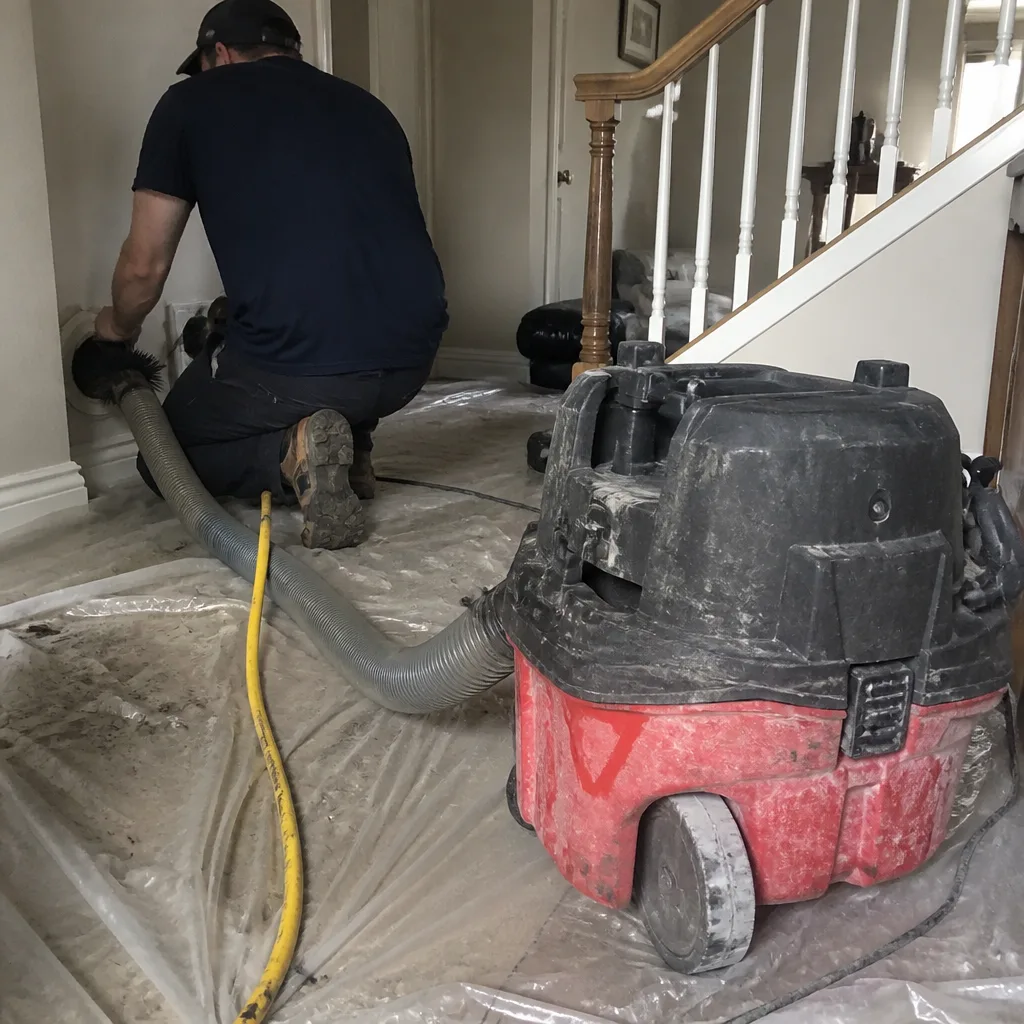 Before
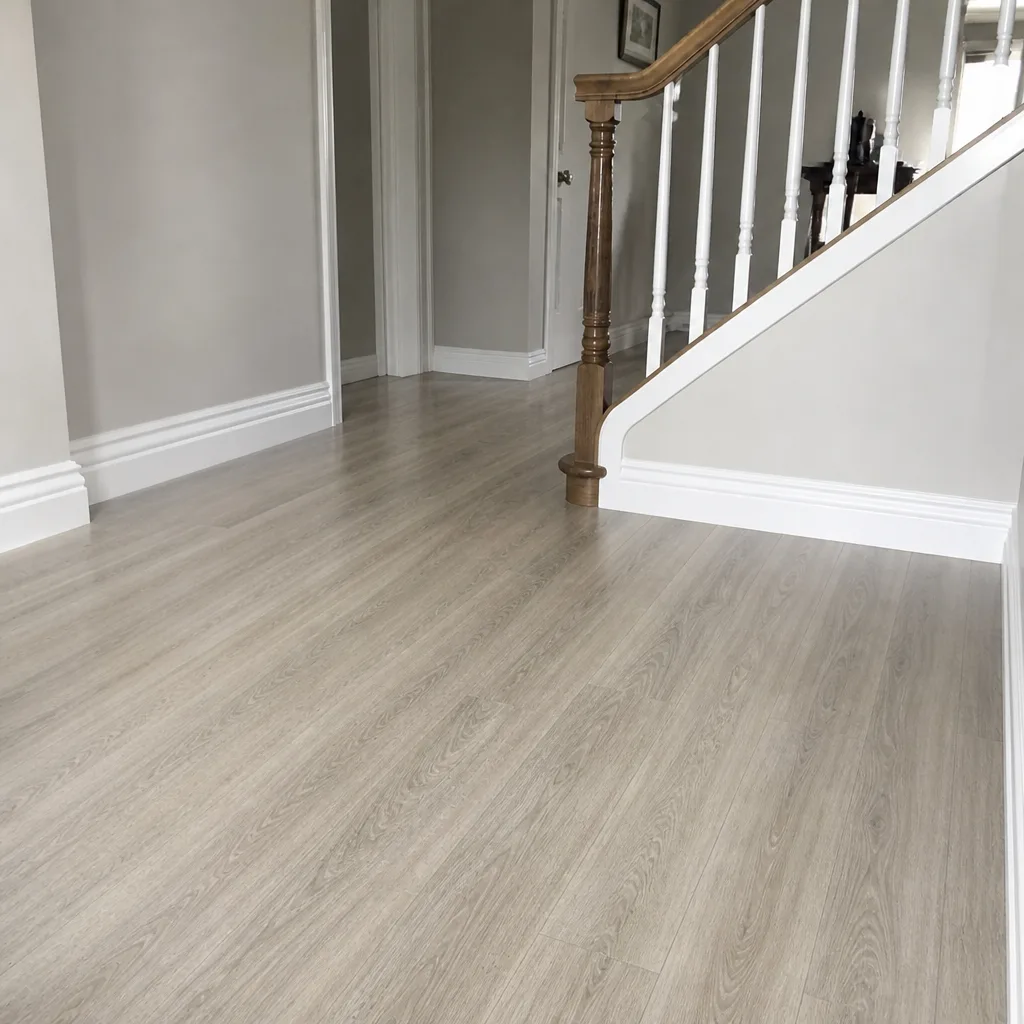 After
When to Call a Professional
Call a professional when two or more warning signs appear together, when the smell comes and goes with the HVAC cycle, when you see pest activity in the crawlspace, when the dryer takes noticeably longer than it used to, or when the bill has climbed 15-20% with no other explanation. Also call if you can see visible separation at a duct fitting or discoloration spreading past a single register; those are the signs of an active problem, not a pending one. Federal Way Air Duct Cleaning Co offers free estimates in Federal Way. Call (844) 625-7649. We answer 24/7. Fast dispatch from 7am to 7pm, Sunday through Friday.
Frequently Asked Questions
Duct cleaning in Federal Way is quoted per system, not per vent, with the exact number confirmed in a written estimate before work starts. Whole-system cleaning is typically estimated after an inspection so the quote reflects the size and layout of your system, whether repair and sealing are needed, and whether the dryer vent is included. Call (844) 625-7649 for an exact quote. Estimates are free.
The cheapest quotes almost always skip either the agitation step or the extraction step, which are what actually remove debris from the duct surfaces. A discount pricing model is designed to get a technician into the home so the price can grow once he’s there, which is where the industry’s bait-and-switch reputation comes from. We quote one flat price per system before work starts, never per vent, and the written estimate sets the final price. Call (844) 625-7649 for a straight quote.
Ask for before-and-after photos of your own system. Any legitimate cleaning company should be able to show you the inside of your ducts before the work and after, on your property, with your equipment visible. Our team documents the process for every customer. Call (844) 625-7649 to book an inspection.
In Federal Way’s damp climate, most homes benefit from a professional cleaning every two to three years, with a closer interval if you have pets, allergies, recent renovations, or visible microbial growth. The bigger determinant is the condition of the duct system, not the calendar. A system with leaks should be repaired and sealed first. Call (844) 625-7649 to get a recommendation specific to your home.
They can contribute. The EPA and ACGIH source material on indoor air quality identifies duct contamination as one of several factors that can affect the airstream you breathe, alongside filtration, ventilation, and humidity. The relevant question isn’t whether ducts are “dirty” in the abstract; it’s whether your specific system shows the contamination patterns described in this guide. Call (844) 625-7649 if you’re seeing them.
They’re separate services, but a full-system approach treats them together. Cleaning a leaky system without repairing the leak is a temporary fix, because the leak will draw in new contamination. We handle cleaning, repair, sealing, sanitizing, and dryer vent work as one scope, so you don’t need three contractors. Call (844) 625-7649 for a combined estimate. Our technicians have up to 13 years of experience with Federal Way systems.
The Bottom Line
Most duct problems don’t announce themselves. They show up as a bill that crept, a bedroom that never warms, a hallway smell that comes and goes with the furnace, or a cluster of symptoms that improve when a household member spends a day away. Your job is to notice the pattern and match it to its cause. The doc that follows: bill anomaly, airflow imbalance, odor pattern, visual clue, symptom cluster. When two or more appear together, book the inspection. In Federal Way’s damp climate and flex-duct housing stock, those signs tend to appear earlier than homeowners expect. Professional-grade cleaning, duct repair and sealing, and air quality solutions handled as one scope is what actually resolves the underlying problem rather than masking it.
If this guide has matched your situation, the next step is straightforward. Call dryer vent cleaning or duct work questions to the same team: (844) 625-7649 for a free estimate. We answer 24/7. Fast dispatch from 7am to 7pm, Sunday through Friday.
Written by the team at Federal Way Air Duct Cleaning Co.