
Last updated November 25, 2026
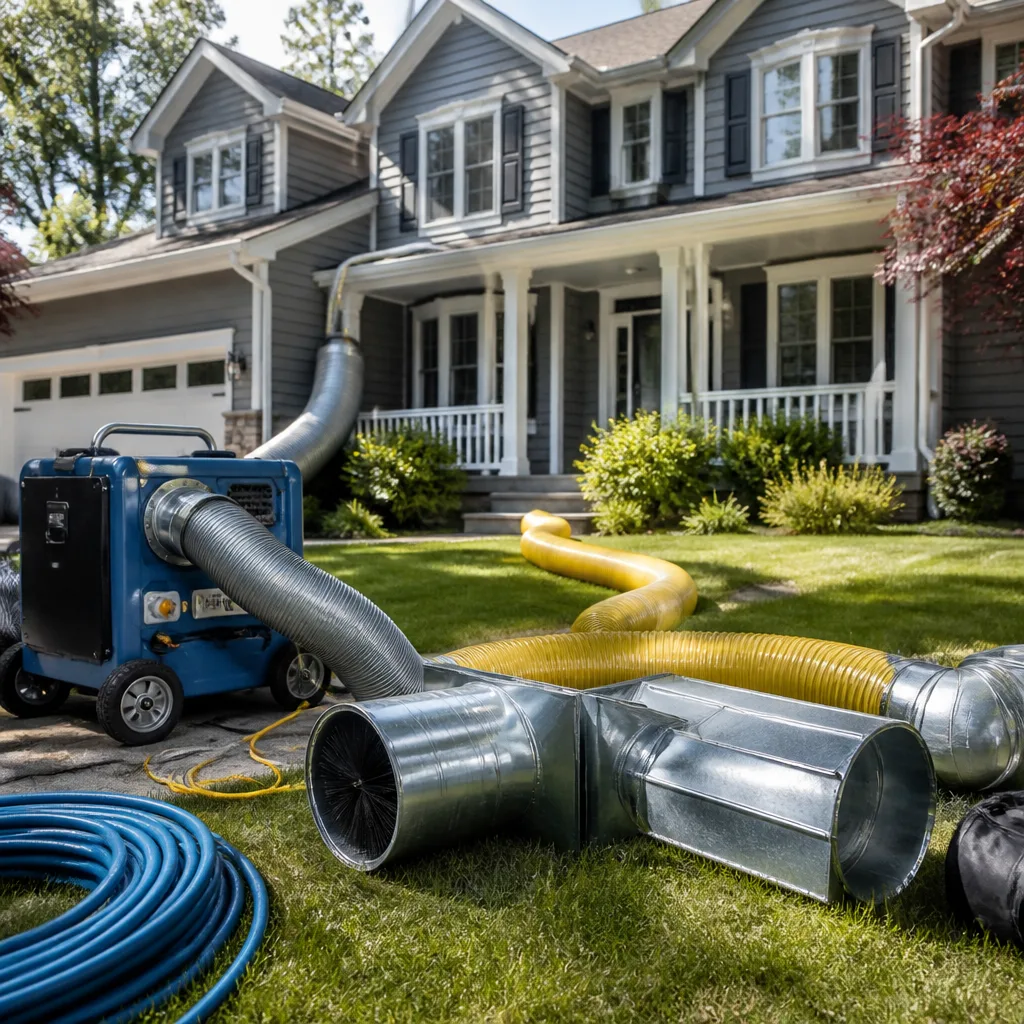 Whole-home duct cleaning
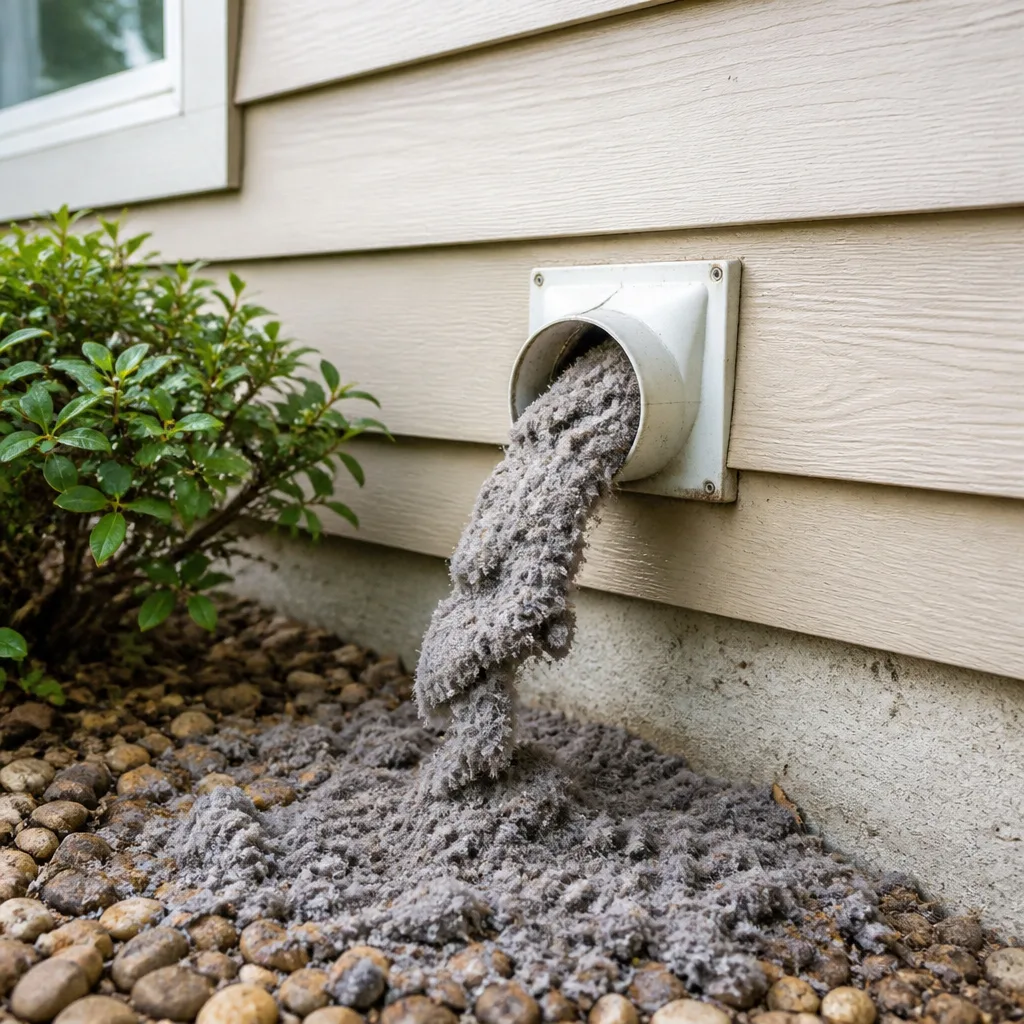 Dryer vent cleaning
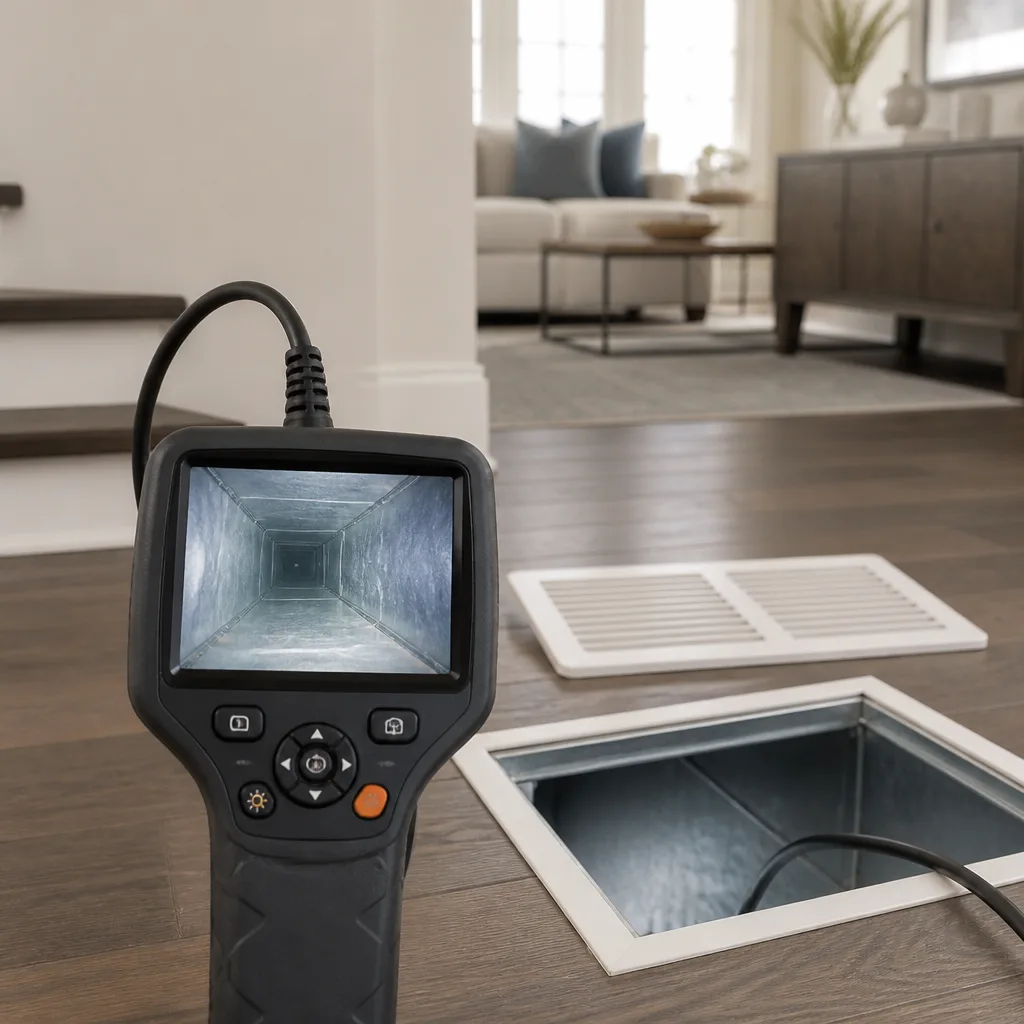 Camera inspection
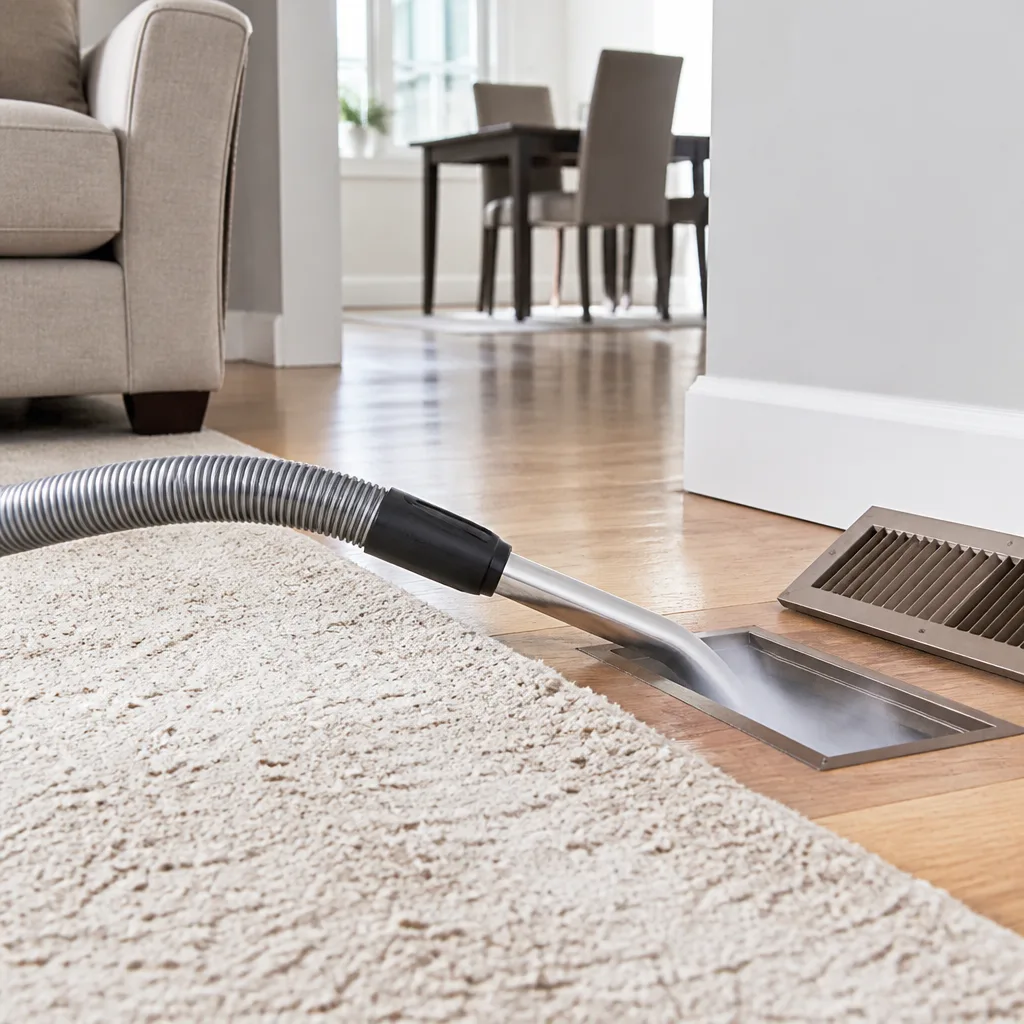 Sanitizing & deodorizing
Whole-system duct and dryer vent check with before-and-after photos - you see exactly what came out of your vents
That "$99 whole-house special" is a bait ad - the real number appears once they are in your hallway, or the "clean" is a shop-vac at the register. We photograph the inside of your ducts before and after instead.
The Complete Guide to Air Duct Cleaning in Federal Way
Most Federal Way homeowners who paid for duct cleaning in the last five years had their supply registers vacuumed, not their duct system cleaned. Those are two different jobs, and the gap between them shows up in your indoor air quality and your energy bill. A register wipe-down takes a few minutes and leaves the trunk lines, branches, and plenum untouched. A real full-system clean reaches every square foot of the air pathway your family breathes from. This guide maps what a legitimate cleaning actually involves in Federal Way: duct construction, the Pacific Northwest’s moisture problem, the equipment that has to be on the truck, and what a real post-cleaning report should contain.
Quick Answer
A full-system air duct cleaning in Federal Way removes accumulated dust, debris, and moisture-driven microbial growth from every component of the air pathway: supply and return trunks, branch runs, registers, grilles, the plenum, and the air handler. It’s done with negative air pressure and mechanical agitation, not a shop vacuum, and it should include duct repair and sealing where leaks exist. In western Washington’s damp climate, ducts that go years without service build up biofilm and mold that a surface vacuum never touches.
Styles & brands we work with
- Whole-home duct cleaning
- Dryer vent cleaning
- Camera inspection
- Sanitizing & deodorizing
Table of Contents
- Why Federal Way Ducts Need More Than a Surface Vacuum
- Source Removal vs. Contact Vacuum: The Difference That Matters
- The Equipment a Full-System Clean Requires
- How Duct Construction Changes the Job
- What the Process Looks Like, Step by Step
- What a Legitimate Post-Cleaning Report Includes
- Duct Repair and Sealing: Fixing the Root Cause
- Dryer Vents, HVAC, and the Rest of the Air Pathway
Why Federal Way Ducts Need More Than a Surface Vacuum
Federal Way sits in one of the wettest climates in the country, and that has a direct effect on what grows inside your duct system. Outside air here carries more moisture than air in Phoenix or Denver. When that air enters a return duct and hits a cold surface in the air handler or a supply run in an unconditioned crawlspace, it condenses. Damp dust is a food source. Damp fiberboard and flex duct liners are a surface for it to grow on. That combination is why Federal Way duct systems accumulate biofilm and mold in ways that drier regions simply don’t see.
The interior of a flex duct is a corrugated plastic liner. Every ridge holds dust. In a dry climate, that dust stays loose and a decent vacuum can pull it away. In Federal Way, the dust bonds to the liner with moisture, and mold spores colonize the damp layer. A contact vacuum passes over the top and leaves the bonded layer behind. You can’t see it. You can smell it in a closed-up house, and you can feel it if anyone in the home has allergies or asthma.
Add the region’s housing stock to the picture. Federal Way has a large share of homes built in the 1970s through the 1990s, many with original flex duct in the attic or crawlspace. Twenty to forty years of damp cycles leaves that duct degraded: liner separating, joints leaking, insulation compressed. Cleaning without inspecting for those conditions is only half a job. This is why we treat air duct cleaning as a system-level process rather than a single pass with a vacuum.
Federal Way also sits in a band of the Puget Sound region where late-fall and winter rain is heavy, and many homes sit on sloped lots with crawlspaces that stay humid through the wet months. Duct runs through those crawlspaces see steady moisture exposure. The ducts themselves don’t have to leak for that to matter. The cold surfaces inside them do the work.
Source Removal vs. Contact Vacuum: The Difference That Matters
Source removal is the industry standard for air duct cleaning. Contact vacuum cleaning is what budget operators do and call it the same thing. The names sound similar. The work isn’t.
Contact vacuum cleaning
A technician runs a shop-style vacuum hose into each register and pulls loose debris from the opening. The suction reaches maybe a foot or two into the run. The trunk lines, the plenum, and the air handler are never accessed. There’s no negative pressure on the system, no mechanical agitation inside the ducts, and no containment, so loosened dust goes back into the house. It’s fast and it looks busy. It also doesn’t clean the system.
Source removal cleaning
Source removal means removing the contamination from where it formed. The work uses two forces at once: negative air pressure to hold debris in suspension and pull it toward a collection point, and mechanical agitation (rotary brushes or air whips) to break the bonded layer free from the duct surface. The vacuum alone doesn’t dislodge bonded biofilm. The brush alone doesn’t carry it out. Together they do both.
- Contact vacuum: register-level, no containment, no agitation, no access to trunk lines or air handler. Fast, small footprint, limited result.
- Source removal: full-system access, negative pressure, mechanical agitation, HEPA filtration, inspection before and after. Slower job, measurable result.
If a quote sounds too low, ask one question: will you be using a negative air machine and rotary agitation, or a vacuum at the registers? The answer tells you which of these two jobs you’re buying.
The Equipment a Full-System Clean Requires
You can’t do source removal with the wrong gear. Here’s the equipment that has to be present for a legitimate full-system clean, and what each piece does.
- Negative air machine with HEPA filtration. Connected to the main trunk, it pulls the whole system into negative pressure so loosened debris travels toward the collection point instead of into your living room. HEPA filtration keeps fine particles from cycling back into the air.
- Rotary brush and air whip systems. The rotary brush is a spinning, flexible brush that travels the inside of the duct and scrubs the bonded layer off the walls. Air whips use high-velocity air jets to dislodge debris in tight or awkward runs. We run Rotobrush equipment for this work, because it’s what abatement and restoration contractors use on contaminated systems, not entry-level gear.
- Inspection camera. Before and after. You can’t prove a duct was cleaned without seeing inside it. Cameras also catch the problems cleaning alone won’t fix, like separated liner or a crushed flex run.
- HEPA vacuum and containment. For register and grille removal, the air handler cabinet, and protecting the surrounding room while work is in progress.
- Sanitizing and air treatment equipment. For duct systems with confirmed microbial growth, a cleaning is the removal and a sanitizing step is the follow-up. We use Abatement Technologies equipment for that stage.
Nikro gear also has a place in the kit for the heavy debris lifting and containment. When a company shows up with a shop vacuum and a ladder, that’s the whole story. When they show up with negative pressure, a rotary brush, a camera, and HEPA filtration, you’re looking at a different kind of job.
How Duct Construction Changes the Job
Not all ducts clean the same way, and not all ducts hold up to the same method. Federal Way homes mostly have three types of duct and each carries its own risk profile.
Flexible duct (flex)
Flex is the corrugated, foil-wrapped duct common in homes built since the 1980s. It’s cheap to install and easy to route through tight attic and crawlspace spaces. The interior liner collects dust in every ridge, and in this climate it collects moisture with it. Flex is the most common place for biofilm and mold to take hold. It’s also the most fragile. A brush run at the wrong speed or pressure will tear the liner, so the cleaning method has to be adjusted. Worn flex often needs to be replaced rather than cleaned; when that’s the case, we say so before work starts.
Sheet metal duct
Older Federal Way homes often have galvanized sheet metal trunks with flex branches. Sheet metal is durable and cleans well with a rotary brush. Its weak points are the joints and seams, which leak over time, and any lined sections where the interior insulation has degraded. A cleaning is also a good chance to seal those joints.
Fiberboard duct
Fiberboard (duct board) is a rigid, insulated duct used in some mid-century and 1980s construction. It’s the most moisture-sensitive of the three. Once fiberboard takes on water, it stays damp and supports mold growth. Cleaning has to be careful not to damage the interior surface, and any section that’s water-damaged or mold-saturated should be replaced, not scrubbed.
- Flex: high dust and moisture accumulation, low tolerance for aggressive cleaning, often replaced.
- Sheet metal: durable, cleanable, prone to joint leakage that sealing fixes.
- Fiberboard: moisture-sensitive, needs careful cleaning, replaces when saturated.
This is why a legitimate cleaning starts with an inspection. The right method depends on what’s actually in your Federal Way home, not on a one-size-fits-all schedule.
What the Process Looks Like, Step by Step
Here’s what the process looks like on a real full-system clean. Every step matters; skip one and the result is incomplete.
- Walkthrough and system inspection. We map the duct layout, count registers and returns, identify duct types, check the air handler, and look for existing leaks, damage, or moisture. A camera goes into accessible runs so we know what we’re dealing with before any equipment comes off the truck.
- Containment and protection. Drop cloths go down, registers come off, and openings are sealed so the rest of the house stays clean.
- Negative pressure on. The HEPA negative air machine connects to the main trunk and pulls the system into negative pressure. This is what keeps loosened debris from drifting back into the living space.
- Mechanical agitation. The rotary brush travels each branch and trunk run, breaking the bonded layer off the duct walls while the negative pressure carries it out. Air whips cover the awkward runs the brush can’t fully reach.
- Air handler and plenum clean. The air handler cabinet, blower compartment, and plenum get cleaned separately. This is where a lot of accumulated dust actually lives, and it’s the part contact-vacuum operators skip.
- Sanitizing where needed. If the inspection or camera footage shows confirmed microbial growth, a sanitizing step follows the cleaning. Guardsman-grade protective treatments and Abatement Technologies equipment are available for that stage.
- Post-cleaning inspection. Camera back in, before-and-after images captured. This is the proof stage, and it’s part of the job.
- Filter and re-assembly. Registers and grilles go back, a fresh filter goes in, and we confirm the system is running clean before we leave.
If a company can’t walk you through steps 1 through 8 in that order, you’re not looking at a full-system clean. We handle the whole scope on one visit: HVAC cleaning, duct cleaning, and any repair and sealing that turns up along the way.
What a Legitimate Post-Cleaning Report Includes
Verbal confirmation is not a report. If a technician tells you “all done, looks great” and walks out the door, you have nothing to verify. A real post-cleaning report is a document you can keep, compare later, and hand to a future buyer or property manager. It should include:
- Before-and-after photos or video of each duct run as accessible, with the camera confirming the interior condition after cleaning.
- A written summary of what was cleaned, by system component: supply trunks, returns, branches, registers, plenum, air handler.
- Notes on duct condition: any damaged liner, crushed flex, disconnected joints, or moisture damage found and what was done about it (cleaned, sealed, or recommended for replacement).
- Any findings that need follow-up, clearly separated from the work performed.
- Documentation of any sanitizing treatment, with the product and method listed.
Ask for this in writing. Any company that can do the work can produce the record. The reason this matters isn’t just for you, it’s also for anyone you sell the home to: a documented cleaning history signals a maintained system, while an undocumented one is just a claim.
Duct Repair and Sealing: Fixing the Root Cause
Clean ducts are only part of the story. A system cleaned but left leaking will be back to its old condition in a few years, because the leaks pull unconditioned, dusty air in every time the HVAC runs. In Federal Way’s climate, that also means pulling damp air from crawlspaces and attics directly into the system.
Duct leakage is common and usually invisible. A flex joint that’s slipped apart, a disconnected branch at the trunk, a seam in the sheet metal plenum that’s opened up, all show up as air loss and dust. Sealing addresses them at the source.
- Joint and seam sealing where leakage is identified, restoring the pressure the system was designed to run at.
- Repair or replacement of damaged, torn, or collapsed flex runs so the system can actually move air.
- Insulation restoration where existing insulation has compressed or failed, which matters in western Washington’s damp crawlspaces.
Repairing and sealing the system isn’t an upsell to us; it’s the difference between a cleaning that holds and one that doesn’t. We work on the whole system, so cleaning and repair happen together rather than in separate visits from separate contractors.
Dryer Vents, HVAC, and the Rest of the Air Pathway
The air duct system in your Federal Way home isn’t the only air pathway in the house. The clothes dryer vent is another, and it carries real fire risk. A lint-clogged dryer vent restricts airflow, overheats, and can ignite. This isn’t a rare problem; it’s a common one in homes where the dryer vent run is long, has elbows, or hasn’t been cleaned in years. Cleaning it is part of whole-home air service, not a separate trade.
We handle dryer vent cleaning alongside the rest of the scope. The full picture looks like this:
- Air ducts: supply and return cleaning, inspection, repair, and sealing.
- HVAC system: air handler, blower, and plenum cleaning, plus filter service.
- Dryer vent: lint and debris removal from the full vent run to the exterior.
- Air quality: sanitizing for microbial growth, plus whole-home air quality systems.
If you’re thinking about long-term air quality, we work with the Honeywell and Aprilaire product lines. Those systems filter or treat the air at the whole-home level, and they need the same clean duct system behind them to work. Putting a filtration system on a dirty duct network just filters dirty air. Clean the system first, then improve the filtration. That’s the order that works.
Common Mistakes to Avoid
- Accepting a register-level vacuum as a full clean. A shop vacuum at the register can’t reach the trunk lines or the air handler, and in Federal Way’s damp climate it leaves the bonded layer untouched.
- Skipping the inspection before the cleaning. Duct type determines the method. Cleaning a fragile flex liner with an aggressive brush destroys it, and cleaning a water-damaged fiberboard run instead of replacing it just spreads the contamination.
- Cleaning a system with visible leaks and no sealing. Leaks pull dusty, damp air in from crawlspaces and attics. Cleaning without sealing means the system is dirty again in a few years.
- Accepting a verbal “all done” as proof. Ask for the before-and-after photos and the written component summary. No documentation, no verification.
- Forgetting the dryer vent. A clogged dryer vent is a fire risk and it’s often the most neglected air pathway in a Federal Way home.
- Ignoring humidity and moisture in the crawlspace. A duct system in a damp crawlspace will keep condensing no matter how well it’s cleaned. Moisture control at the source is part of the long-term fix.
- Adding air quality equipment before cleaning. A whole-home Honeywell or Aprilaire unit will perform poorly on a dirty duct system. Clean first, then add filtration.
See the difference
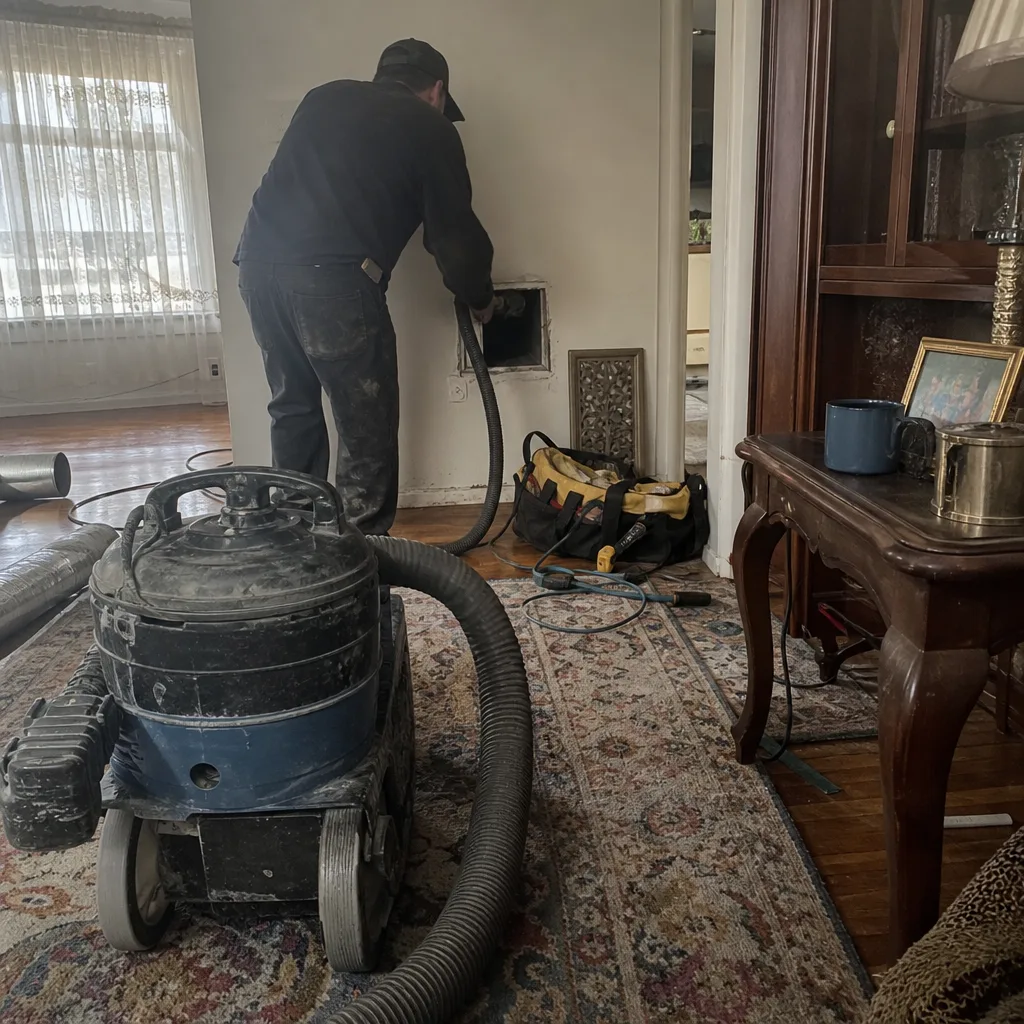 Before
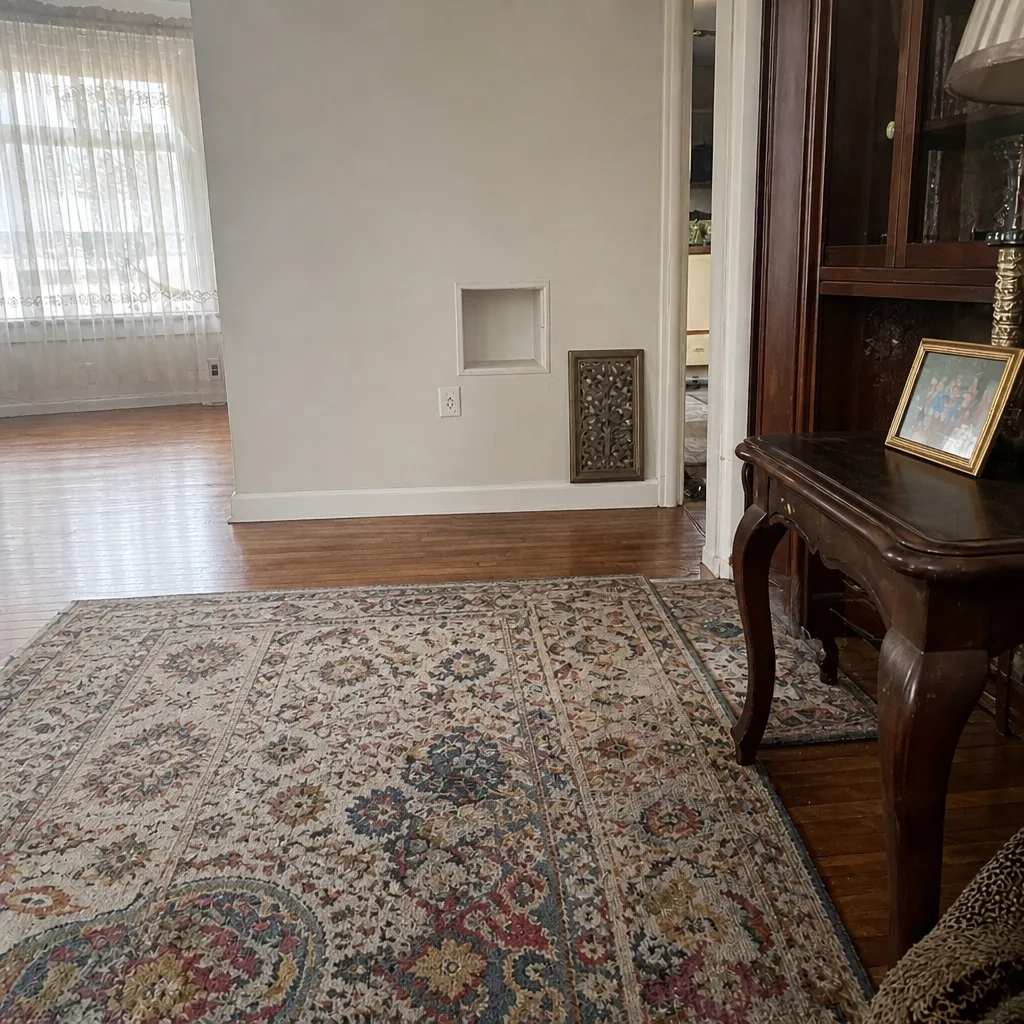 After
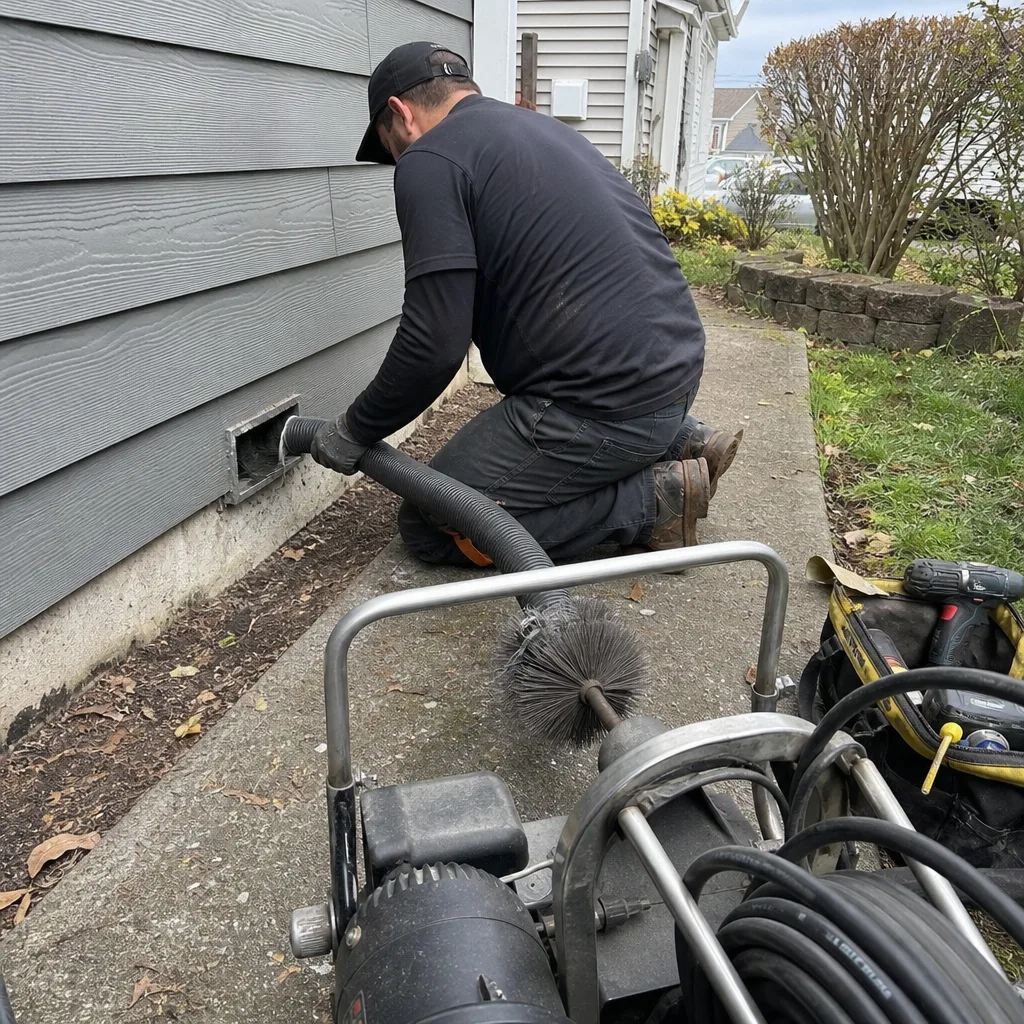 Before
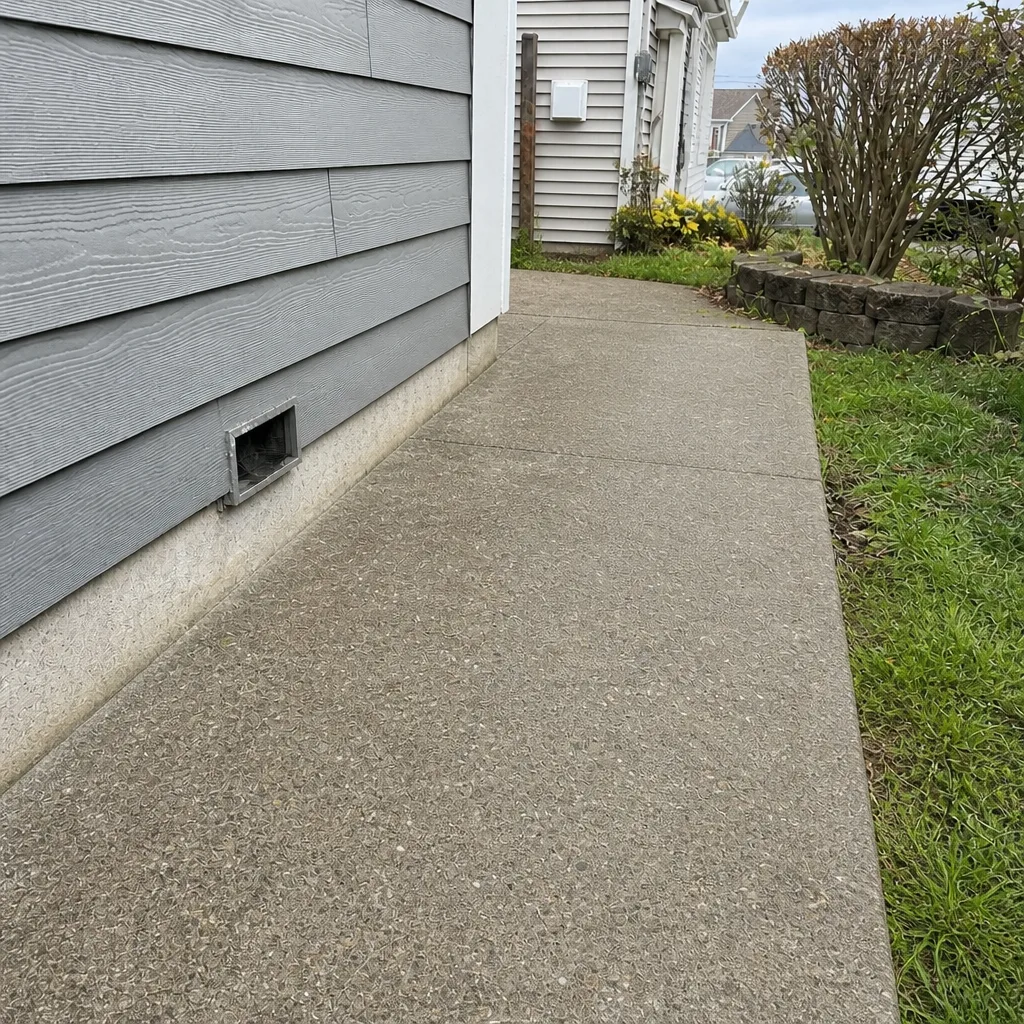 After
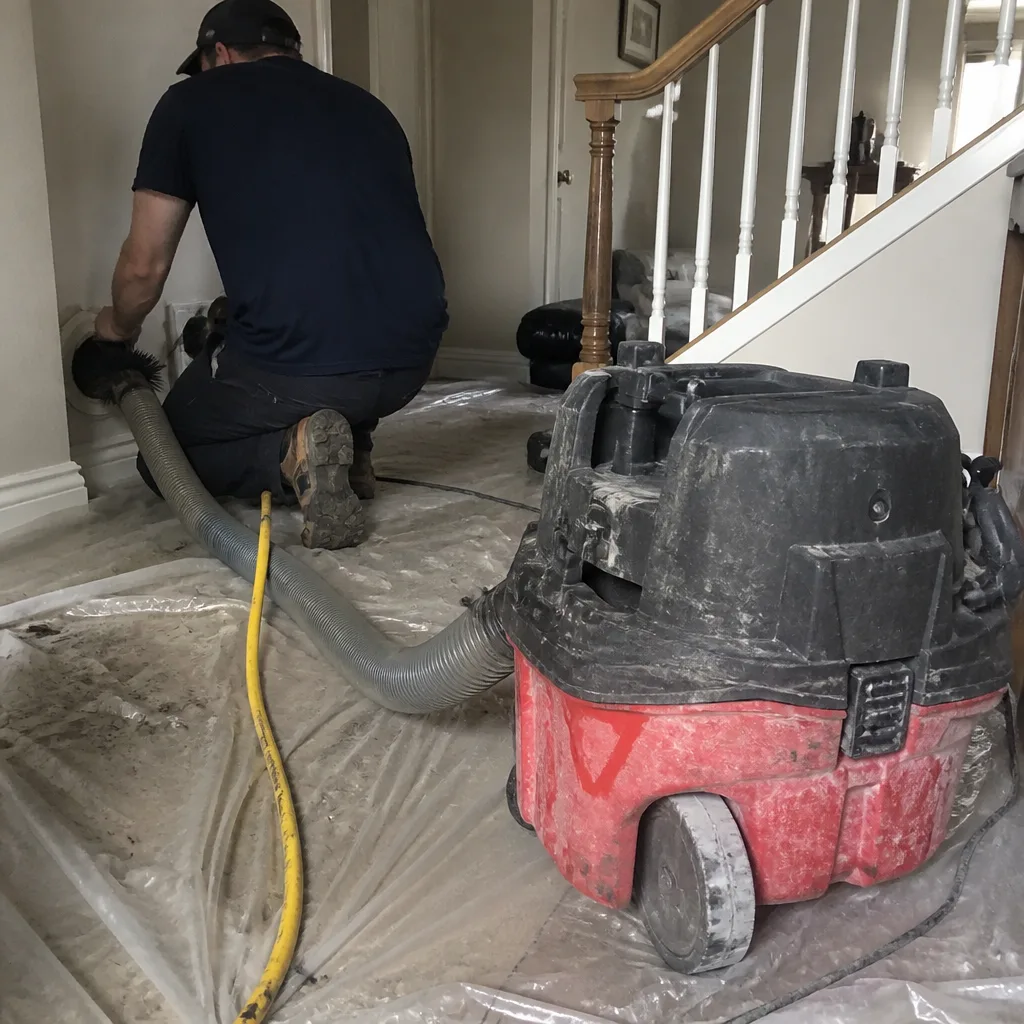 Before
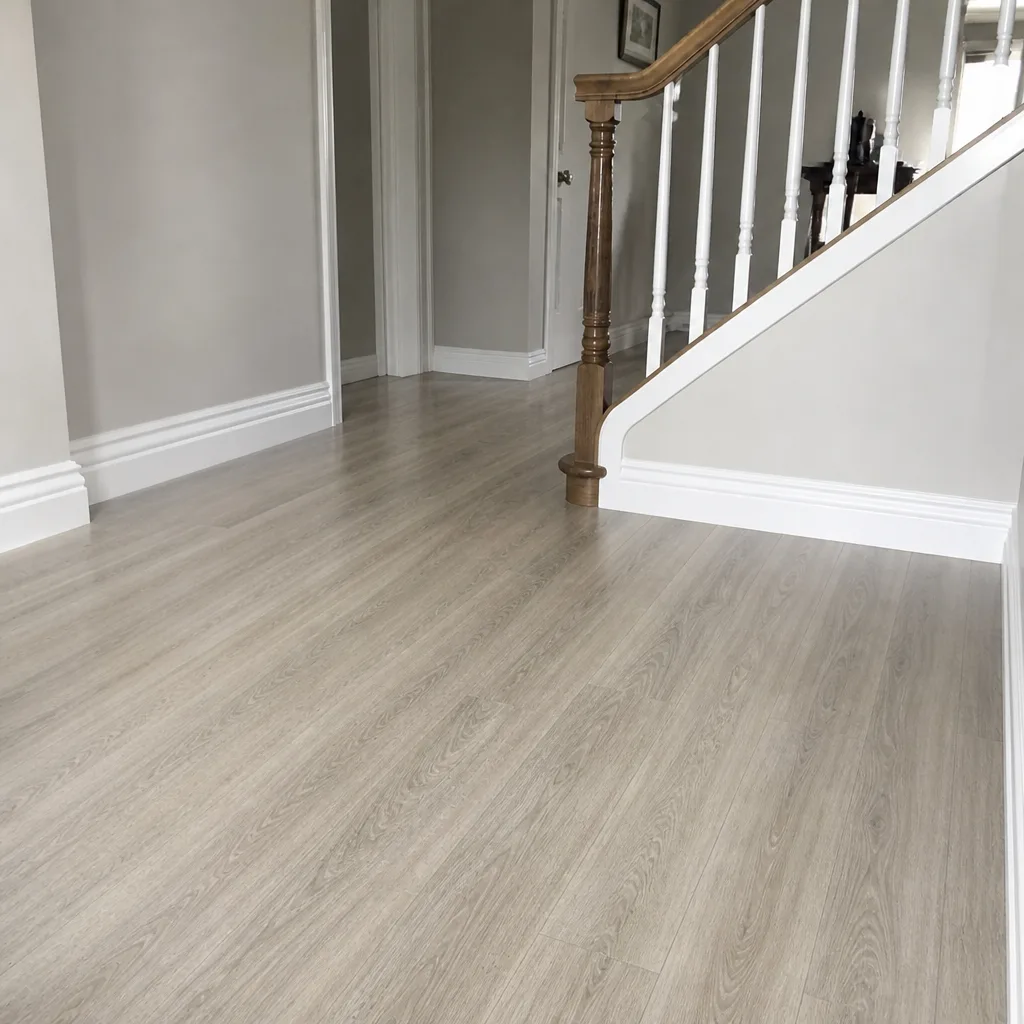 After
When to Call a Professional
Some conditions clearly call for a professional full-system clean. You should call if you see visible dust blowing out of a register, if a musty smell comes from the vents when the system starts, or if you’ve had a recent renovation that pushed drywall dust through the system. Call if you’ve been in the home through several heating seasons without a service, if anyone in the household has allergies or asthma that seem worse indoors, or if you can see damaged or disconnected flex duct in the attic or crawlspace. The dryer vent is its own call: if the dryer takes noticeably longer to dry a load, that’s the signal. Federal Way Air Duct Cleaning Co offers free estimates in Federal Way. Call (844) 625-7649. We answer 24/7. Fast dispatch from 7am to 7pm, Sunday through Friday.
Frequently Asked Questions
Every three to five years for most Federal Way homes, and sooner if you’ve had a renovation, a moisture problem, or visible dust at the registers. Western Washington’s damp climate pushes duct systems toward moisture-driven buildup faster than drier regions, so the low end of that window is a sensible default. A camera inspection tells you what your system actually needs. Call (844) 625-7649 for an exact quote; estimates are free.
It depends on the number of systems, the duct type, and whether repair or sealing is needed. What you should watch for is any quote that prices the job per vent or uses a teaser figure; those quotes tend to grow substantially once the technician is on site. We quote one flat price per system before work starts, and the written estimate sets the final price. Call (844) 625-7649 for your free estimate.
Because they’re for a different job. A low quote usually buys a contact vacuum at the registers, no negative pressure on the system, no access to the trunk lines or air handler, and no documentation. Source removal takes more equipment and more time, and the price reflects that. If the quote seems unusually low for Federal Way, ask what equipment will be on site before you book. Call (844) 625-7649 for an honest quote on a full-system clean.
Ask for the before-and-after camera footage and the written component summary. A real report lists every duct run and system component cleaned, notes any repair or sealing, and documents any sanitizing treatment. Verbal confirmation isn’t proof. We provide the documentation as part of every full-system clean. Call (844) 625-7649 to schedule an inspection first if you’re not sure.
It can reduce the dust and microbial load the system is circulating through the home, which is a real factor for anyone sensitive to airborne particulates. Cleaning is the removal; sanitizing for confirmed microbial growth and whole-home filtration with a Honeywell or Aprilaire system are the next steps. Indoor air quality improvement is a process, not a single visit. Call (844) 625-7649 to talk through what your system needs.
We handle the whole air pathway: air ducts, dryer vents, HVAC systems, duct repair and sealing, and air quality sanitizing, all under one scope. That means a full-system clean on one visit instead of coordinating several contractors. If a duct run needs repair or a dryer vent has been neglected, both get handled in the same job. Call (844) 625-7649 to schedule an estimate.
The Bottom Line
Air duct cleaning in Federal Way isn’t a single service. It’s a system-level process shaped by the region’s moisture, the age and type of duct in the home, and the condition of the HVAC system it serves. The legitimate version uses negative pressure and mechanical agitation to reach every component, produces before-and-after documentation, and seals leaks that would otherwise undo the work. Contact-vacuum cleaning skips all of that. If you’ve paid for a cleaning in the last five years and aren’t sure what you got, an inspection is the place to start. We use Rotobrush and Nikro equipment, handle repair and sealing alongside cleaning, and work the whole system from the air ducts to the Federal Way Air Duct Cleaning Co scope including dryer vents and air quality. Our technicians have up to 13 years of experience.
Call (844) 625-7649 for a free estimate. We answer 24/7. Fast dispatch from 7am to 7pm, Sunday through Friday.
Written by the team at Federal Way Air Duct Cleaning Co.