
Last updated November 25, 2026
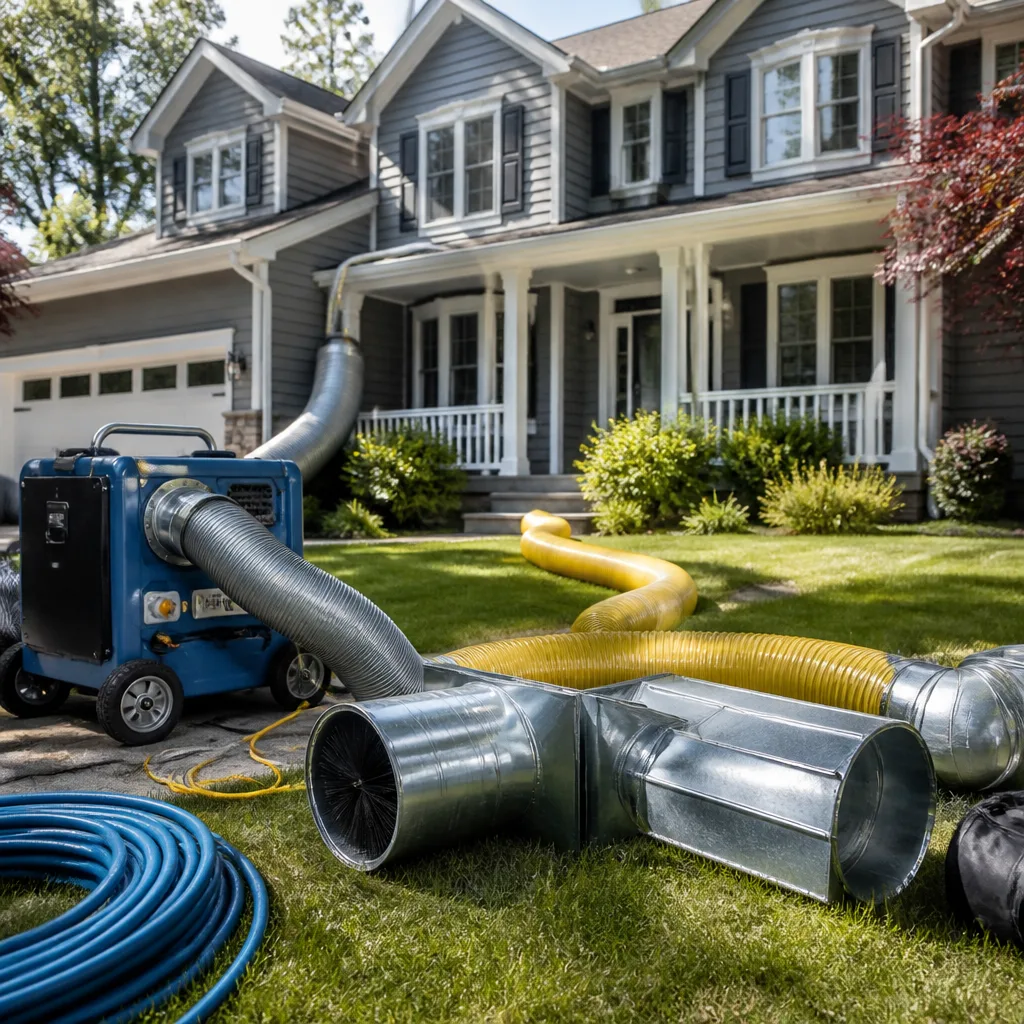 Whole-home duct cleaning
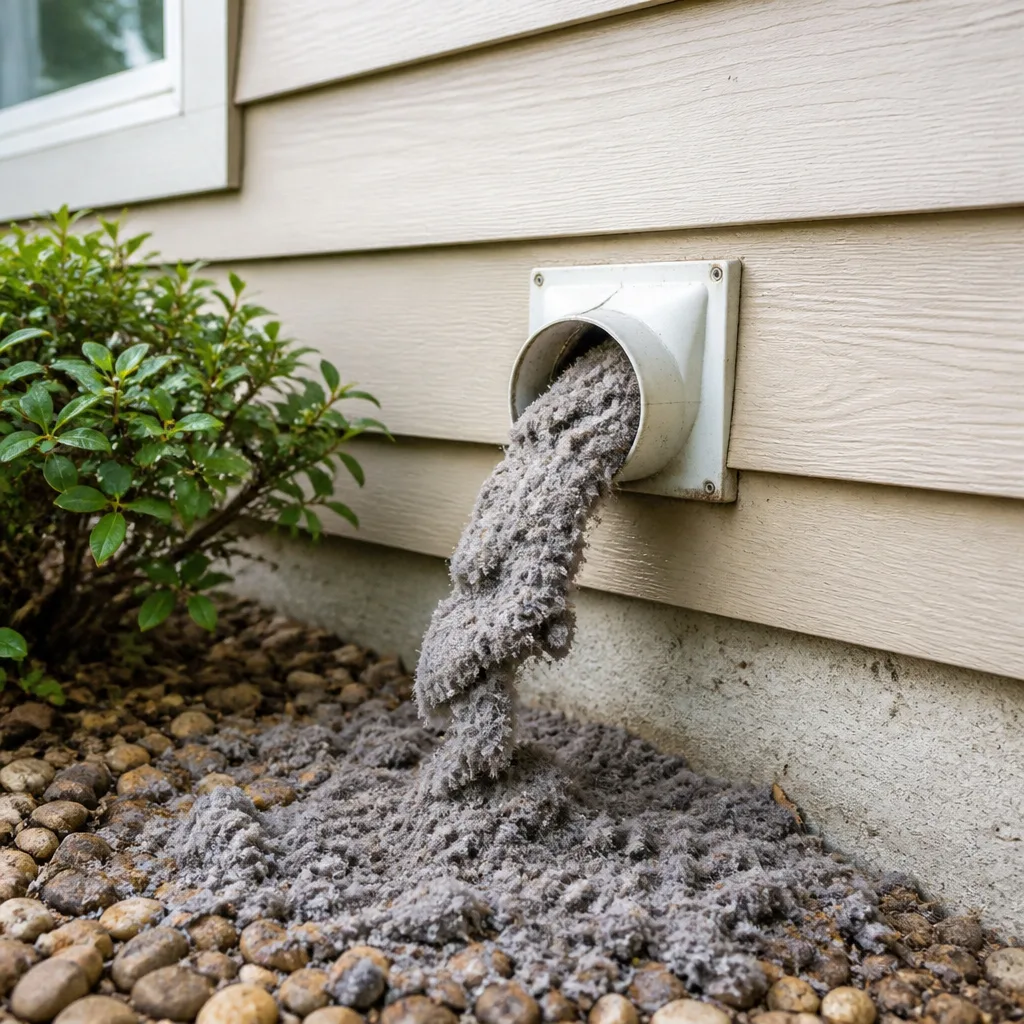 Dryer vent cleaning
 Camera inspection
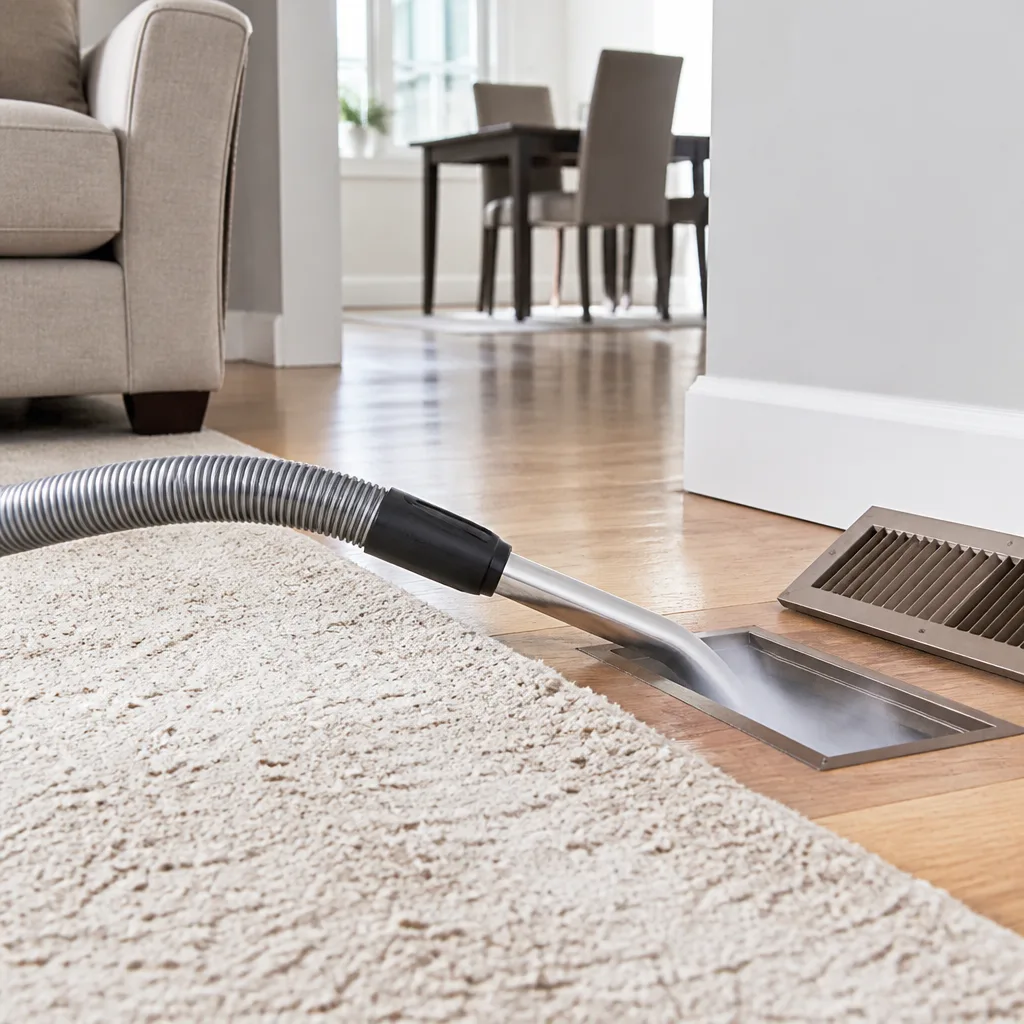 Sanitizing & deodorizing
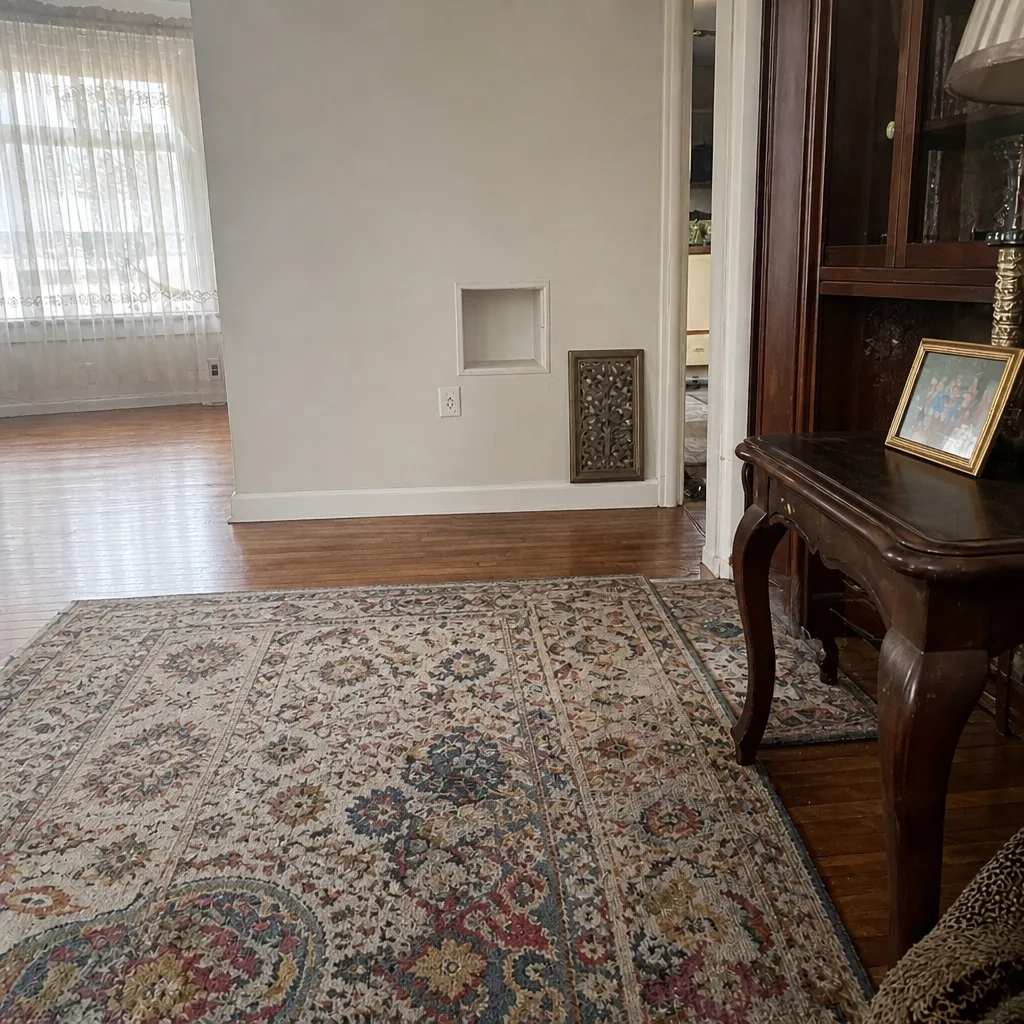
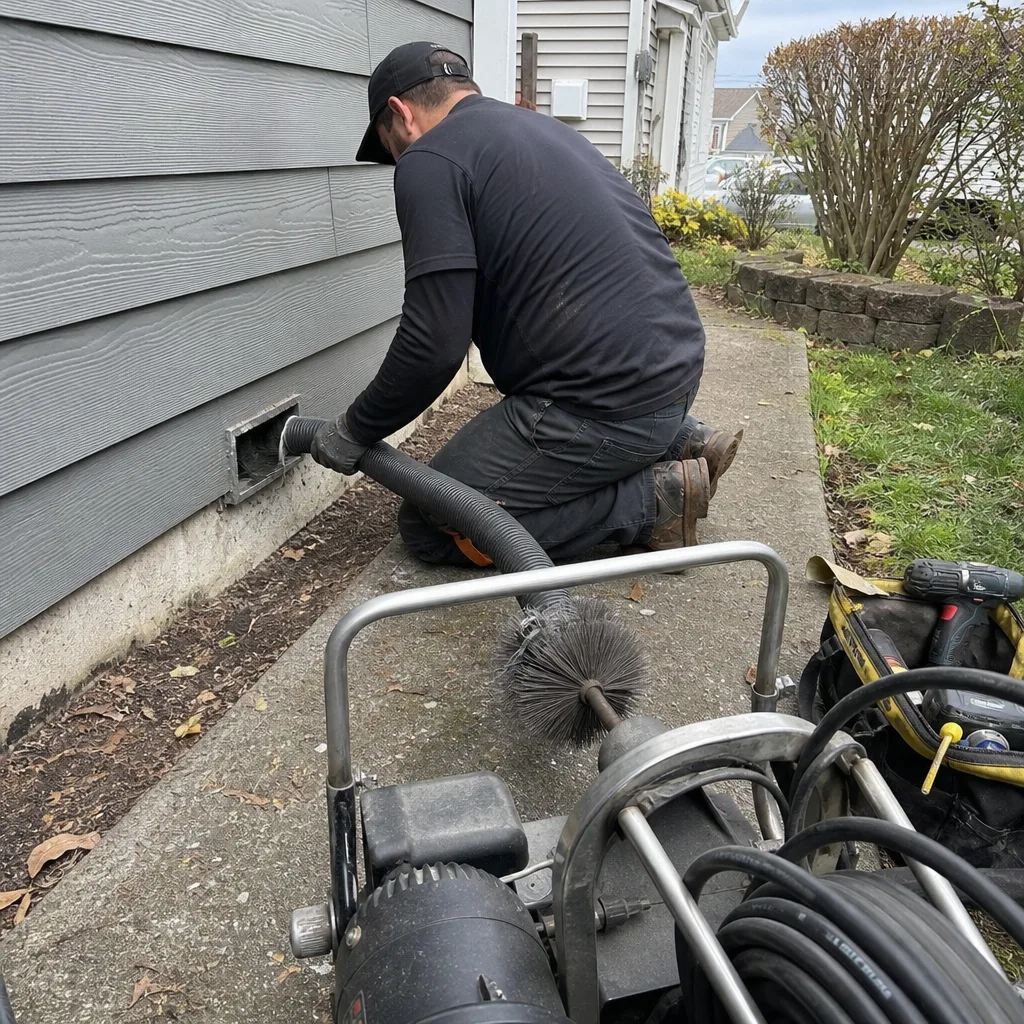
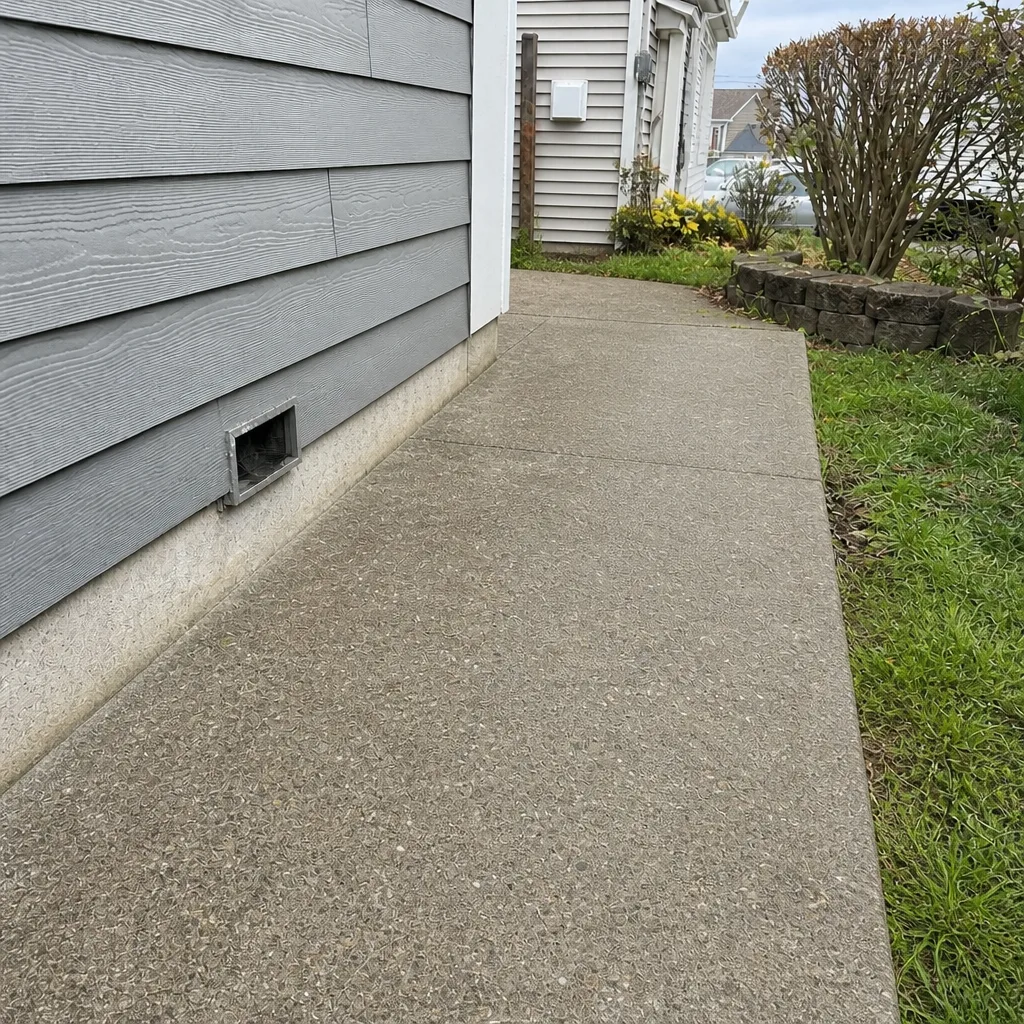
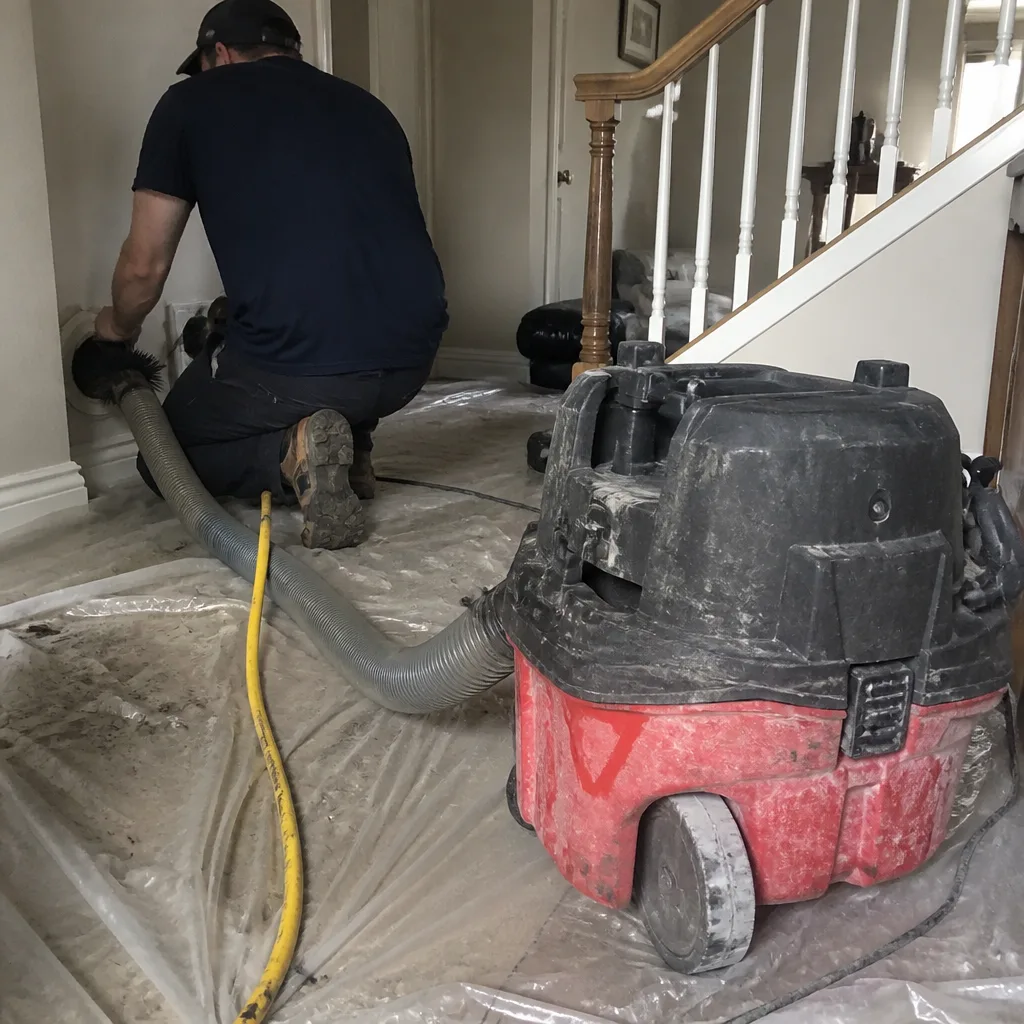
Whole-system duct and dryer vent check with before-and-after photos - you see exactly what came out of your vents
That "$99 whole-house special" is a bait ad - the real number appears once they are in your hallway, or the "clean" is a shop-vac at the register. We photograph the inside of your ducts before and after instead.
Seasonal Air Duct Cleaning Care for Federal Way: Year-Round Homeowner’s Guide
Most homeowners treat duct cleaning as an annual checkbox, something to schedule when the furnace starts smelling off or the filter looks gray. That single-event approach is the wrong model for Federal Way. Western Washington hands us four distinct stress periods every year – a wet cool season that runs the heat for months, a shoulder season that now carries wildfire smoke, a dry summer, and a fall restart – and each one loads the system differently. A duct network that was clean in October can be carrying a doubled debris load by the end of a smoke season. This guide lays out what happens inside your ducts in each of those periods, what to inspect, and how to build a maintenance calendar keyed to Federal Way weather rather than a generic checklist.
Quick Answer
In Federal Way, ducts need attention at four points on the calendar: a fall pre-heating inspection before the system runs continuously, a winter airflow check during heavy moisture season, a spring post-heating cleaning before cooling load, and summer protection during wildfire smoke events. A full mechanical cleaning once a year, timed in spring, covers most homes; homes near busy corridors or with allergy concerns benefit from a second check after smoke season. Seasonal cleaning is not about a single deep clean – it’s about matching the service to what the local climate is doing to the system right now.
Styles & brands we work with
- Whole-home duct cleaning
- Dryer vent cleaning
- Camera inspection
- Sanitizing & deodorizing
Table of Contents
- Why Federal Way’s Climate Splits Duct Care Into Four Seasons
- Fall: The Pre-Heating-Season Inspection
- Winter: Moisture, Mold Risk, and Airflow to Watch
- Spring: Post-Heating Assessment and Filter Transition
- Summer and Wildfire Season: Protecting Duct Interiors
- What Filtration Upgrades Actually Do (and What They Don’t)
- Building Your Federal Way Maintenance Calendar
- Why Repair and Sealing Belong in the Seasonal Plan
Why Federal Way’s Climate Splits Duct Care Into Four Seasons
Puget Sound weather is not extreme, and that’s exactly the problem. Because Federal Way rarely gets a deep freeze or a brutal heat wave, HVAC systems run at moderate load for long stretches instead of hard bursts. That pattern has a specific effect on ducts: air moves continuously through the network for months, carrying whatever particulate is in the house with it, and deposits it slowly rather than in visible spikes. The buildup is gradual, which is why homeowners often don’t notice until airflow drops or the house starts smelling like dust when the heat kicks on.
Then there’s the smoke. Western Washington’s wildfire smoke season has expanded in recent years, and Federal Way has recorded multiple days in recent smoke years with fine particulate levels high enough that a running HVAC system pulls that material straight into the return side and deposits a portion of it inside the ducts. Fine particulate is small enough to pass a standard filter and settle on duct walls, which means one bad smoke season can meaningfully raise the debris load in a network that was clean in the fall.
Layer on the wet season – months of rain and high indoor humidity while the house is closed up – and you have the conditions that grow microbial activity on damp organic dust inside a duct. This is why we work on the whole system each season rather than treating cleaning as a one-time event.
- Fall: system restarts after summer idle; the first inspection of the heating year.
- Winter: heat runs long and often; moisture and indoor humidity peak.
- Spring: heating season ends; the best window for a full mechanical clean.
- Summer: cooling load plus wildfire smoke; filtration and duct-interior protection matter most.
Fall: The Pre-Heating-Season Inspection
Before the furnace runs continuously for the first time since spring, the system deserves a look. This is the moment when last summer’s dust, pollen, and any smoke that entered the return side gets baked by the first sustained heat – and that’s the smell most homeowners describe as “the house smells like burning dust” in October and November.
A proper fall inspection at a Federal Way home walks through the same sequence every time:
- Check the filter first. A summer’s worth of dust and pollen can load a filter without the system ever running hard. Replace it before the heating season starts, not after.
- Inspect the return grilles and registers. Visible dust on the supply registers in fall is usually a sign the return side is pulling more than it should – often from a leaky return duct.
- Look at the accessible duct runs in the garage, attic, or crawlspace. Disconnected joints, torn flex, and crushed runs are common in older Federal Way homes, and they show up first in fall when the whole system suddenly pressurizes.
- Check the air handler and blower compartment. A dirty blower wheel is a seasonal problem: it reduces airflow and drives up the load on the system.
- Test airflow at a few supply registers. A register that pushes noticeably less air than its neighbors points to a blockage or a leak upstream.
If the inspection turns up visible debris, torn flex, or disconnected joints, that’s the moment to schedule air duct cleaning – not after the heating season, when the debris has spent four months being pushed around. Fall is also the right time to think about duct repair and sealing, because a leaky network in the wet season pulls damp outdoor air into the house. Here’s what the process looks like when sealing is part of the job: we map the system, identify the leaks, seal the accessible runs, and then clean the whole network once it’s sealed so the debris can’t re-enter. Professional-grade equipment – Rotobrush and Nikro agitation-and-extraction systems – handles the full run, not just the registers.
Winter: Moisture, Mold Risk, and Airflow to Watch
Winter in Federal Way is a long, wet, closed-up season. Windows stay shut, indoor humidity climbs, and the heating system runs for months. Those are the conditions where moisture inside a duct network matters most. Dust that would normally stay dry and loose can become damp on cold duct surfaces, and damp organic dust is the base layer microbial growth needs. This is the seasonal window where air quality sanitizing earns its place in the plan.
What to monitor during extended heating periods:
- Musty or earthy odors from supply registers. Dust smells one way; microbial growth smells musty. If the register smell changes from dusty to musty, that’s a signal.
- Visible condensation or staining on accessible duct runs. Ducts passing through a cold crawlspace or an unheated garage are the usual suspects.
- Airflow imbalance between rooms. A room that’s cold in December but was fine in October usually points to a duct problem, not a thermostat problem.
- Excess indoor humidity. If your house runs humid through the winter, that moisture doesn’t stay in the air – it condenses on cold surfaces, including duct interiors.
When odor or staining shows up, the answer isn’t a surface spray at the registers. Air quality sanitizing with Abatement Technologies filtration and sanitizing equipment targets the inside of the duct network itself – the part of the system the seasonal dust and moisture actually accumulate in. We use Guardsman-grade protective treatments as part of that sanitizing work to help keep the cleaned surfaces in better condition through the wet months.
Winter is also a good time to look at the whole-home side. If your house runs humid and the heating is on for months, a Honeywell or Aprilaire whole-home air quality system can do more than cleaning alone – we sell and service both, and the seasonal guide below explains which parts of the filtration story are real and which aren’t.
Spring: Post-Heating Assessment and Filter Transition
Spring is the best window in Federal Way for a full mechanical cleaning. The heating season is winding down, the cooling load hasn’t started, and the dust and debris a winter of continuous airflow kicked loose is sitting in the network where it can be extracted. Clean now, and the system starts summer with a clean interior instead of carrying last winter’s load into smoke season.
The spring sequence for a Federal Way home:
- Full mechanical cleaning of the supply and return runs, the plenum, and the air handler. Agitation-and-extraction does the actual removal – a vacuum alone pulls loose surface dust but doesn’t touch the caked material on duct walls.
- Filter transition. Swap the winter filter for whatever your summer cooling setup calls for. If you were running a high-MERV filter for winter dust, decide whether that’s the right choice for smoke season.
- Post-cleaning inspection. Before-and-after photos of your own ducts, not generic marketing photos, so you can see what came out of the system.
- Air quality check. If the house ran musty all winter, this is the moment to address it – sanitizing work in spring means the network enters summer clean and treated, not just clean.
Spring is also the right time to check the dryer vent. Summer is peak dryer-vent fire season in practice because heat drives the appliance harder, and the lint trap catches only a fraction of what the vent carries. A clogged dryer vent is one of the most common home fire risks we see, and it’s a different piece of equipment and a different process than the air ducts themselves. If the vent hasn’t been cleaned recently, dryer vent cleaning belongs in the spring plan.
Summer and Wildfire Season: Protecting Duct Interiors
Summer in Federal Way used to be the easy season for ducts. That’s no longer true. Western Washington’s smoke season has widened, and recent years have brought multi-day stretches where fine particulate in the outdoor air was high enough that a running HVAC system pulled it into the return side and deposited particulate on duct interiors. That’s why summer protection is now the most rewritten part of a Federal Way maintenance plan.
What actually protects duct interiors during a smoke event:
- Run the system on recirculate (or with the outdoor-air damper closed if you have one) during smoke days. Pulling outdoor air in through the return brings particulate straight to the filter and whatever gets past it to the ducts.
- Keep the filter fresh and sealed. A filter that’s loose in its frame or overdue for replacement lets a measurable amount of fine particulate bypass into the ducts.
- Avoid aggressive cleaning during smoke events. Stirring up dust inside the duct network while outdoor air is compromised means the particles end up in the living space instead of in the vacuum.
- Schedule cleaning after the smoke season clears, not during. Spring or early fall cleaning removes what the smoke season deposited; summer cleaning just moves it around.
The framing that matters here: clean ducts are only part of the story. A filter upgrade helps, but it can’t undo the fact that smoke season loads the return side of the system, and no filter catches everything. What actually changes the outcome is a system that’s clean going into summer, sealed well enough that outdoor air isn’t leaking in through the ducts, and running on a filter that’s matched to the equipment it’s installed in.
What Filtration Upgrades Actually Do (and What They Don’t)
Filter upgrades are the most oversold part of the duct care conversation. Here’s the honest version for Federal Way homes.
What filtration can do:
- Capture more particulate before it reaches the blower and the duct network, which slows the rate at which the system loads up.
- Improve what the blower pulls from the return side during smoke events when the system is running.
- Work with whole-home air quality systems – Honeywell and Aprilaire both make systems we sell and service – to give the system a defined path to better air over years, not a one-time improvement.
What filtration can’t do:
- Clean the inside of the ducts. A filter is upstream of the duct network; it can’t remove what’s already deposited on the duct walls.
- Fix a leaky duct system. Outdoor air pulled through a broken joint bypasses the filter entirely, which is why repair and sealing belong in the plan.
- Make up for a system that’s overdue for a cleaning. A high-MERV filter on a dirty duct network just adds load to the blower.
Higher MERV isn’t automatically better. A very restrictive filter on a system that wasn’t designed for it cuts airflow and can drive up energy use. If you’re considering a filtration upgrade, the starting point is what your system can handle – not the highest number on the box. That’s the difference between an air quality system and a marketing claim.
Building Your Federal Way Maintenance Calendar
A Federal Way duct maintenance calendar should be built around the local weather pattern, not a generic “clean once a year” rule. Here’s a working calendar that covers the seasonal stress periods described above.
- Early fall (before heating season starts): Inspect filter, registers, accessible runs, and air handler. Note any leaks, torn flex, or disconnected joints. Schedule repair and sealing if needed, then clean if debris is visible.
- Late fall through winter: Monitor odors, airflow, and indoor humidity. If musty smell or staining shows up, sanitize the duct interiors with Abatement Technologies equipment. Consider a Honeywell or Aprilaire whole-home system if humidity is a persistent issue.
- Early spring: Full mechanical cleaning with Rotobrush and Nikro equipment. Before-and-after photos of your own ducts. Filter transition for summer. Dryer vent cleaning if it hasn’t been done recently.
- Early summer (before smoke season): Confirm filter is fresh and well-seated. Run on recirculate during smoke events. No interior cleaning during smoke days.
- Late summer or early fall (after the smoke season clears): Inspect for smoke-season deposits. If debris load is visibly high, schedule a second cleaning. Otherwise, the fall inspection covers the next cycle.
That’s five touchpoints, not one. Most Federal Way homes only need two of them in practice – a spring clean and a fall inspection – with the rest as watch points. The point is that the calendar responds to what the climate is doing, not to a fixed annual date. This is also why we don’t recommend a single “just clean it every year” approach: it leaves the system one season behind the actual load.
Why Repair and Sealing Belong in the Seasonal Plan
Cleaning removes debris; it doesn’t fix the reason the debris keeps coming back. If the duct system has leaks, torn flex, disconnected joints, or crushed runs, the cleaning you paid for is undone by the next season. Outdoor air – including smoke and damp winter air – bypasses the filter at every leak and enters the living space directly. That’s the difference between surface-level cleaning and treating the actual cause.
The repair and sealing work sits alongside the seasonal cleaning plan, not on top of it. When we pull the accessible runs during a fall inspection, the leaks we find get sealed before the heating season starts. When we do the spring clean, sealed runs stay clean longer. If your Federal Way home has a return duct that runs through a cold garage or crawlspace, the sealing work also cuts down on the winter moisture that drives microbial growth inside the system.
This is also where the scope matters. Federal Way Air Duct Cleaning Co handles the full air-pathway scope – air ducts, dryer vents, HVAC systems, duct repair and sealing, and air quality sanitizing – so you’re not calling three different contractors to cover what is ultimately one system. The HVAC cleaning side of the seasonal plan is just as important as the duct side, because the blower and air handler are where the dust actually starts to accumulate on hard surfaces.
Common Mistakes to Avoid
- Treating duct cleaning as a one-time annual event. In Federal Way’s climate, the system has four seasonal load periods. Scheduling cleaning for a fixed annual date means the system is always tracking behind the current weather pattern.
- Cleaning during a smoke event. Agitation during smoke days pushes particulate into the living space instead of removing it. Wait for the smoke season to clear, then clean.
- Upgrading the filter without checking the duct system. A high-MERV filter on a dirty network just adds resistance. Check the ducts first, then decide on filtration.
- Ignoring the return side. Most homes only think about the supply registers they can see. The return side is what pulls particulate into the system, and it’s where leaks do the most damage.
- Skipping the fall inspection because “the system still works.” Working is not the same as clean. The first sustained heating run in October and November bakes dust that accumulated all summer.
- Letting the dryer vent go. Summer heat and heavier dryer use mean lint accumulation in the vent is a fire risk. It’s a different service with a different process, and it doesn’t clean itself.
- Sanitizing without cleaning first. A surface sanitizer on a dirty duct network doesn’t help much. Mechanical cleaning removes the material, sanitizing addresses what’s left on the cleaned surfaces.
See the difference
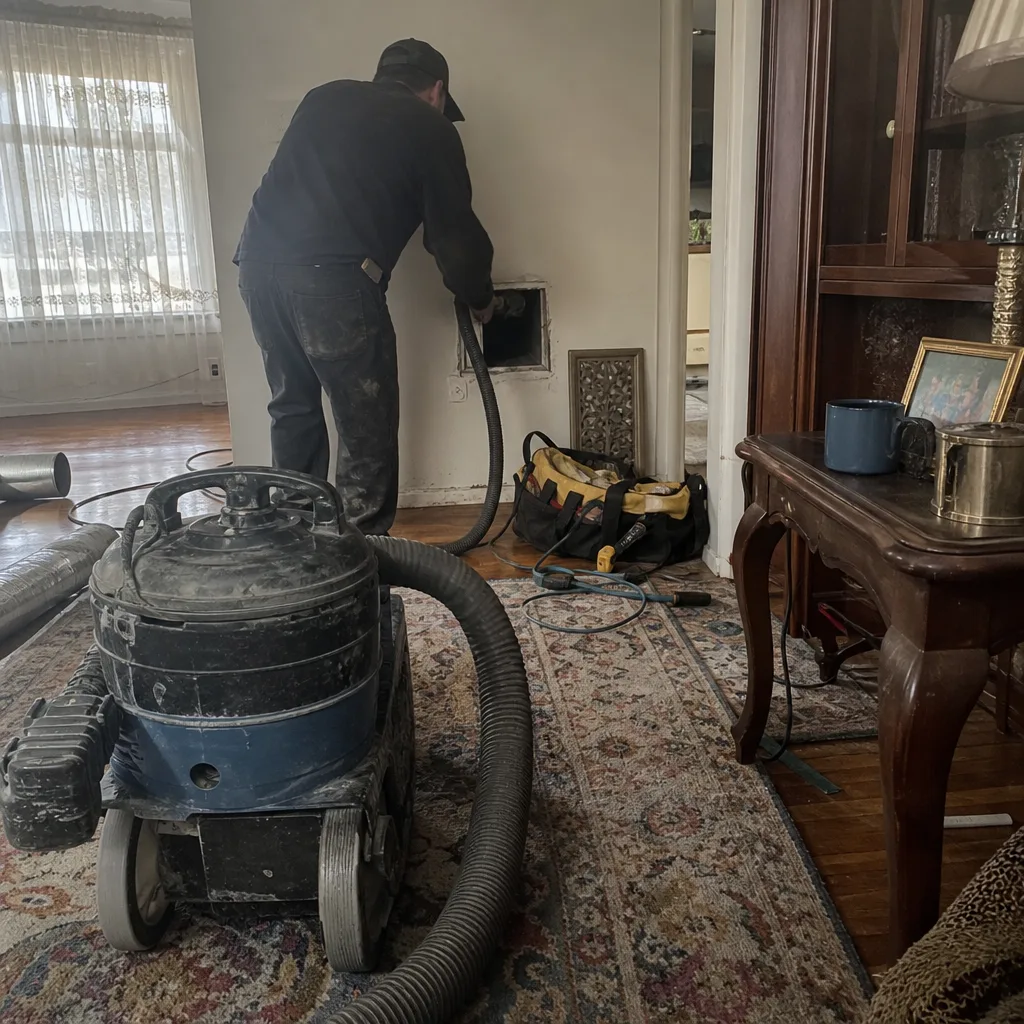 Before
 After
 Before
 After
 Before
 After
When to Call a Professional
Most seasonal duct care is inspection – a checklist a homeowner can run in an hour. The moment to call in a professional is when the inspection turns up something a checklist can’t fix: musty odor that persists after a filter change, visible staining or condensation on duct runs, airflow imbalance between rooms, torn or disconnected flex in a crawlspace or attic, or a dryer vent that hasn’t been cleaned and shows reduced airflow. Those are the signals that a full mechanical clean, repair and sealing, or sanitizing work belongs in the plan.
Federal Way Air Duct Cleaning Co offers free estimates in Federal Way – call (844) 625-7649. We answer 24/7. Fast dispatch from 7am to 7pm, Sunday through Friday. The written estimate sets the final price, and the process is documented with before-and-after photos of your own ducts.
Frequently Asked Questions
Most Federal Way homes do best with a full mechanical cleaning once a year in spring, plus a fall inspection before the heating season starts. Homes near busy corridors, with pets, or with allergy concerns benefit from a second check after smoke season. The right answer depends on the load the system carries, not on a fixed calendar date.
Spring sits between the end of the heating season and the start of cooling and smoke season. Cleaning then removes what a winter of continuous airflow kicked loose and lets the system enter summer clean, before smoke particulate adds a new layer. Clean now, and you’re not chasing last winter’s dust in July.
Yes. Fine particulate from Western Washington’s recent smoke seasons is small enough to pass a standard filter and settle on duct interiors. A running HVAC system pulls that particulate through the return side, and a portion settles on duct walls. That’s why post-smoke cleaning is now part of the seasonal plan for Federal Way homes.
A filter upgrade helps during smoke events, but only if the system is designed to handle the added resistance. Higher MERV isn’t automatically better – a very restrictive filter on the wrong system cuts airflow. Check your equipment’s spec, then decide. If you’re considering a whole-home system, Honeywell and Aprilaire both make units we sell and service.
Cleaning removes the physical debris – the dust, pollen, and smoke particulate that accumulate in the duct network. Sanitizing addresses what’s left on the surfaces after cleaning, which is where winter moisture and microbial growth come in. We use Abatement Technologies filtration and sanitizing equipment for the sanitizing side, and Guardsman-grade protective treatments as part of that service.
Yes. Post-renovation dust – drywall, sanding dust, insulation fibers – is heavier and more abrasive than ordinary household dust, and a home under renovation often runs the system during construction. A cleaning after the project finishes keeps that material out of the long-term duct load. It’s a different profile from seasonal dust, but the mechanical cleaning process is the same.
Ask for before-and-after photos of your own ducts, not stock photos. A documented process includes photos, a written scope, and mechanical cleaning with professional-grade equipment – not a vacuum at the registers. Rotobrush and Nikro agitation-and-extraction systems are standard for the certified restoration and abatement contractors we model our process on.
The Bottom Line
Seasonal duct care in Federal Way is four small checkpoints, not one annual event. The fall inspection catches leaks and torn flex before the heating season runs the system for months. Winter monitoring catches moisture and musty odor before it turns into a bigger sanitizing job. The spring clean removes what a whole winter of airflow deposited and puts the system into summer clean. Summer protection gets the network through smoke season without carrying a doubled debris load into the next fall. Wrap it in repair and sealing and the right filtration for the system you actually have, and the whole plan holds together. If you want a professional eye on it this season, Federal Way Air Duct Cleaning Co handles the full scope – ducts, HVAC, dryer vents, repair and sealing, and sanitizing – with professional-grade equipment and documented results. Our technicians have up to 13 years of experience. Call (844) 625-7649 for a free estimate. We answer 24/7. Fast dispatch from 7am to 7pm, Sunday through Friday.
Written by the team at Federal Way Air Duct Cleaning Co.