
Last updated November 25, 2026
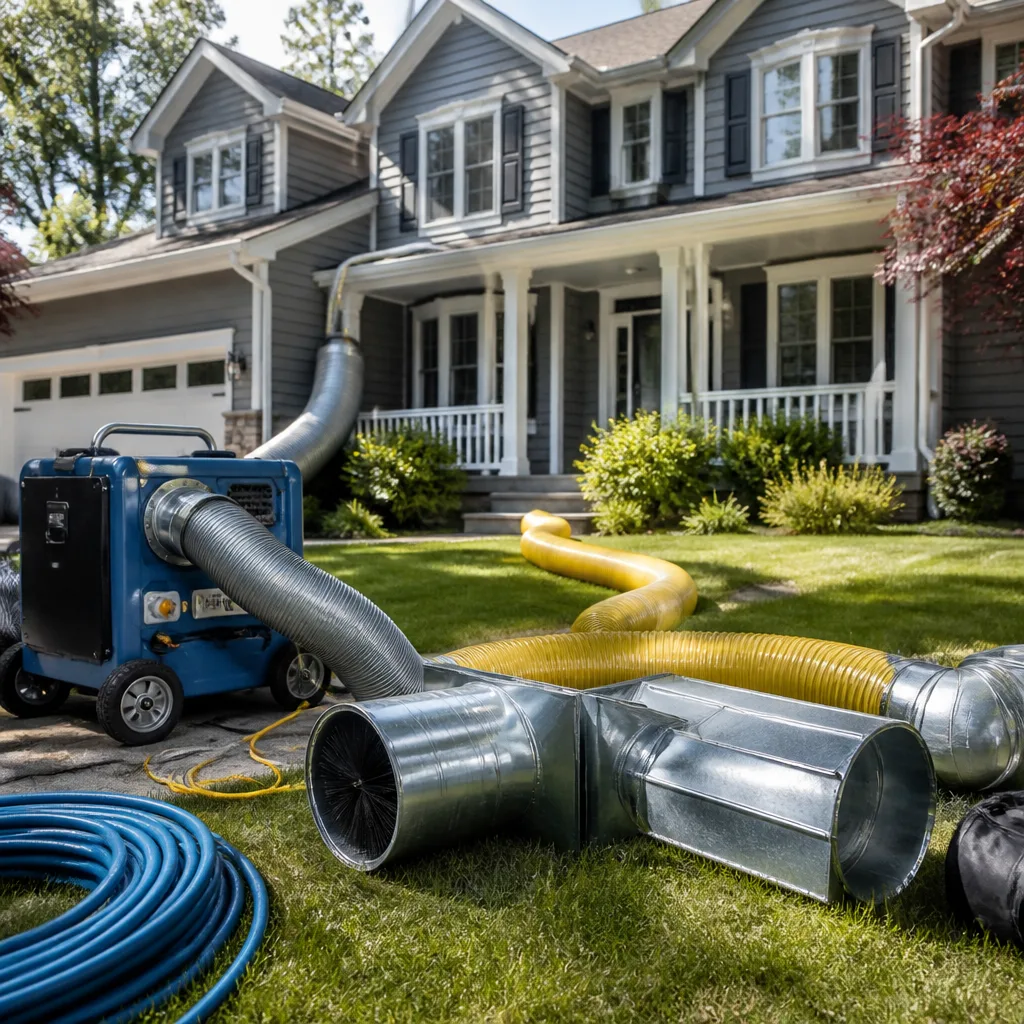 Whole-home duct cleaning
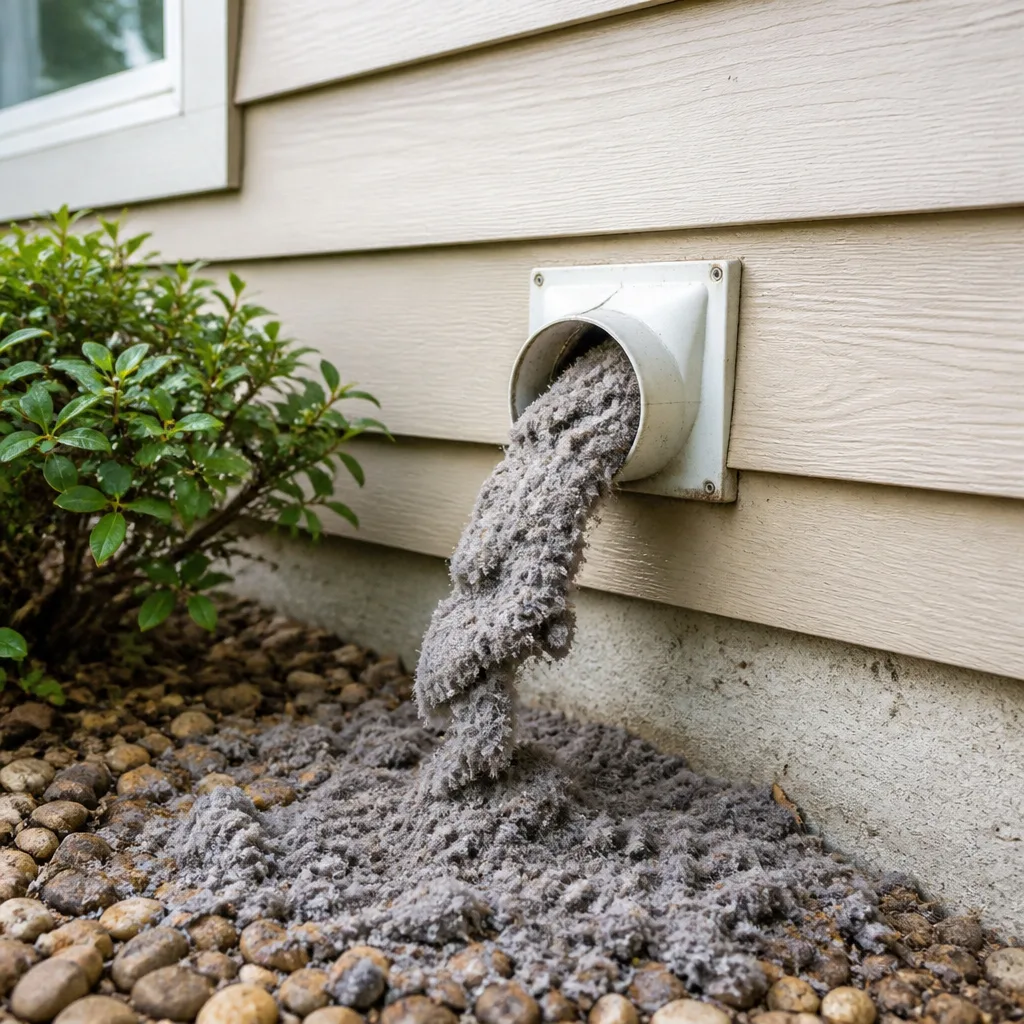 Dryer vent cleaning
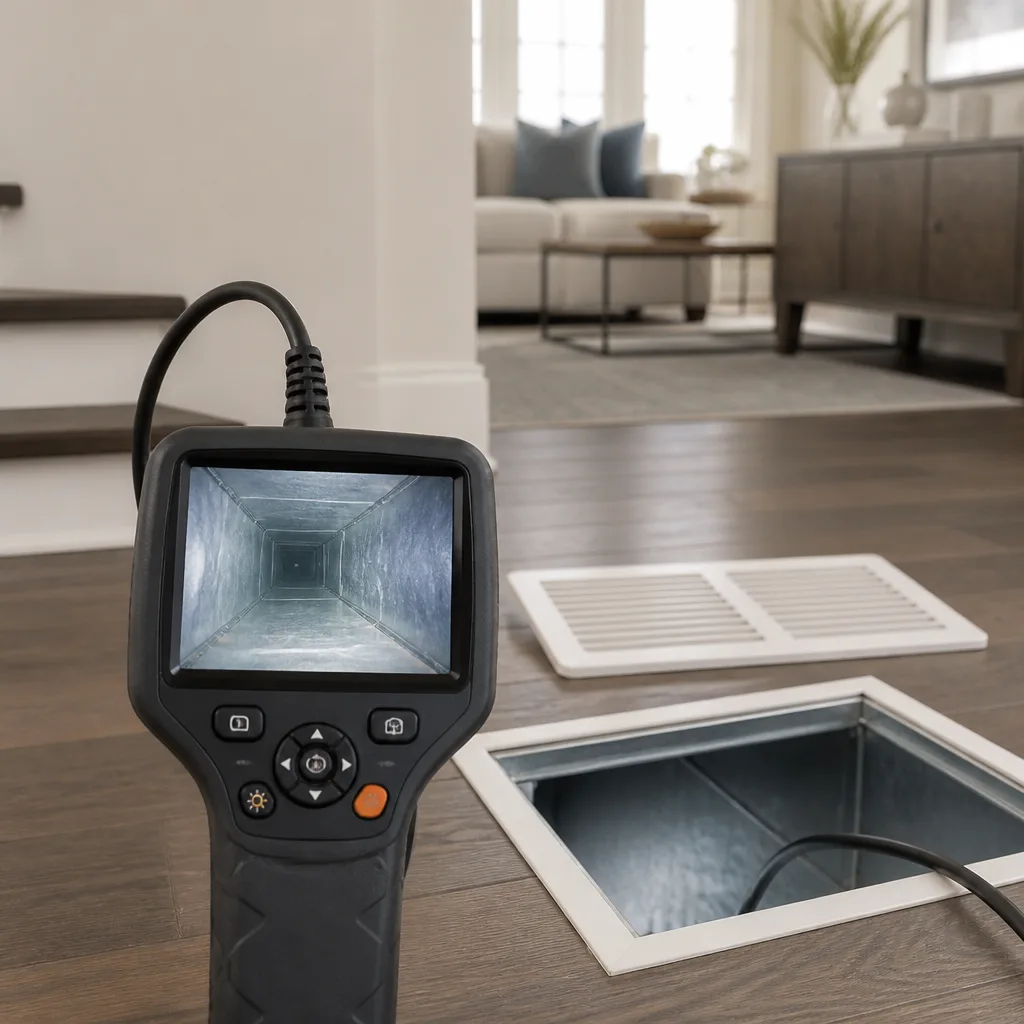 Camera inspection
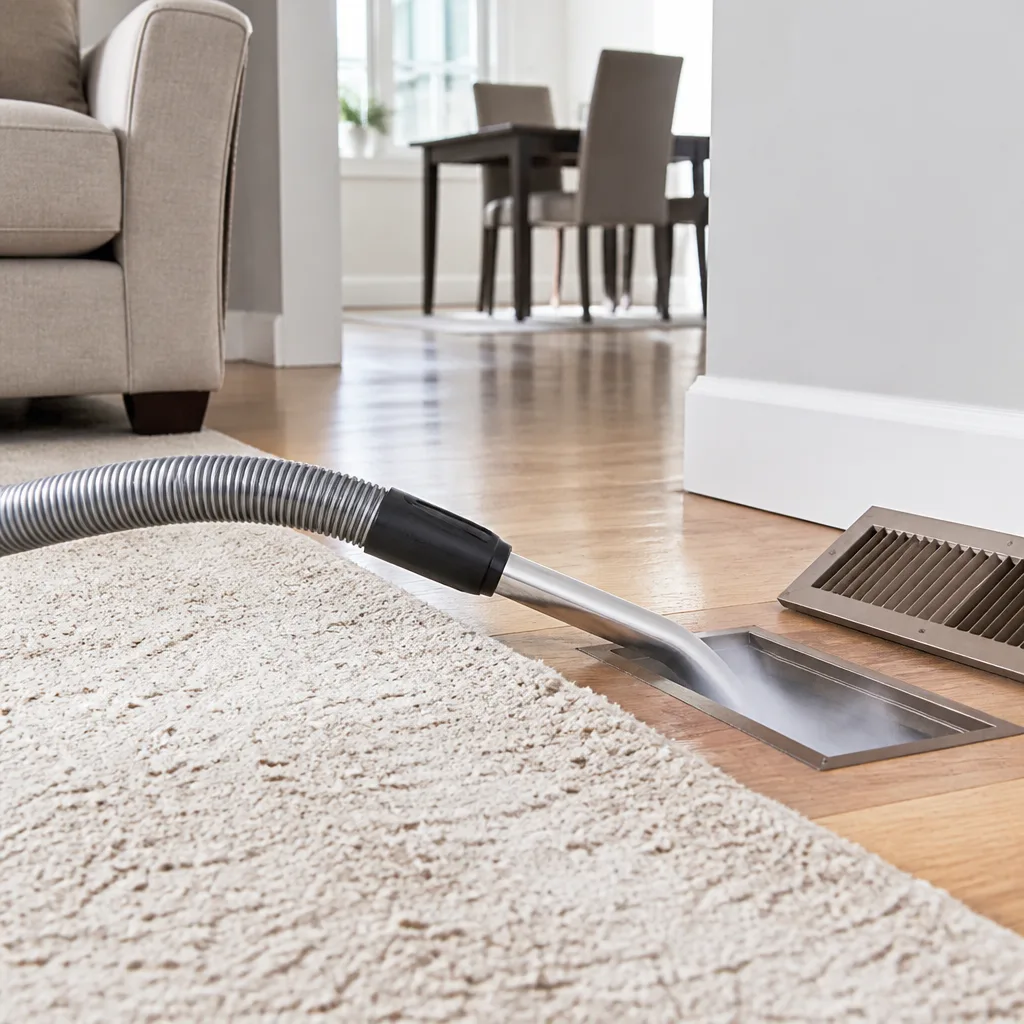 Sanitizing & deodorizing
Whole-system duct and dryer vent check with before-and-after photos - you see exactly what came out of your vents
That "$99 whole-house special" is a bait ad - the real number appears once they are in your hallway, or the "clean" is a shop-vac at the register. We photograph the inside of your ducts before and after instead.
Air Duct Cleaning Cost Breakdown: The Federal Way Homeowner’s Reference for 2026
Most quotes for air duct cleaning don’t fail on price. They fail on scope. A low number usually means someone plans to run a vacuum through your registers for two hours and hand you a receipt, and a high number usually means a crew with real equipment plans to take apart your whole system, clean it, verify it, and document it. We’ve watched homeowners in Federal Way get burned by both the cheap quote and the padded one. This guide takes you through what a real cleaning costs in Federal Way in 2026, what each dollar actually buys, and how to read a quote line by line so you can tell the difference before anyone shows up.
Quick Answer
Air duct cleaning in Federal Way in 2026 runs roughly $350 to $650 for a standard home in the 1,500 to 2,500 square foot range, based on register count rather than square footage alone. Full-system jobs with camera inspection, negative pressure verification, coil cleaning and register-by-register documentation typically land between $700 and $1,200. Quotes under $250 almost always leave out scope items that matter, and the written estimate should always set the final price.
Styles & brands we work with
- Whole-home duct cleaning
- Dryer vent cleaning
- Camera inspection
- Sanitizing & deodorizing
Table of Contents
- Why Duct Cleaning Quotes in Federal Way Vary So Much
- Cost Per Register: The Honest Pricing Unit
- 2026 Price Ranges by Home Size and System Type
- Add-On Services: What They Cost and When They’re Justified
- Federal Way Home and Climate Factors That Affect Labor
- How to Read a Duct Cleaning Quote Line by Line
- What Real Equipment Looks Like on the Job
- The Full-System Cleaning Process, Step by Step
Why Duct Cleaning Quotes in Federal Way Vary So Much
Two quotes for the same house can be $199 and $1,150, and neither is necessarily a scam on its face. The difference comes down to what the crew plans to do, what equipment they’ll bring, and how many labor hours the job actually takes. A shop-vac rig and one technician may finish in 90 minutes. A truck-mounted or trailer-mounted negative-pressure system with a rotating agitation brush and camera inspection takes four to six hours on the same house. That hour difference is the price difference.
In Federal Way specifically, the housing stock adds real variation. Homes built between the 1970s and 1990s in neighborhoods like Twin Lakes and Redondo often have original fiberboard ductwork in the crawlspace, which cracks at seams and requires slower, gentler cleaning than modern sheet metal. Homes up around Federal Way’s Camelot and Adelaide areas with flex duct runs need a different brush head entirely. We’ve also seen plenty of two-story homes in Federal Way where the return air trunk runs long distances through conditioned and unconditioned space, and long trunks mean long cleaning time.
The honest way to look at it: a $199 quote on a 2,400 square foot Federal Way house with twelve registers tells you the company intends to spend about 20 minutes per register at most, which isn’t enough for anything beyond surface debris. A $1,200 quote on the same house tells you someone is either doing thorough work or padding scope. The sections below explain how to tell which one you’re looking at.
Cost Per Register: The Honest Pricing Unit
Register count is a better pricing unit than square footage because registers dictate the number of branch runs, and branch runs dictate how many times a technician has to move equipment, remove a cover, clean a run, and reinstall. A 2,000 square foot open-plan house with eight registers is a smaller job than a 1,600 square foot house with fourteen registers. Square footage misses that. Flat-rate whole-house pricing misses it too, which is exactly why flat-rate quotes are often padded on small systems or under-scoped on large ones.
Here’s how register count typically maps to 2026 Federal Way pricing:
- Up to 8 registers: $300 to $450 for a standard clean
- 9 to 12 registers: $400 to $600
- 13 to 16 registers: $550 to $750
- 17 to 22 registers: $700 to $950
- 23+ registers (large or light-commercial): $900 to $1,400+
Each additional register beyond the base adds roughly $35 to $55. That covers cleaning the supply and return runs, the register box, the cover itself, and the trunk line where it connects. If a company won’t tell you their per-register rate before the visit, that’s a signal they plan to build the price on site. A written per-register rate in the estimate protects you.
One more thing to watch: some companies quote per “vent” but only mean the visible register cover, not the branch run. That’s a bait-and-switch framing. A vent clean in this trade means the run from the trunk to the room, cover included. Ask them to spell that out in writing.
2026 Price Ranges by Home Size and System Type
Use this table as a starting range for Federal Way homes in 2026. Prices assume a standard residential system with a crawlspace or attic trunk, one air handler, and no heavy renovation dust or pest contamination. Unusually dirty systems land at the high end or above.
- 1,000 to 1,500 sq ft, 6 to 9 registers: $300 to $500
- 1,500 to 2,000 sq ft, 9 to 12 registers: $400 to $600
- 2,000 to 2,500 sq ft, 12 to 15 registers: $500 to $750
- 2,500 to 3,200 sq ft, 15 to 19 registers: $650 to $950
- 3,200+ sq ft, 19+ registers: $850 to $1,300
- Light-commercial (small office, retail, clinic): $1,000 to $2,500 depending on system layout
What pushes a quote above the midpoint in Federal Way:
- Fiberboard ductwork that needs partial removal and rewrap before cleaning
- Two-system homes (one for upstairs, one for downstairs) that need two separate negative-pressure setups
- Crawlspace access under 24 inches, which slows every move
- Renovation dust from recent remodeling, which requires multiple passes
- Pest or rodent contamination that calls for sanitizing after cleaning
What should pull a quote below the midpoint: single-story homes with short trunk runs, easy attic access, modern rigid sheet metal, and less than 1,500 square feet. If a Federal Way home in that category gets a quote over $800 with no add-ons, ask what’s driving it. Sometimes there’s a legitimate reason. Sometimes it’s padding.
Add-On Services: What They Cost and When They’re Justified
Air duct cleaning is often sold as the entry point, and the profit is made on add-ons. Some add-ons are genuinely necessary. Others get offered whether you need them or not. Here’s what each one actually costs and when it earns its place.
Sanitizing and air quality treatment
Typically $150 to $400 as a line item. Justified when there’s confirmed microbial growth (usually visible at the coil or in the return plenum), rodent contamination, or a confirmed mold issue in the system. Not justified routinely after a clean house with no moisture issue. We use Abatement Technologies air filtration equipment for sanitizing work because standard fogging without filtration control pushes particles around instead of removing them.
Duct repair and sealing
Typically $200 to $600 depending on the number of failed seams and the accessibility. Justified on almost every home over 20 years old where we find disconnected joints or torn flex runs, both common in Federal Way crawlspaces. Duct sealing pays for itself in system efficiency and stops dirty crawlspace air from pulling into supply runs. Skipping it means resealing within two years anyway.
Dryer vent cleaning
Typically $125 to $250 as a standalone service, often $75 to $150 when bundled with a duct cleaning. Justified for every household once the vent run exceeds a couple of years without cleaning. This is the one add-on we’d push hardest on because lint accumulation in a dryer vent is a real fire hazard, and Federal Way homes with long vertical dryer vent runs up through the wall cavity are the highest-risk layout.
Coil cleaning
Typically $150 to $350 depending on whether the coil is an evaporator (indoor, harder to reach) or condenser (outdoor). Justified when the coil is visibly dirty, when airflow has dropped, or when the system serves a home with pets or smoking indoors. A dirty evaporator coil restricts airflow across the whole system and stresses the blower.
If a company offers all four of these on a home that shows no signs of any of the conditions above, ask why. A legitimate technician will point to what they actually see. If they can’t, they’re selling.
Federal Way Home and Climate Factors That Affect Labor
Federal Way sits between Puget Sound and the Cascade foothills, which means our climate wrings moisture out of the air for eight or nine months of the year. That single fact shapes nearly everything about ductwork in Federal Way homes.
Moisture in the ducts is the biggest driver of extra labor. Older fiberboard ducts in Federal Way crawlspaces absorb moisture at failed seams and start to break down into a paper-like dust that settles on every surface downstream. Cleaning these without dislodging more material takes slower brush speeds and multiple passes. In our experience, a Federal Way home with original fiberboard ductwork takes 30 to 60 percent longer to clean than the same size home with rigid metal.
Flex duct prevalence is the second factor. Homes in Federal Way built after the 1980s often use insulated flex runs, which are fast to clean but easy to damage with the wrong brush. A technician with the correct soft-bristle or nylon-whip tool can move through them quickly. A technician with a shop-vac and a rigid head either skips them or tears them. Ask what tools they’ll run through flex.
Third factor: crawlspace access. Every Federal Way crawlspace is different, some are 20 inches clear, some are five feet. Access height drives how fast the crew can set up negative pressure and move between trunks. Tight crawlspaces add an hour to two hours depending on the layout.
None of these factors are negotiable. A company that prices Federal Way homes with a generic square-foot formula is ignoring the things that actually drive the work.
How to Read a Duct Cleaning Quote Line by Line
Legitimate quotes have a specific shape. Here’s what a proper quote includes and how to spot one that doesn’t.
- Register count stated up front. The quote names how many supply and return registers will be cleaned. If it says “whole house” with no count, ask them to count.
- Per-register or per-run rate. Even if the total is fixed, there’s a per-unit rate behind it. Ask for it.
- Negative pressure method stated. A real quote says what kind of vacuum they’ll use. Truck-mount, trailer-mount, or ducted negative pressure unit. A shop-vac isn’t equipment in this context.
- Camera inspection included or not. Many quotes don’t include a camera walk-through. If it’s not in the quote, you’re not getting it.
- Register covers removed and reinstalled. Sounds obvious but plenty of crews clean through the cover.
- Blower motor and coil cleaned or excluded. Even a light blower clean is worth having. Confirm what’s included.
- Any add-ons listed separately with their own price. Sanitizing, sealing, dryer vent, coil: each should have its own line, not be lumped in as “extras.”
- Before-and-after photos included. A real quote commits to documentation. Ask them to put it in writing.
Red flags: a quote that lists only one price with no breakdown, a quote built around a coupon, or a quote that includes add-ons already bundled without explaining why. Also watch for “free inspection” that turns into a same-day sales pitch with a bigger scope and a bigger number once the technician is at the door. That pattern is why our industry has a trust problem, and it’s why we don’t do it. One flat price per system, agreed before work starts.
What Real Equipment Looks Like on the Job
Equipment quality is the least visible and most consequential part of the quote. Here’s the practical difference between the tools professional cleaners use and what gets passed off as duct cleaning.
- Rotobrush systems: agitation and extraction in one pass. The brush size adjusts to the duct diameter, the extraction head follows the brush, and the crew sees what comes out in real time. Standard for abatement and restoration contractors, not typical of entry-level duct cleaning.
- Nikro vacuum systems: high-flow negative pressure units that hold the duct under vacuum during cleaning. These are the workhorses for keeping dust from redistributing into the living space.
- Camera inspection rigs: a small camera goes through every branch run, sends live footage to a monitor, and records the state of the duct before and after cleaning. This is the difference between “we say we cleaned it” and “here’s what it looked like.”
- Abatement Technologies filtration and negative air units: used in sanitizing and air quality work. These hold HEPA-grade filtration on the exhaust from the duct during treatment so nothing redistributes into your living room.
A truck with a generic vacuum and a technician with one brush head will cost less to run. That’s the whole point. When a Federal Way homeowner asks us what the equipment difference means on their actual ducts, we show them. There’s a reason professional-grade gear costs what it does, and it’s not margin.
We use Rotobrush and Nikro on every duct job, and Abatement Technologies air filtration when sanitizing is part of the scope. That’s the equipment standard for real cleaning.
The Full-System Cleaning Process, Step by Step
Here’s what a proper full-system clean looks like. Federal Way Air Duct Cleaning Co runs this sequence on every job, but any legitimate cleaning company should be following a similar path.
- Walkthrough and register count. Every register is counted, every trunk is mapped, and any visible issues (water damage, disconnected joints, pest sign) are noted before work begins.
- System setup under negative pressure. A high-flow vacuum connects to the main trunk so the entire system stays under negative pressure throughout. Dust can’t escape into the living space because the air is always moving toward the vacuum, not away from it.
- Register covers removed. Each cover comes off, gets washed separately, and is set aside. Cleaning through the cover doesn’t count.
- Branch-by-branch cleaning. Rotobrush agitation with simultaneous extraction on every branch run. On flex, the appropriate brush head; on rigid metal, a firmer one; on fiberboard, the lightest setting with multiple passes.
- Trunk line cleaning. The main trunk gets the same treatment, with attention to the return air trunk where debris collects.
- Air handler and blower cleaned. The blower wheel and cabinet get wiped down. Coil cleaned if that’s in the scope.
- Camera inspection before and after. Every run gets a documented look. The before-and-after comparison is what proves the work.
- Covers reinstalled and system tested. Covers go back on, the system runs to confirm airflow, and the customer gets the documentation package.
On a typical Federal Way home, that whole sequence takes four to six hours. If a company says they’ll be done in two, they’re skipping steps.
For the air duct cleaning side of the scope in more detail, our air duct cleaning page covers the process and equipment. If dryer vent is part of the job, dryer vent cleaning explains the lint and fire-safety angle. For systems also needing blower and coil work, HVAC cleaning goes deeper on the mechanical side.
Common Mistakes to Avoid
- Accepting a quote without a register count. Square footage alone doesn’t tell you how many branch runs a crew will actually clean. A fourteen-register house and an eight-register house of the same size are different jobs with different prices.
- Being swayed by a coupon. A coupon price is a hook. The real number shows up on the invoice once the technician is inside on a Federal Way home with fiberboard ductwork and a tight crawlspace. Ask for the whole-system price up front, before anyone comes out.
- Skipping the camera inspection. Without before-and-after photos, you have no way to know whether the work happened. Ask for documentation as part of the quote.
- Treating sanitizing as automatic. Sanitizing has a legitimate role after pest contamination, water damage or visible mold. It’s not a default line item on a clean system. If someone’s selling it on every job, they’re upselling.
- Ignoring dryer vent in the same visit. Cleaning the dryer vent during a duct cleaning is faster and usually cheaper than coming back separately. Federal Way homes with long vertical vent runs especially shouldn’t skip it.
- Cleaning without addressing failed seams. A duct cleaning on a system with torn flex or disconnected joints is money half spent. Dirty crawlspace air will pull back into the supply runs within weeks. Repair and sealing have to be in the same scope or the cleaning doesn’t hold.
- Choosing on price alone. The cheapest quote and the most expensive quote often reflect the same thing: what the company expects you to accept. Judge on the process, the equipment, and the written scope.
See the difference
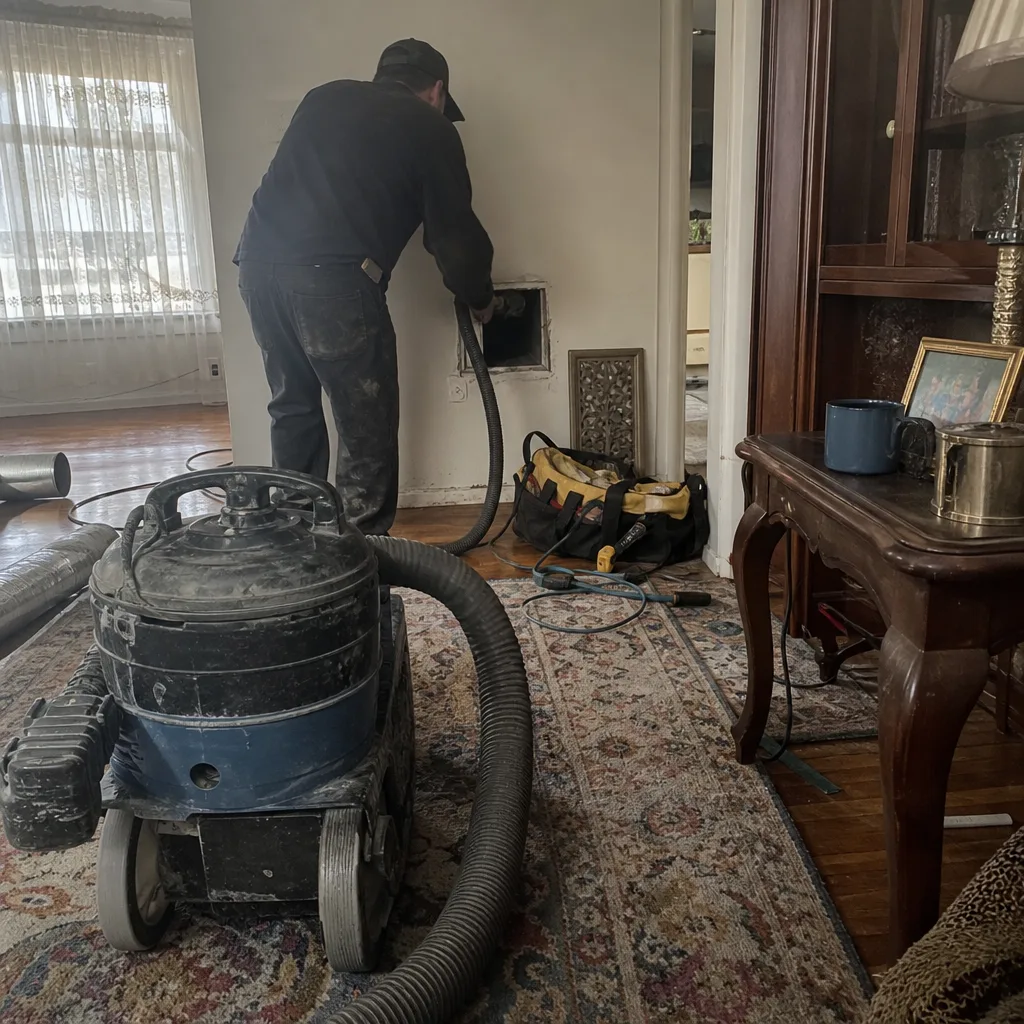 Before
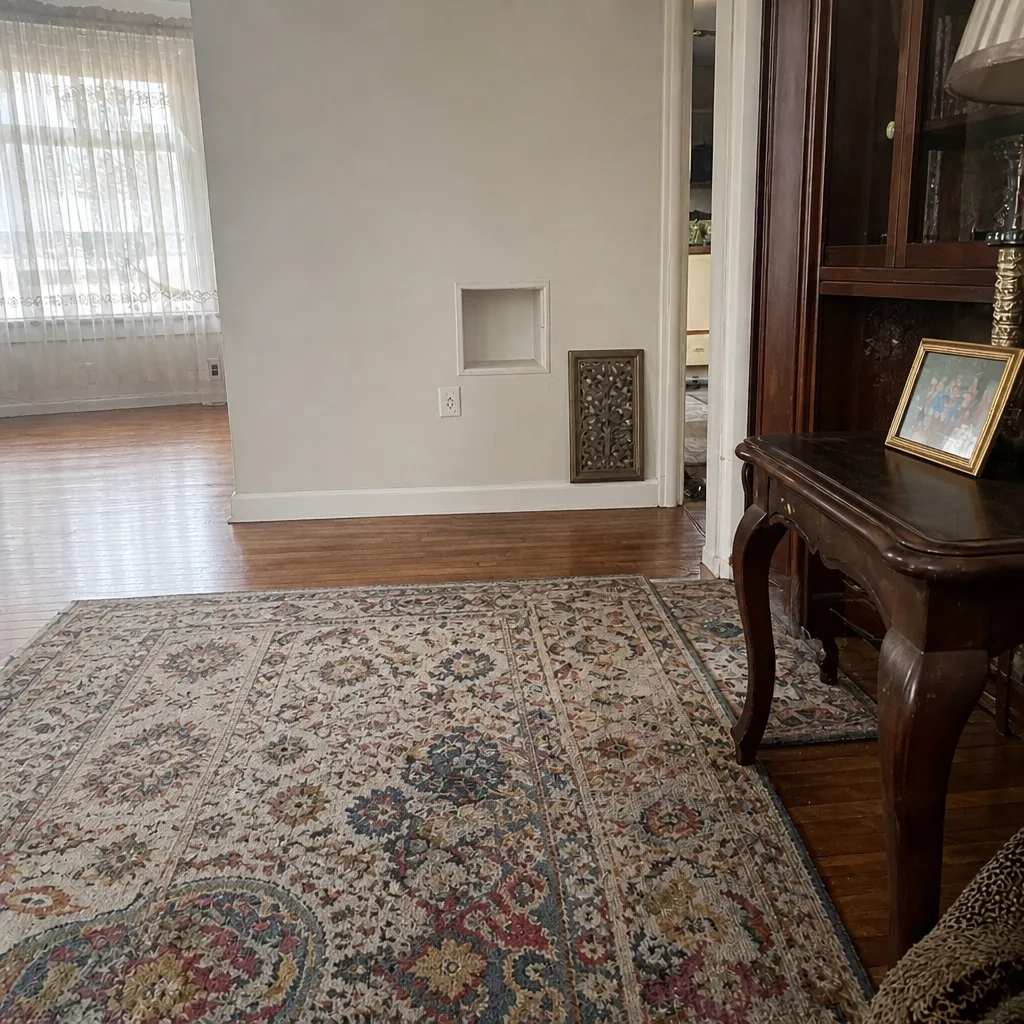 After
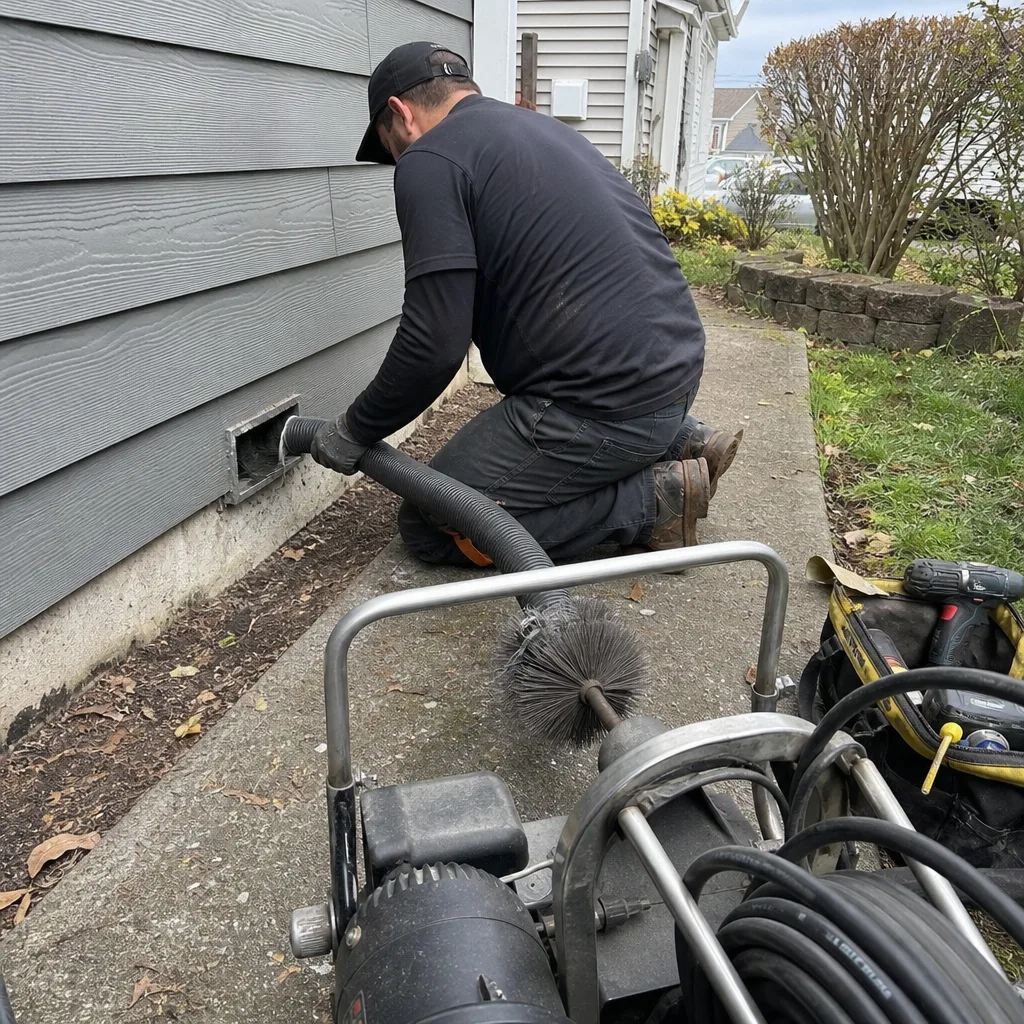 Before
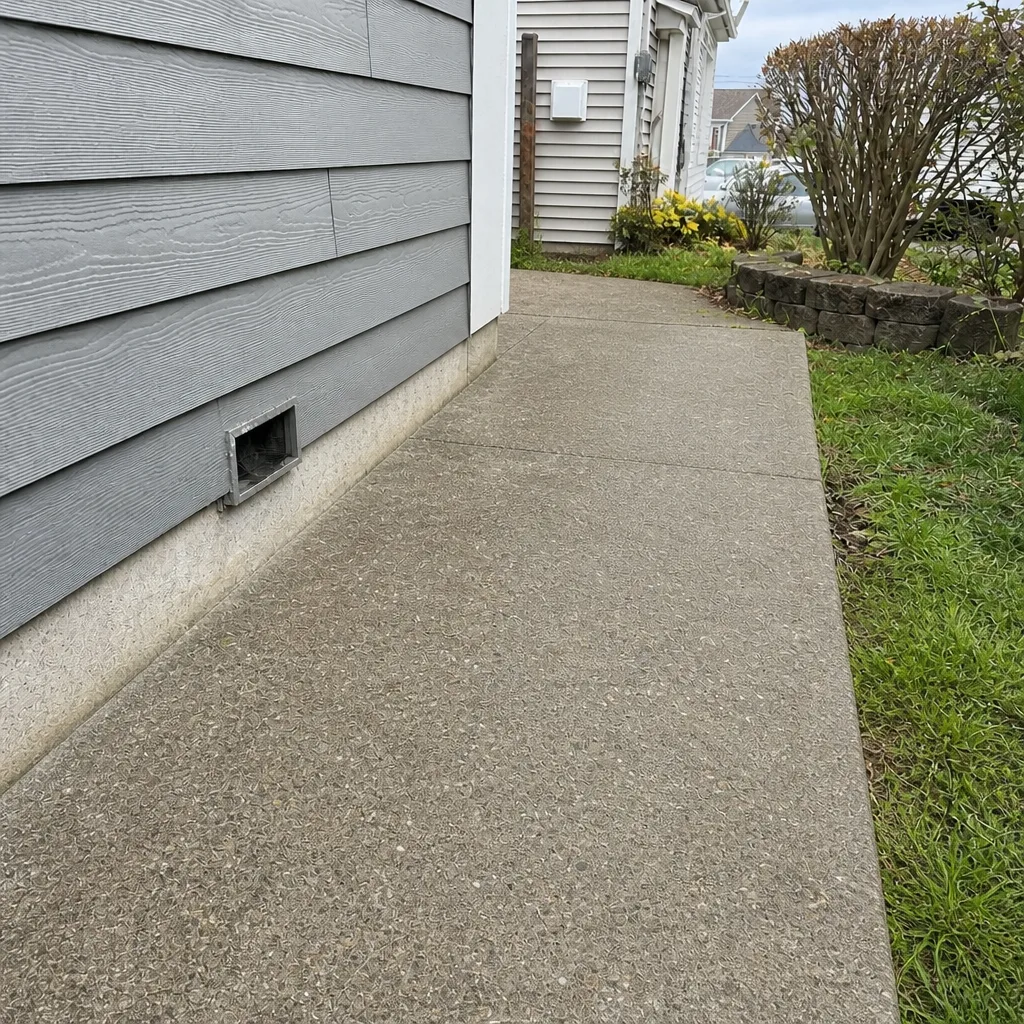 After
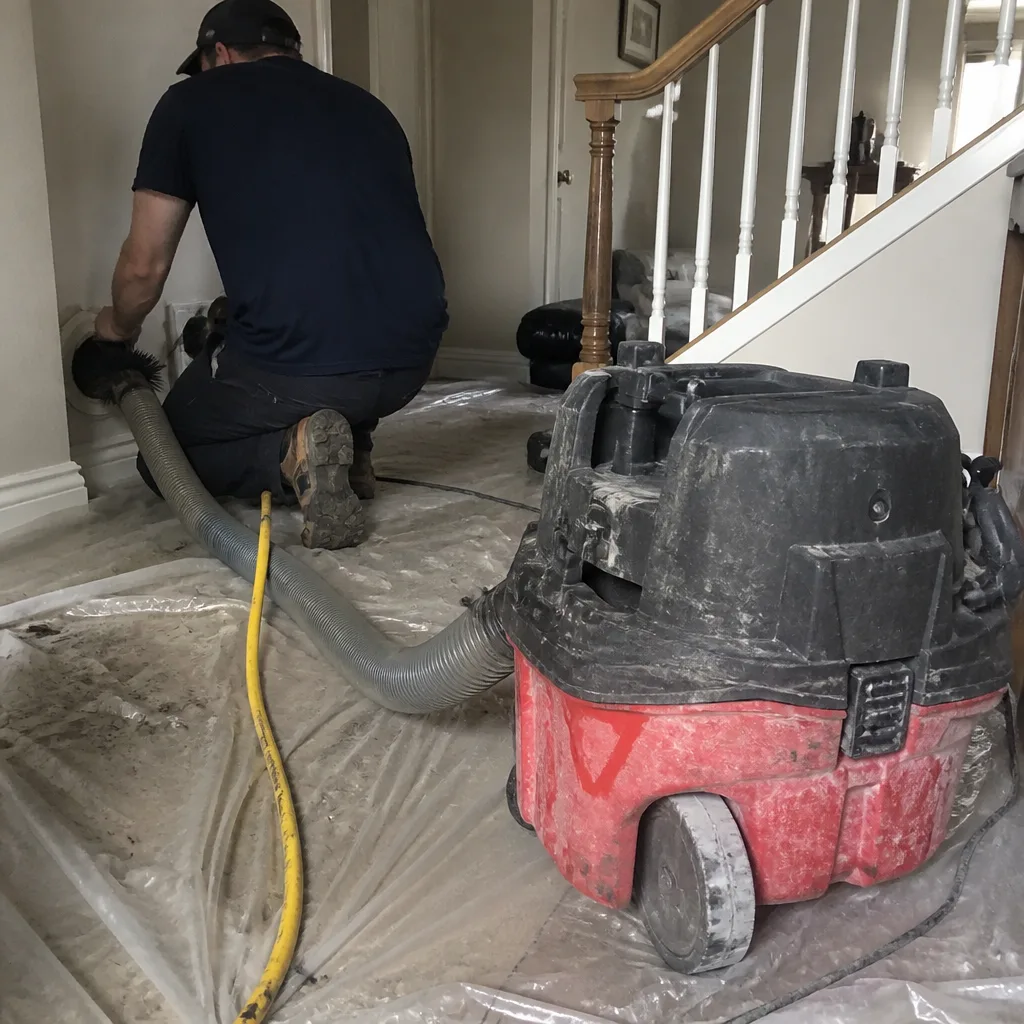 Before
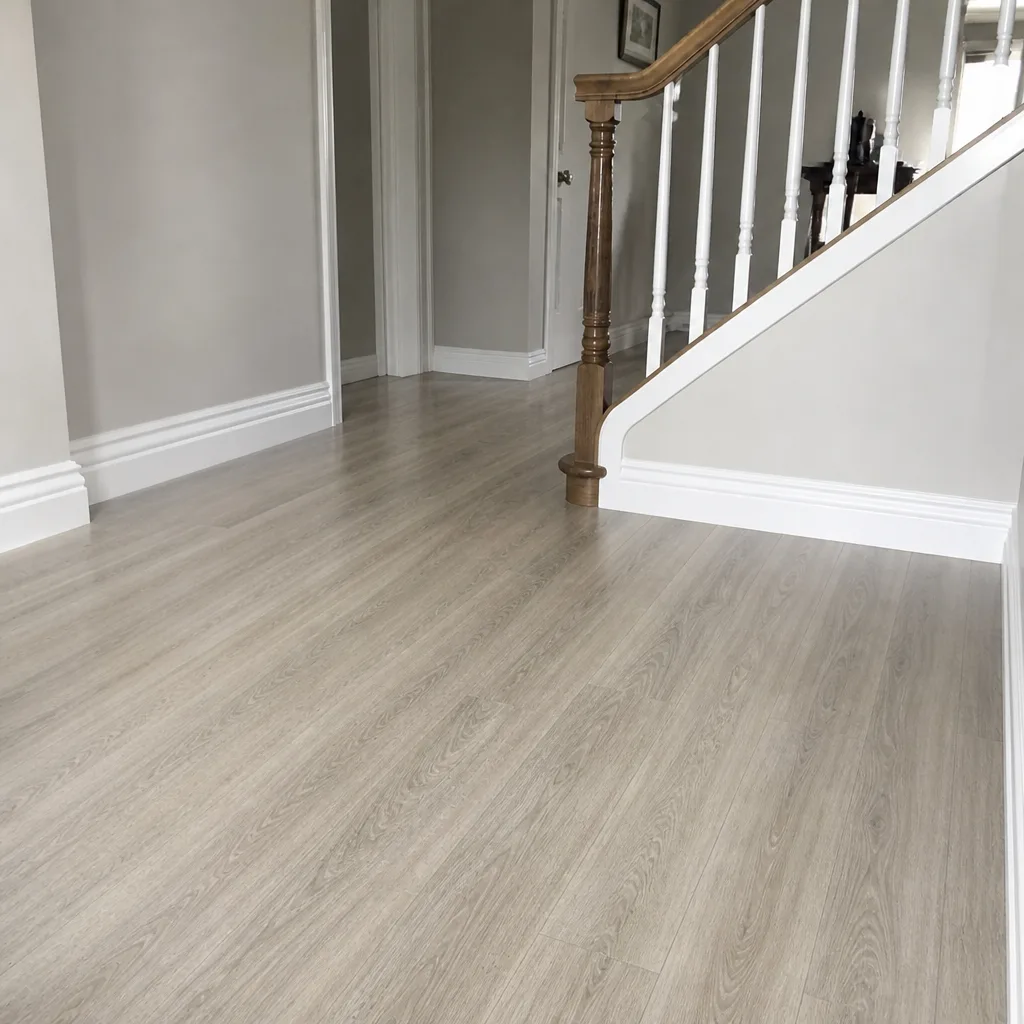 After
When to Call a Professional
Not every Federal Way home needs duct cleaning this year. Homes with modern sealed ductwork, no pets, no recent renovation, and no allergy complaint in the household can often wait. The signs that say call now: recent renovation dust, a musty smell when the system first kicks on, visible dust blowing out of registers, a household member with seasonal or year-round allergies that didn’t exist before, visible mold or water damage inside the ductwork or at the air handler, rodent activity in the crawlspace, a dryer that takes more than one cycle to dry a load, or ductwork that hasn’t been cleaned since the home was built and is now fifteen years old or more.
Federal Way Air Duct Cleaning Co offers free estimates in Federal Way. We work on the whole system: air ducts, dryer vents, HVAC and air handlers, duct repair and sealing, and air quality sanitizing. We use Rotobrush and Nikro equipment and stock Honeywell and Aprilaire system options if long-term air quality is part of what you’re after. Call (844) 625-7649. We answer 24/7. Fast dispatch from 7am to 7pm, Sunday through Friday.
Frequently Asked Questions
For a typical Federal Way home between 1,500 and 2,500 square feet, air duct cleaning runs $400 to $750 in 2026 for a standard whole-system clean. Full-system jobs with camera inspection, sealing, and coil work land between $700 and $1,200. The written estimate sets the final price. Call (844) 625-7649 for a free estimate.
Cheap quotes leave out scope. A $199 quote typically covers register covers only, with a shop-vac rather than a negative-pressure system, no camera inspection, and no trunk or air handler work. The gap isn’t margin, it’s labor hours and equipment. Ask any company quoting under $250 to write out what they don’t include. Then call (844) 625-7649 and we’ll walk you through a full-scope comparison.
Before-and-after camera photos of every branch run, plus an itemized report showing which registers were cleaned. That’s the standard. If a company doesn’t offer documentation, they’re either not doing thorough work or not prepared to prove it. Ask for photos as part of the written estimate, before work starts. For a documented estimate in Federal Way, call (844) 625-7649.
Every three to five years for most homes, sooner if there’s a renovation, pets in the house, a smoker, or water intrusion. Federal Way’s moisture-heavy climate can accelerate problems in older fiberboard ductwork, so homes with original ducts warrant a closer look every two to three years. When in doubt, get an inspection. A camera inspection answers the question cheaply. Call (844) 625-7649 for a free estimate.
A basic clean covers supply and return registers plus the visible trunk, usually with a vacuum rig. A full-system clean adds camera inspection, air handler and blower cleaning, coil cleaning if needed, register cover removal, and documentation. Full-system cleaning is the version that actually fixes air quality. We work on the whole system, so our estimate will show the real scope for your home. Call (844) 625-7649 for the estimate.
Yes, whenever failed seams or torn flex runs are present. Cleaning a system with air leaks means the crawlspace will reintroduce dust into the supply runs within weeks. Repair and sealing on the same visit is always cheaper than a second visit later. On older Federal Way crawlspace systems, disconnected joints are common enough that we check every one. Call (844) 625-7649 for a free estimate.
The Bottom Line
The federal way to read a duct cleaning quote is by scope, not headline number. A $199 quote and a $1,200 quote for the same house are describing two different jobs. In 2026, credible cleaning in Federal Way runs $400 to $750 for most homes, $700 to $1,200 for full-system jobs with camera inspection and add-ons, and the honest unit is cost per register, not square footage. Ask for a written per-register rate, ask for camera documentation, and ask what’s excluded. Add-ons like sanitizing, duct sealing and dryer vent cleaning are worth the line item when the condition justifies them. They’re padding when nobody can point to a reason. Pricing belongs in the written estimate, and that estimate should be free.
For the broader picture of the whole service and how the equipment and process fit together, see Federal Way Air Duct Cleaning Co. Call (844) 625-7649 for a free estimate. We answer 24/7. Fast dispatch from 7am to 7pm, Sunday through Friday.
Written by the team at Federal Way Air Duct Cleaning Co.