
Last updated November 25, 2026
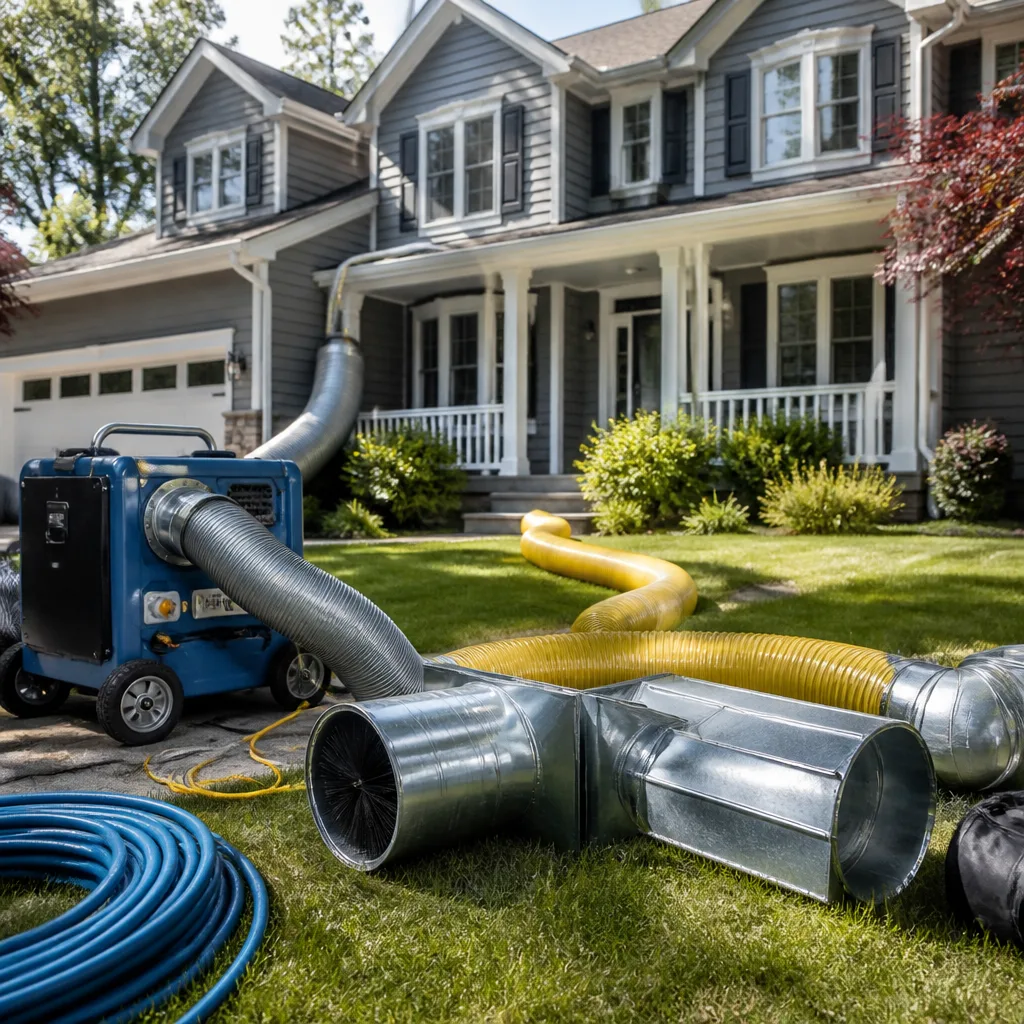 Whole-home duct cleaning
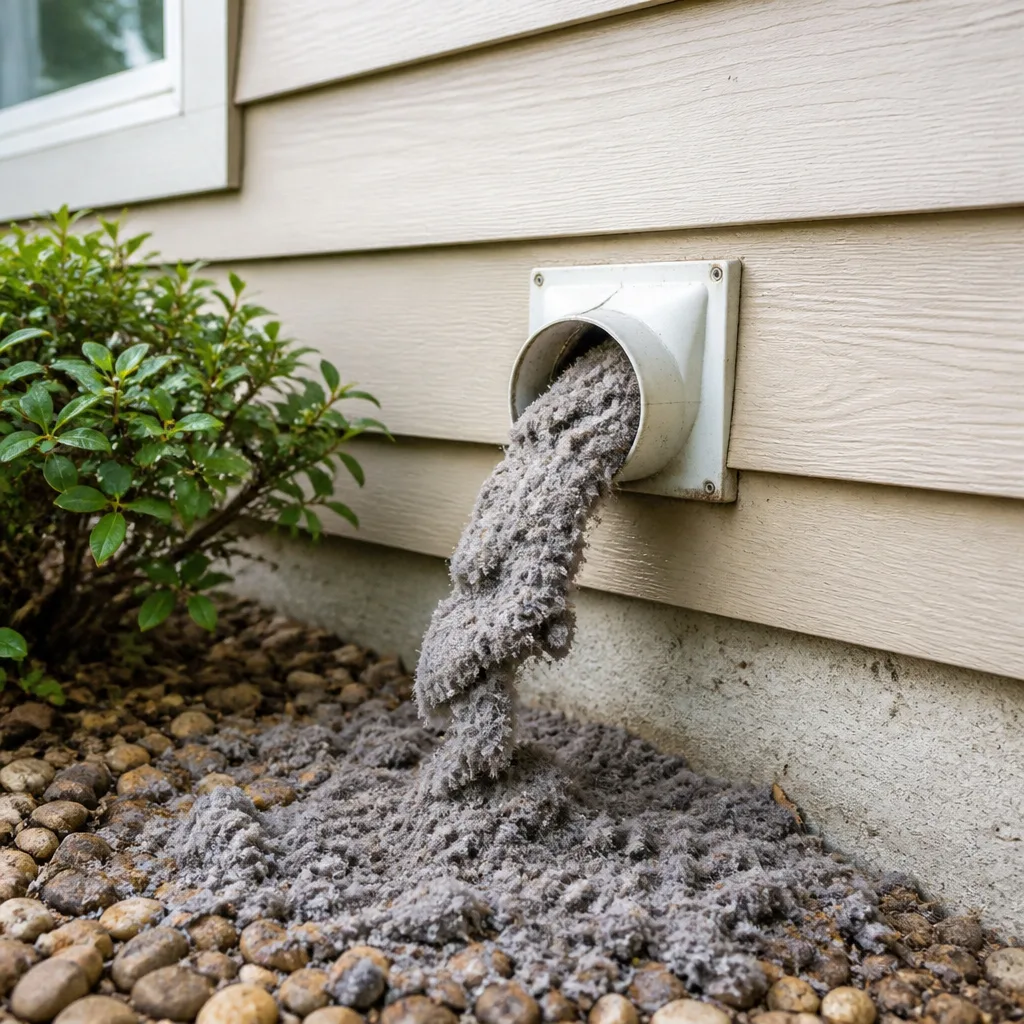 Dryer vent cleaning
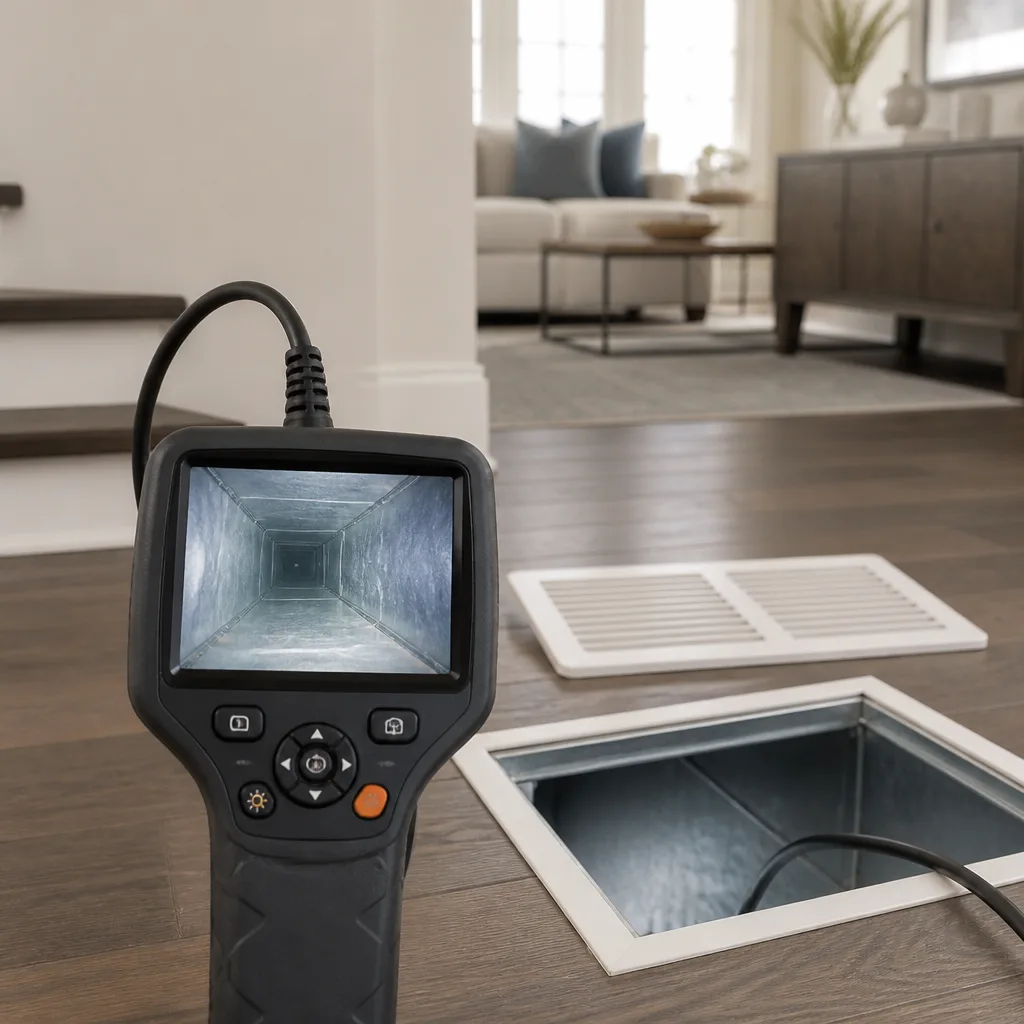 Camera inspection
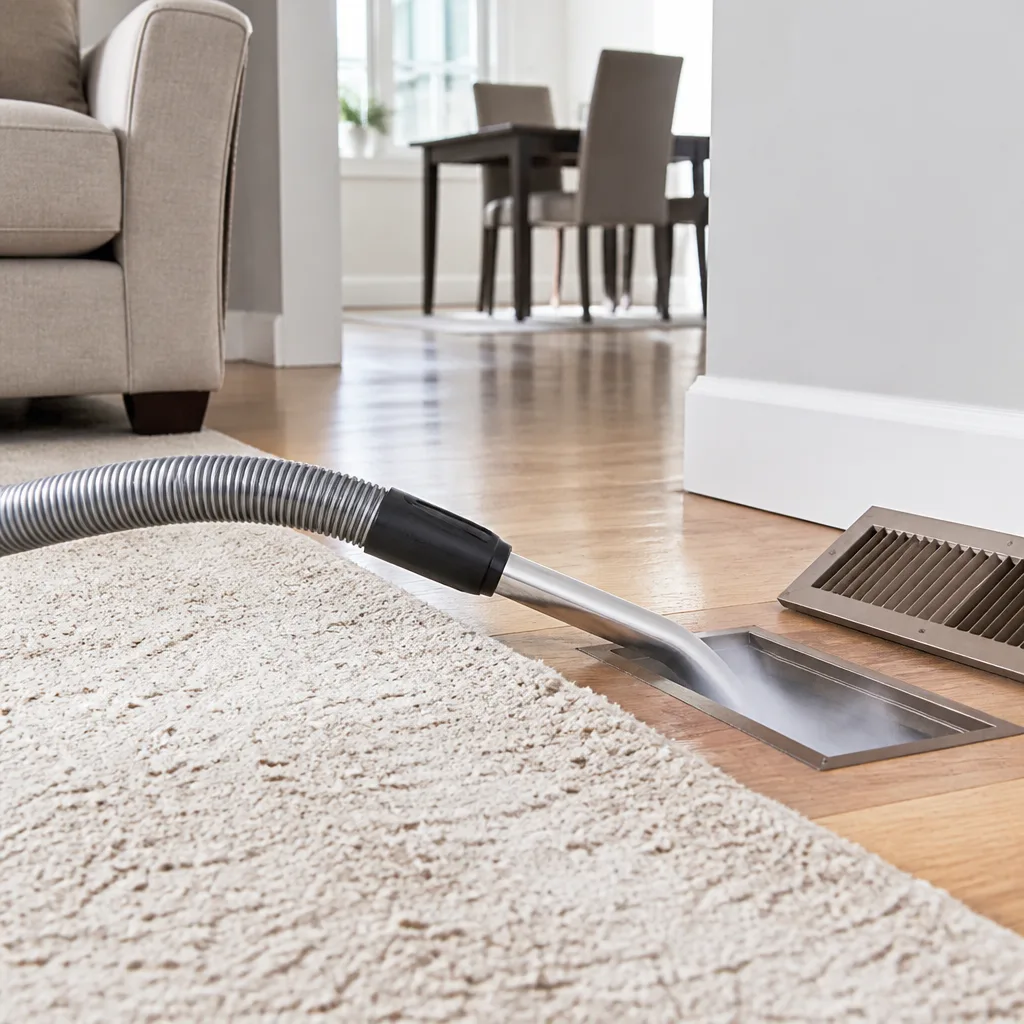 Sanitizing & deodorizing
Whole-system duct and dryer vent check with before-and-after photos - you see exactly what came out of your vents
That "$99 whole-house special" is a bait ad - the real number appears once they are in your hallway, or the "clean" is a shop-vac at the register. We photograph the inside of your ducts before and after instead.
Air Duct Cleaning Permits, Codes & Inspections in Federal Way, WA: What You Need to Know
Here’s the part most homeowners miss: the duct cleaning itself usually needs no permit in Washington. But a “cleaning visit” that turns into duct repair, sealing, or a replaced flex run can cross into work that does require a mechanical permit under state law. The obligation sits with the contractor doing the work, not with you to ask for a piece of paper. Yet if that paperwork never gets pulled, you’re the one holding the problem at resale or at claim time. This guide walks through what Washington’s mechanical code actually covers, how Federal Way’s permit process works, how to tell whether a contractor’s scope stays inside unpermitted territory, and the records to keep after any duct-adjacent repair.
Quick Answer
Air duct cleaning by itself does not require a permit in Washington, but duct repair, sealing that alters system configuration, component replacement, or any modification to air handler connections typically falls under the state mechanical code (WAC 51-52) and needs a mechanical permit pulled through Federal Way’s Community Development department before work begins. The permit is the contractor’s responsibility, and the inspection that follows is what protects your home at resale and with your insurer.
Styles & brands we work with
- Whole-home duct cleaning
- Dryer vent cleaning
- Camera inspection
- Sanitizing & deodorizing
Table of Contents
- What Washington’s Mechanical Code Covers
- Where Duct Cleaning Ends and Repair Begins
- Federal Way’s Local Permit Process
- How to Verify a Contractor’s Scope
- What Unpermitted HVAC Work Means at Resale
- The Documentation to Request and Keep
- Common Mistakes to Avoid
What Washington’s Mechanical Code Covers
Washington State adopts its mechanical code through WAC 51-52, which is the chapter that governs the installation, alteration, repair, and replacement of mechanical systems in buildings. That includes the ductwork that moves conditioned air through your home, not just the furnace or heat pump sitting in the mechanical closet. When people hear “mechanical code” they picture equipment. The code cares just as much about the distribution system.
The practical line is alteration versus maintenance. Cleaning is maintenance. Replacing a corroded section of flex duct, cutting in a new supply register, reconfiguring a trunk line to serve a remodeled room, or reconnecting the plenum to the air handler after a change – those are alterations, and alterations are what the code governs. In Federal Way, that distinction matters because the housing stock is a mix of older mid-century homes with original galvanized ductwork and newer construction with flex and rigid-board systems, and the alterations tend to follow the age of the house.
- Maintenance (typically no permit): mechanical cleaning, sanitizing, filter changes, access-panel installation for cleaning purposes.
- Alteration (permit usually required): replacing duct sections, adding or relocating registers, resizing trunk lines, reconnecting the air handler plenum, changing the system configuration.
- Replacement (permit required): swapping out a furnace, air handler, or heat pump – this is squarely mechanical permit territory.
We’ve walked into Federal Way homes where a previous contractor “cleaned and tidied up” the ductwork, and what we found was a modified plenum with no documentation anywhere. The homeowner never knew. That’s the gap this guide exists to close. If you want the plain-language version of what a proper cleaning involves, our air duct cleaning page covers the mechanical process from agitation to extraction.
Where Duct Cleaning Ends and Repair Begins
Duct cleaning is a closed process: negative pressure on the system, agitation of the interior surfaces, extraction of the dislodged debris, and verification with a camera or before-and-after photo set. None of that touches the configuration of your HVAC system. The equipment – the Rotobrush and Nikro agitation-and-extraction systems we run, for example – is designed to work inside the existing ducts without altering them.
Repair is different. When a technician seals leaking joints, replaces a collapsed flex run, or reconnects ductwork to the air handler, they’re changing the system. In our experience, the moment a job involves sealing that changes airflow characteristics or replacing a component, it’s no longer maintenance in the code’s eyes. That’s also the moment where unpermitted work starts accumulating in a house without anyone realizing it.
- Inspect and diagnose. The technician walks the system, identifies leaks, disconnected runs, crushed flex, or contamination sources.
- Determine the scope. Cleaning only, or cleaning plus repair or sealing?
- Decide on the permit. If the scope crosses into alteration, pull the mechanical permit before the work, not after.
- Perform the work. Cleaning, repair, sealing, and any air quality treatment as one documented job.
- Request the inspection. The city’s building inspector verifies the mechanical work.
- Collect the paperwork. Permit number, inspection record, and photo documentation all go in the homeowner’s file.
That’s the honest version of the process. Clean ducts are only part of the story. A duct system that leaks 20 percent of its conditioned air through unsealed joints is a separate problem from a dirty one, and only repair and sealing fix it. That’s why we work on the whole system rather than stopping at the vacuum.
Federal Way’s Local Permit Process
Federal Way handles building and mechanical permits through its Community Development department. If you’re the homeowner, you typically won’t be the one pulling the permit for duct-adjacent repair work – that’s the licensed contractor’s job. But you should know what the process looks like so you can ask the right questions before the work starts and confirm the permit was pulled afterward.
- Application: the contractor files for a mechanical permit, describing the scope of alteration.
- Review: the city reviews the application against the state mechanical code as adopted locally.
- Issuance: the permit is issued with a number tied to the property address.
- Work performed: the alteration happens under the permit.
- Inspection: a city inspector verifies the work before the permit is closed out.
Federal Way’s climate doesn’t hammer HVAC systems the way some regions do, but our wet winters keep ductwork in crawlspaces and attics under constant moisture pressure, which is why the duct system ages and why repair work is common. That’s also why so many Federal Way homes have had some prior duct modification that nobody documented – condensate damage, rodent intrusion, a previous remodel that added a register without a permit. A wet climate drives repair, and repair drives permit questions.
If you’re wondering whether your own job needs a permit, the safest move is to ask your contractor to confirm in writing whether the scope includes alteration. Most legitimate contractors will tell you plainly. Some won’t, and that’s usually the sign to ask more questions.
How to Verify a Contractor’s Scope
Verification is a five-minute conversation if you know what to ask. The goal is to confirm two things: that the contractor knows where the permit line sits, and that their written scope matches the actual work. If those two things line up, you’re in good shape.
- Ask explicitly: “Does any part of this job involve alteration to the duct system, and does that require a mechanical permit?”
- Read the scope of work. It should say “clean,” “sanitize,” or “repair and seal” – words that mean different things.
- Request their state licensing as required. Duct work and HVAC work in Washington are licensed trades; the local pro is licensed and insured as their state requires.
- Confirm the permit responsibility. If alteration is in scope, ask who pulls the permit and whether the inspection is included.
- Ask for the equipment list. Professional-grade equipment is a proxy for professional-grade process – the local pro should be able to name their systems.
- Get the estimate in writing. One flat price per system, not per-vent pricing, agreed before work starts.
We carry Rotobrush and Nikro because they’re what abatement and restoration contractors use, and we work with Honeywell and Aprilaire air quality product lines so repairs and sanitizing can be specified together rather than scattered across multiple contractors. Whether your job stays in cleaning territory or crosses into permitted repair, you get the same documented scope either way.
If you want to cross-check the broader picture, our HVAC cleaning page covers the process for the HVAC side of the system, which is where most permit-triggering alterations happen.
What Unpermitted HVAC Work Means at Resale
This is where the stakes get real. When you sell a home in King County, your buyer’s inspector is going to look at the HVAC system. If they find duct modifications, replaced equipment, or reconnected plenums with no permit record on file with the city, you’re looking at three possible outcomes: a request for retroactive permitting, a price concession, or a buyer walking away. None of those are pleasant.
Retroactive permitting is possible, and the work has to be inspectable when the inspector arrives. If the ductwork was sealed up behind drywall or buried in insulation during a previous remodel, inspection can mean exposing it again. That’s a cost that lands on the seller, not the contractor who skipped the permit years earlier. Most sellers never see it coming because the work was invisible at the time.
Insurance is the quieter problem. If a claim touches the HVAC system and the insurer discovers unpermitted alteration, coverage questions arise. It’s not an automatic denial, but it’s an argument you don’t want to have during an already stressful claim. A permit record closes that argument before it opens.
In Federal Way specifically, the mix of older neighborhoods and remodel-driven alterations means the resale inspection often surfaces issues that were invisible for years. If you’re planning to sell, walking the permit history of your HVAC system before listing is worth doing. And if the inspection reveals an issue, a documented repair with a proper permit is the cleanest resolution.
The Documentation to Request and Keep
The work doesn’t end when the technician leaves. What you keep afterward is what protects you at resale, with your insurer, or if a future contractor needs to understand what’s already been done. Here’s the documentation set we’d want a homeowner to retain after any duct-adjacent repair work in Federal Way.
- Permit number and inspection record: if a mechanical permit was pulled, keep the number and the passed inspection documentation.
- Scope of work in writing: what was cleaned, what was sealed, what was replaced, itemized.
- Before-and-after photos: your own ducts, not stock images. These are the proof that work happened.
- Equipment list: what systems were used, which tells a future inspector or buyer what kind of process was followed.
- Air quality treatment record: if sanitizing was performed, which product line was applied (Honeywell and Aprilaire systems show up here, and Guardsman-grade protective treatments when specified).
- The written estimate: one flat price per system, agreed before work, retained after. It ties the invoice to the scope.
We’ve seen jobs where the only record was a handwritten receipt with a first name and a total. Years later there’s no way to tell whether the work crossed into alteration or stayed in maintenance. The homeowner ends up guessing at resale. The documentation set above takes five minutes to assemble and prevents that guess.
Dryer vent work is often bundled into the same visit, and it has its own documentation case – dryer vent fires are a real risk category, and records of cleaning help. Our dryer vent cleaning page covers that side of the air-pathway scope.
Common Mistakes to Avoid
- Assuming any duct work is “just cleaning.” If the scope includes repair, sealing, or replacement, ask about the mechanical permit before work begins. The line sits at alteration, and the homeowner ends up owning the problem if the contractor skips it.
- Not reading the scope of work. “Clean and seal” can mean anything. Get the specific items listed in writing so you can tell what’s maintenance and what’s alteration.
- Skipping the permit history check before listing. Federal Way’s older neighborhoods often hide years of undocumented duct modifications. Walking the permit history before you list is far better than finding out during the buyer’s inspection.
- Accepting a verbal estimate. One flat price per system, in writing, agreed before work. Verbal pricing is where bait-and-switch starts.
- Not requesting before-and-after photos. If you don’t see images of your own ducts, you can’t verify the work was performed at all.
- Hiring on price alone. Equipment matters. Entry-level shop-vac rigs don’t provide the pressure or extraction that professional systems do, and the paperwork gap follows the same pattern.
- Tossing the paperwork. The permit record, the inspection, the photos, and the scoped estimate are the file that protects you at resale. Keep them together.
See the difference
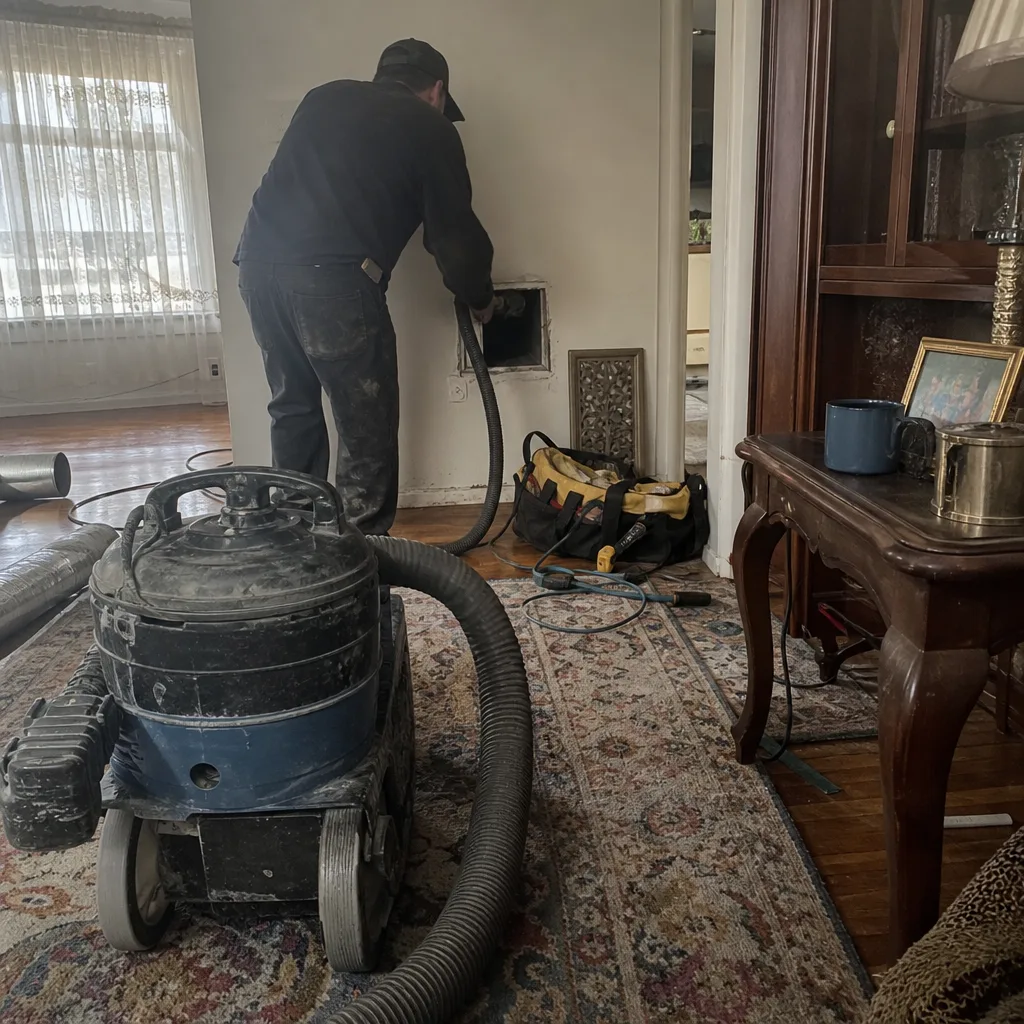 Before
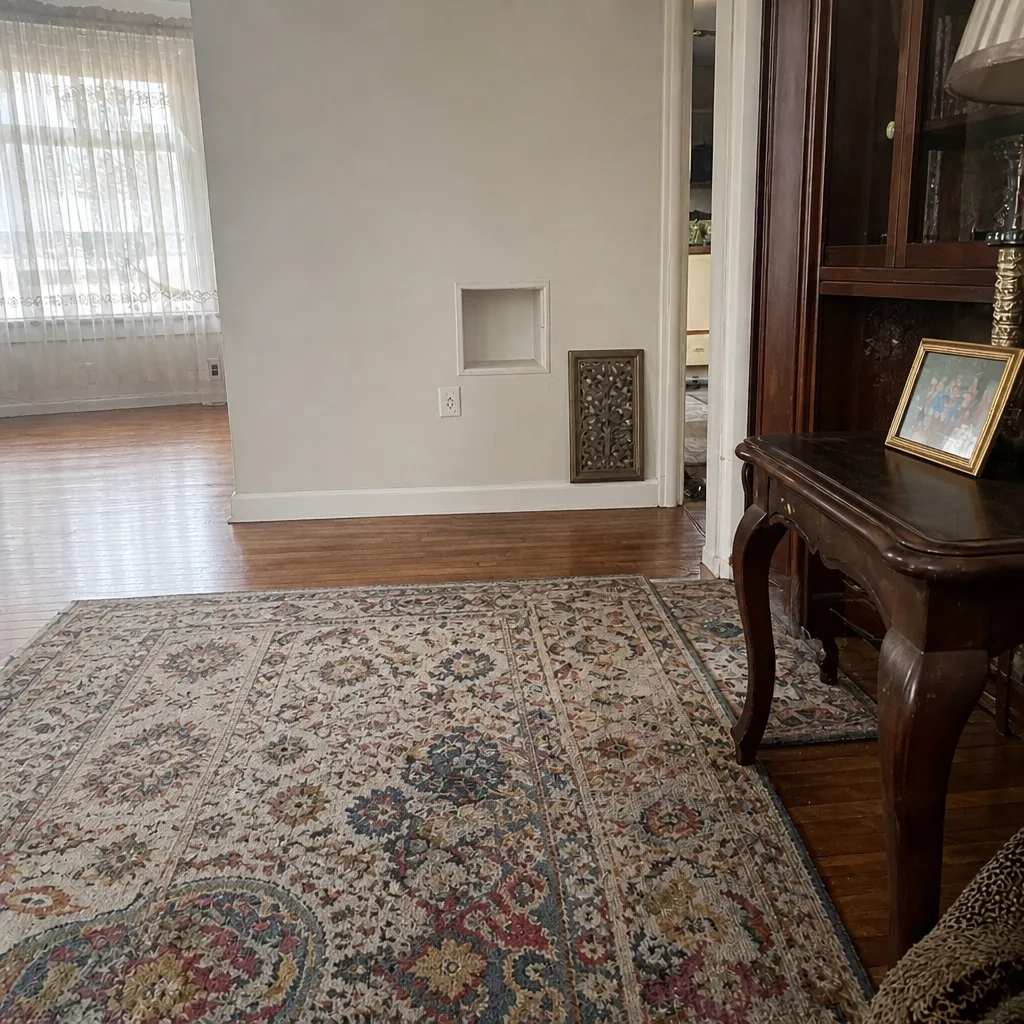 After
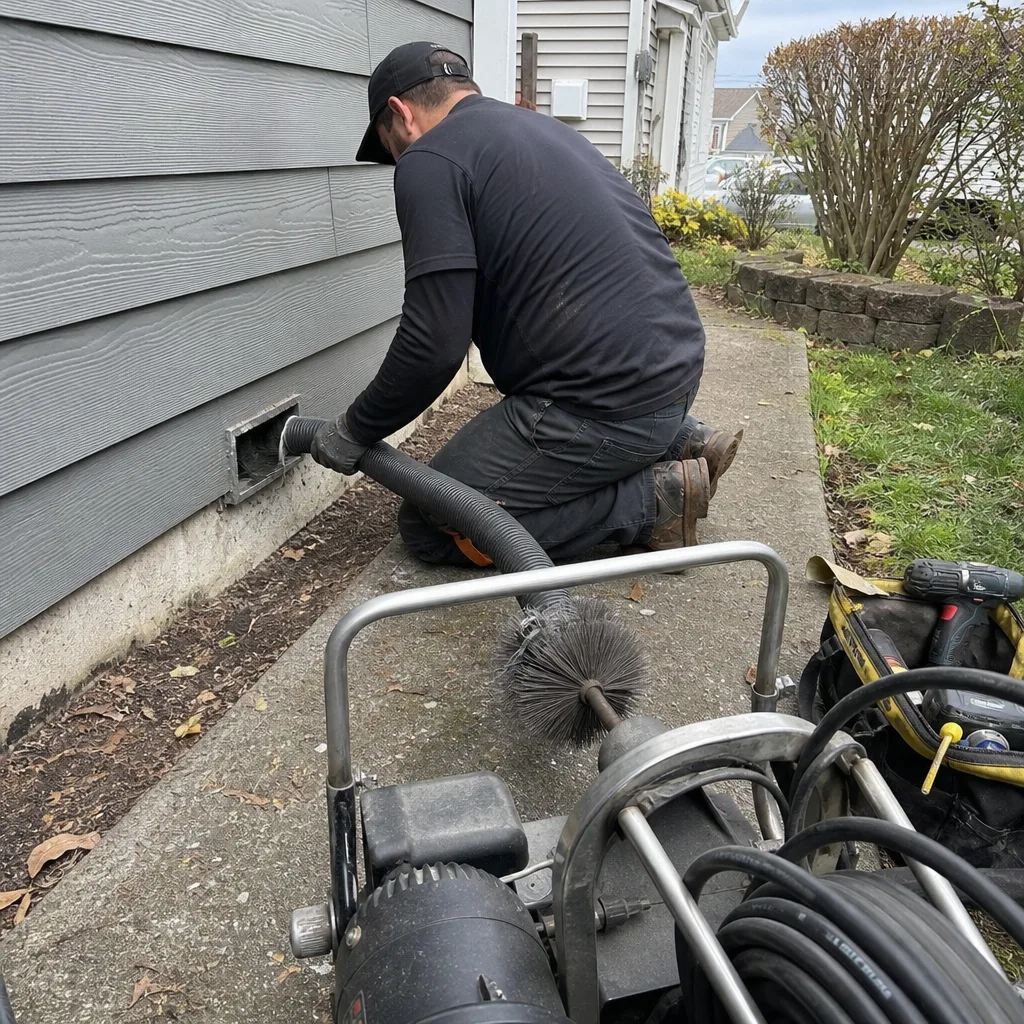 Before
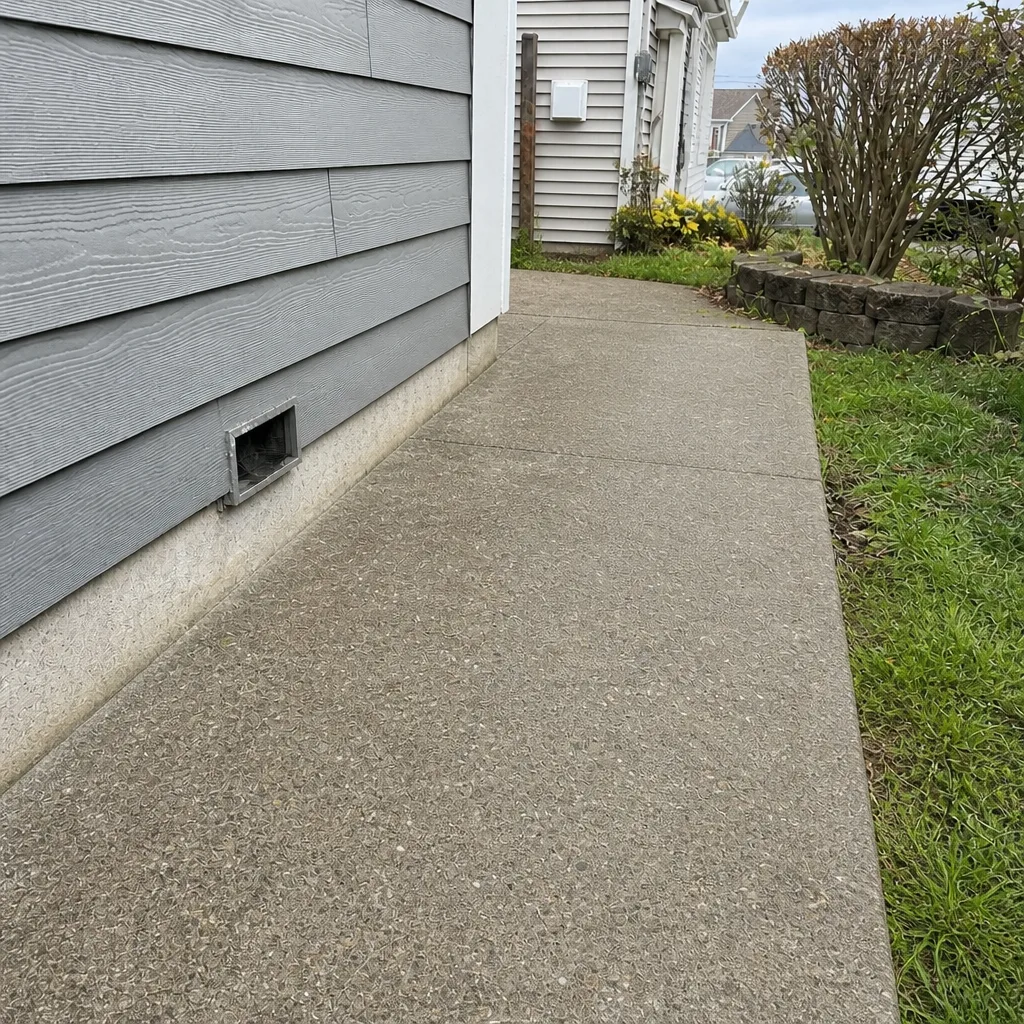 After
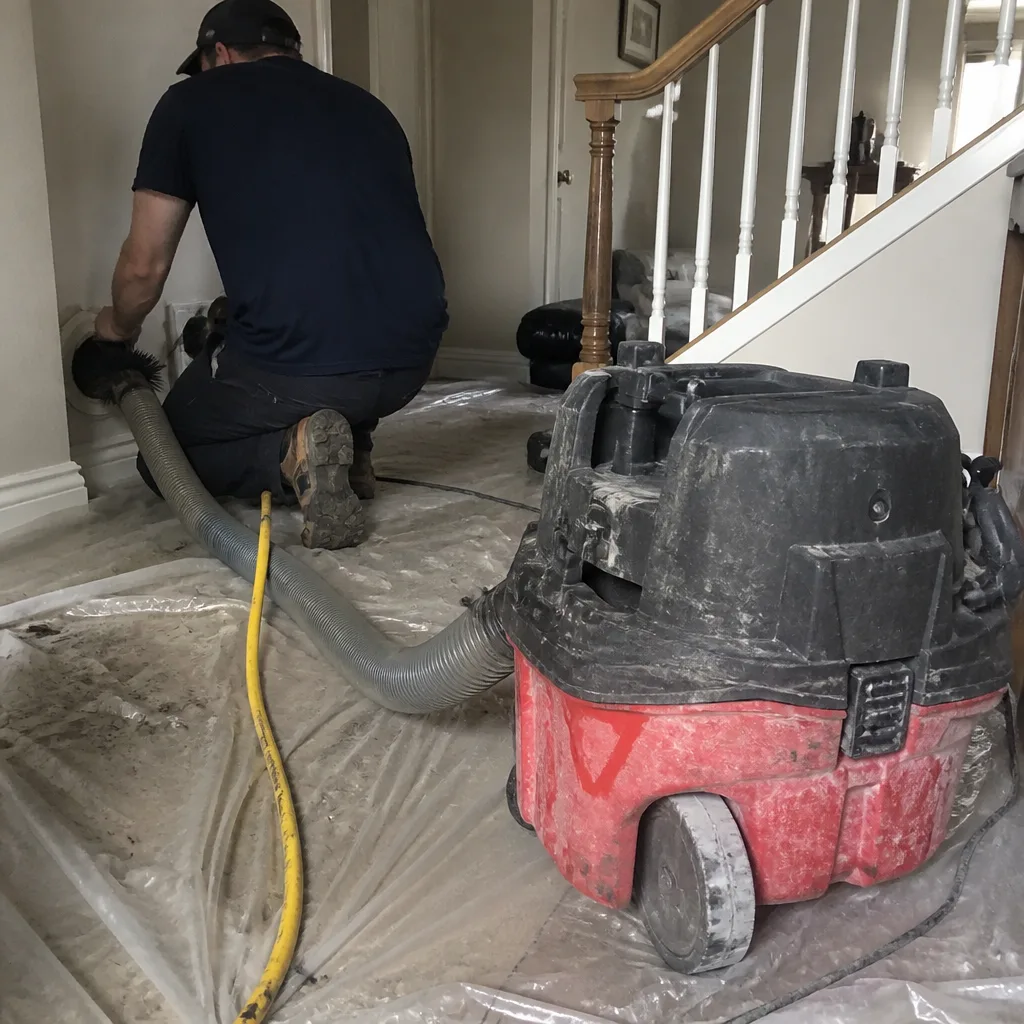 Before
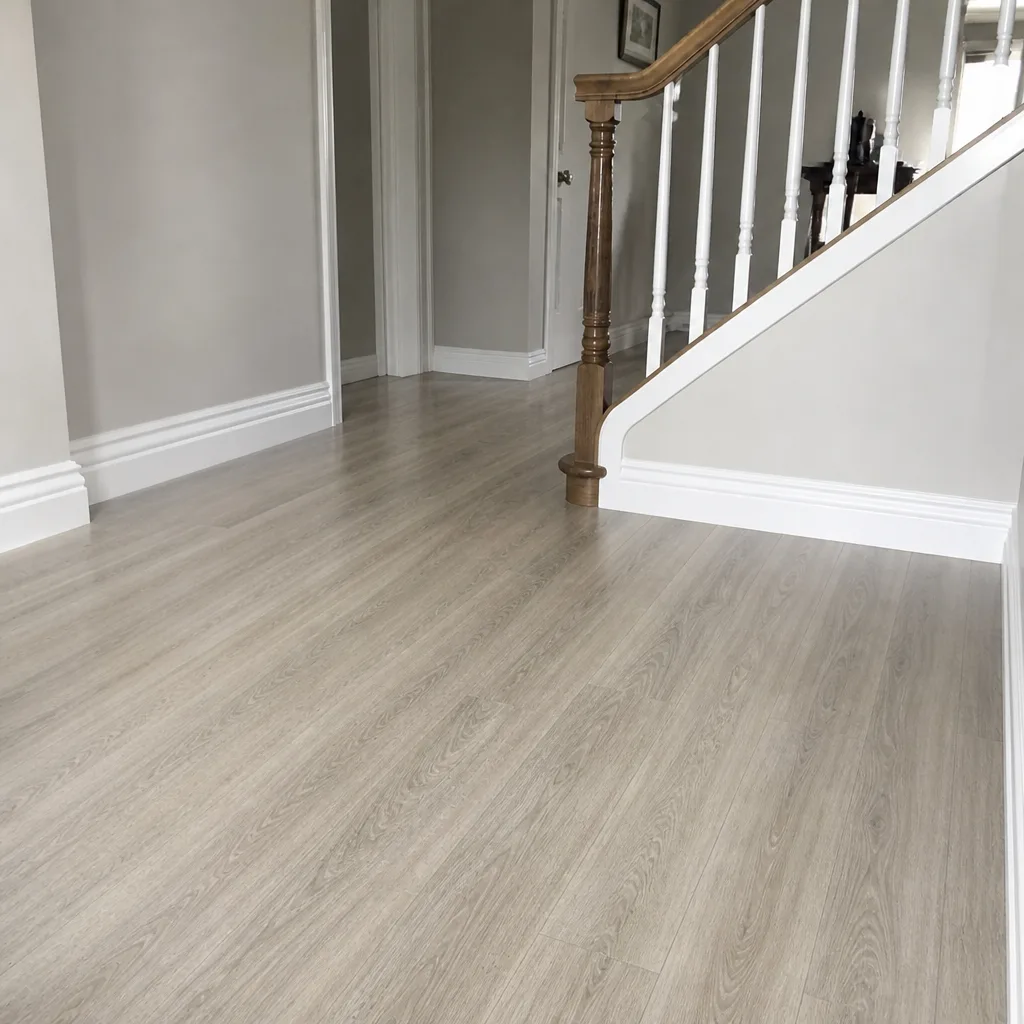 After
When to Call a Professional
The rule of thumb: if you’re unsure whether the job crosses the permit line, that uncertainty is the reason to call. Situations that clearly warrant a professional: a home you’re about to buy or sell where the HVAC permit history is unclear; visible duct damage, disconnected runs, or crushed flex; persistent allergies, dust, or air quality concerns that point to contaminants in the system; any planned alteration to ductwork or a furnace, heat pump, or air handler; and a dryer vent that hasn’t been cleaned on a reasonable schedule. Federal Way Air Duct Cleaning Co offers free estimates in Federal Way – call (844) 625-7649. We answer 24/7. Fast dispatch from 7am to 7pm, Sunday through Friday.
Frequently Asked Questions
No. Mechanical cleaning of ductwork is maintenance and does not require a permit in Federal Way or under Washington’s mechanical code. The permit question only arises when the scope crosses into alteration: replacing duct sections, sealing that changes system configuration, or reconnecting the air handler. Call (844) 625-7649 for an exact quote – estimates are free.
Pricing is set per system, not per vent, and the written estimate sets the final price after we’ve looked at the system. Whole-system cleaning with repair and sealing runs more than a basic cleaning because it involves more work and sometimes a permit. Call (844) 625-7649 for an exact quote – estimates are free.
Cheaper quotes usually mean cheaper equipment, a per-vent teaser price that grows once the technician is on site, or a scope that doesn’t cover repair and sealing at all. The honest answer is one flat price per system agreed before work starts, with before-and-after photos of your own ducts included. Call (844) 625-7649 for an exact quote – estimates are free.
WAC 51-52 is Washington’s adopted mechanical code, governing the installation, alteration, repair, and replacement of mechanical systems in buildings, including the ductwork that distributes conditioned air. It’s the code that sets the line between maintenance (no permit) and alteration (permit required) for duct and HVAC work in Federal Way. Call (844) 625-7649 for an exact quote – estimates are free.
Before-and-after photos of your own duct system, a written scope, the equipment list, and – if a permit was pulled – the inspection record. Ask for all four and keep them together. Call (844) 625-7649 for an exact quote – estimates are free.
Retroactive permitting is possible through Community Development, but it requires the work to be inspectable, which can mean exposing sealed ductwork. The cleanest resolution is a documented repair with a proper permit. Call (844) 625-7649 for an exact quote – estimates are free.
Every three to five years for most homes, more often after renovation, pet-heavy households, or when allergies are the concern. The Federal Way homes with older ductwork and crawlspace or attic runs often benefit from more frequent attention. Call (844) 625-7649 for an exact quote – estimates are free.
The Bottom Line
The permit line in Federal Way runs between cleaning and altering. Cleaning doesn’t need one; alteration does, and the contractor is the party who pulls it. For homeowners, the practical playbook is three moves: read the scope of work before work begins, ask directly about the mechanical permit if repair or sealing is on the list, and keep the documentation – the permit record, the inspection, the photos, and the written estimate. Do those three things and the resale and insurance questions take care of themselves. That’s what protects the air you actually breathe and the value you’ve built in the house.
Ready to look at your system? Call (844) 625-7649 for a free estimate. We answer 24/7. Fast dispatch from 7am to 7pm, Sunday through Friday. Federal Way Air Duct Cleaning Co connects Federal Way homeowners with vetted local professionals who bring professional-grade Rotobrush and Nikro equipment, work with Honeywell and Aprilaire systems, and document every job with before-and-after photos and a written scope. Start with our Federal Way Air Duct Cleaning Co home page to see the full range of air-pathway work we coordinate.
Written by the team at Federal Way Air Duct Cleaning Co.