
Last updated November 25, 2026
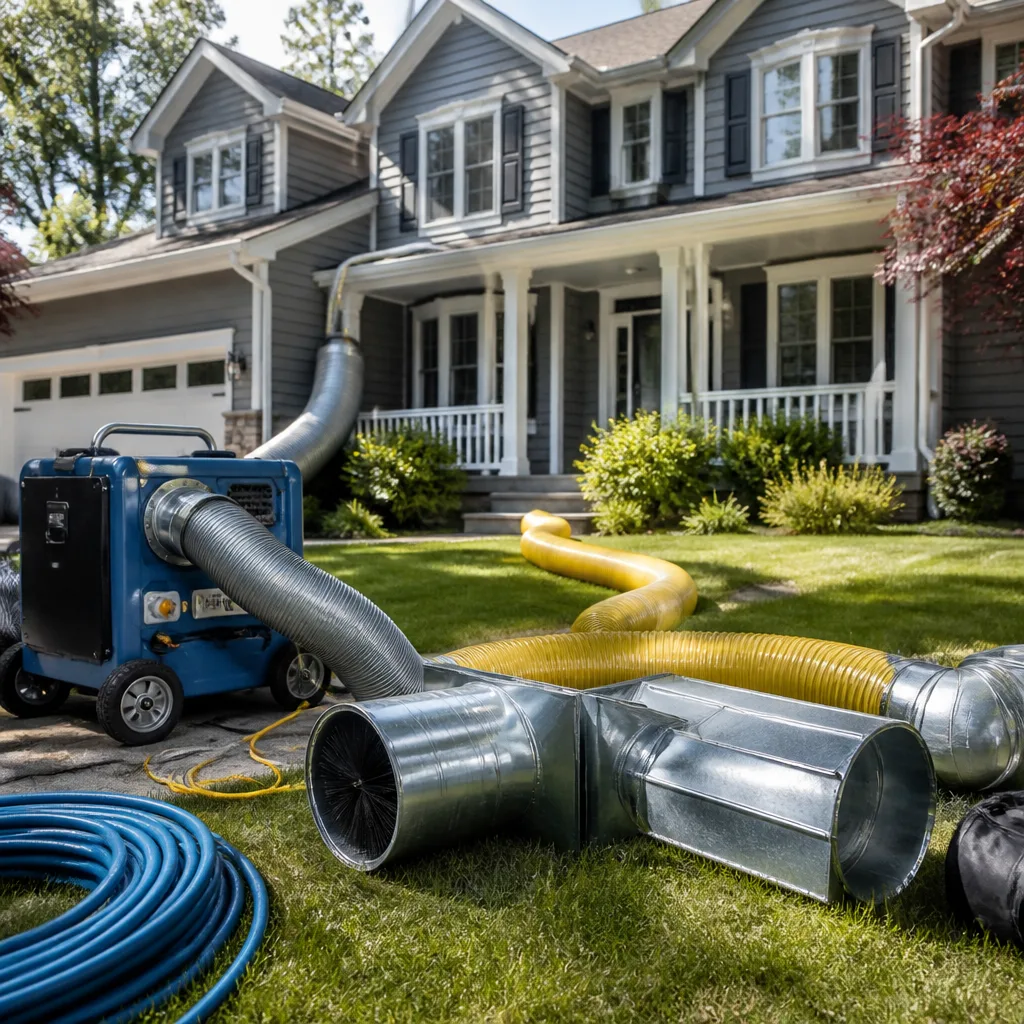 Whole-home duct cleaning
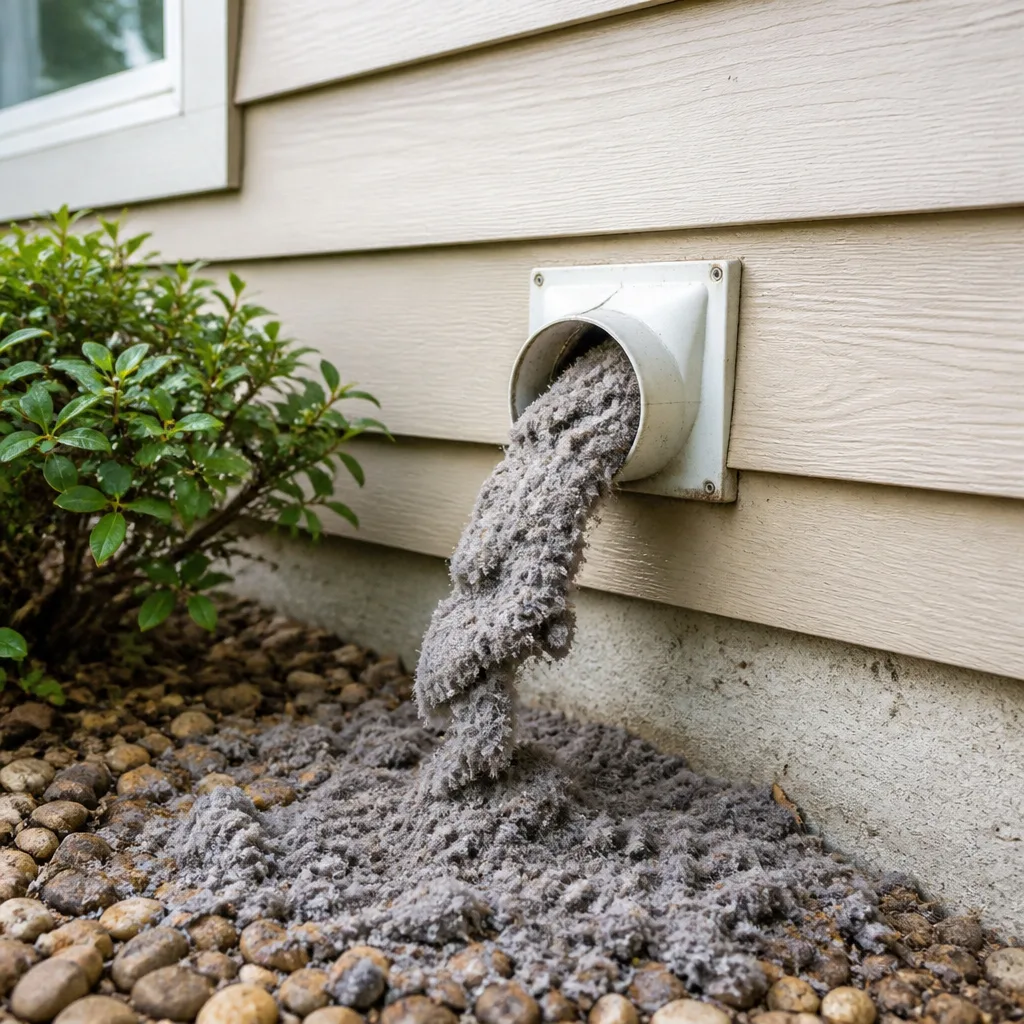 Dryer vent cleaning
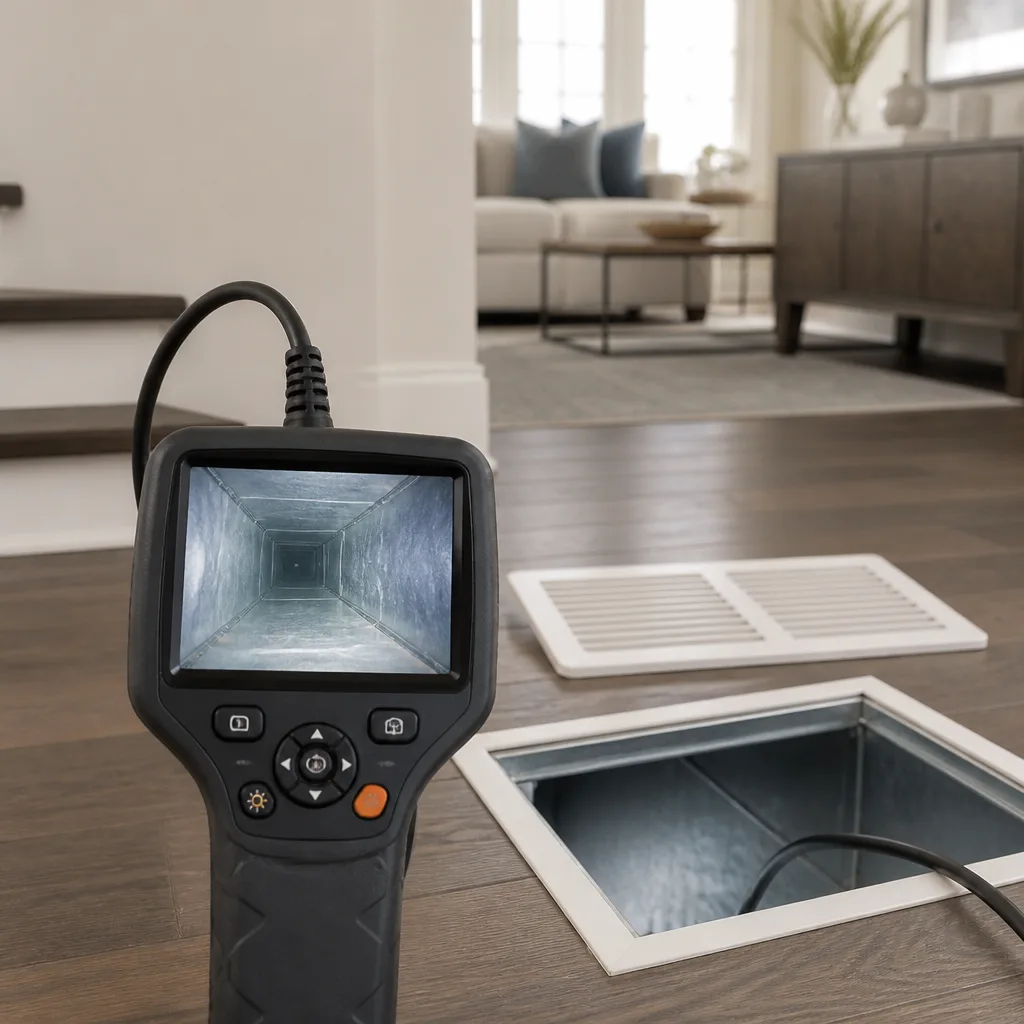 Camera inspection
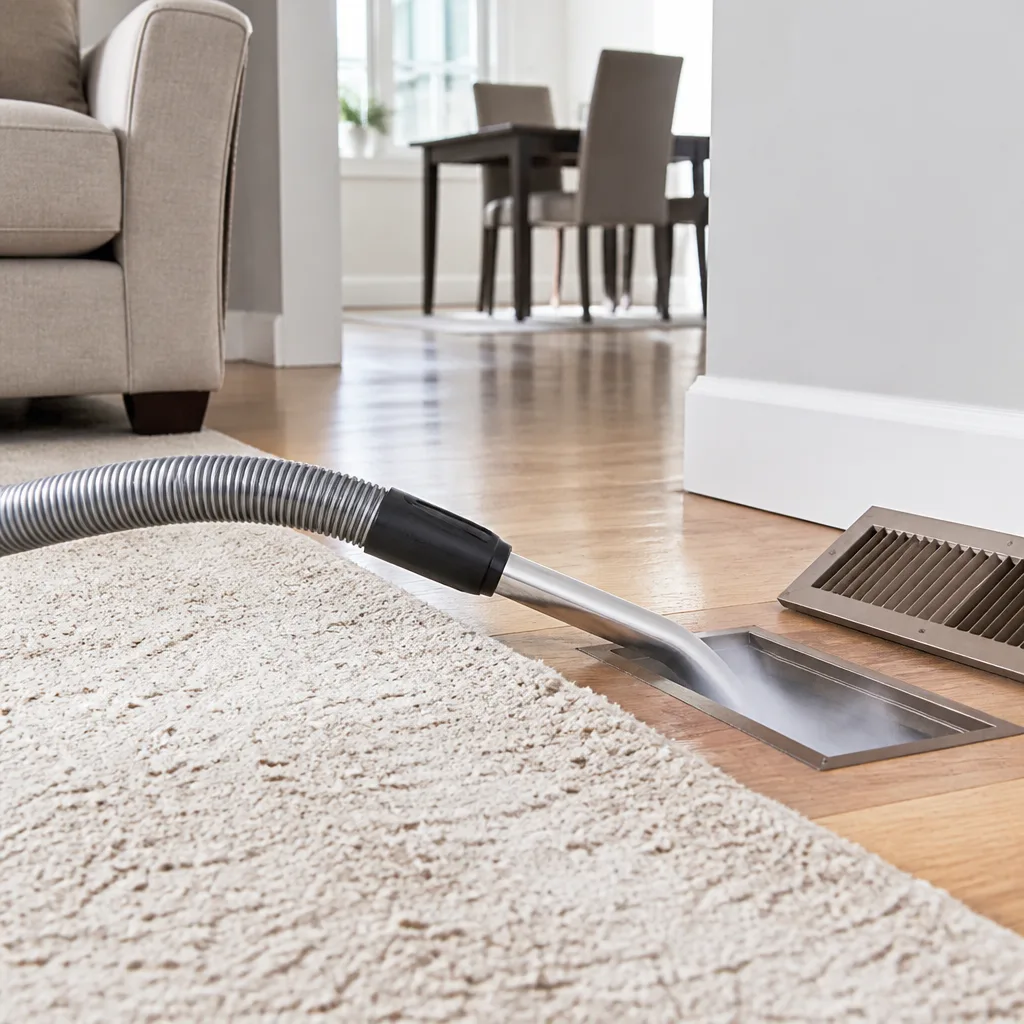 Sanitizing & deodorizing
Whole-system duct and dryer vent check with before-and-after photos - you see exactly what came out of your vents
That "$99 whole-house special" is a bait ad - the real number appears once they are in your hallway, or the "clean" is a shop-vac at the register. We photograph the inside of your ducts before and after instead.
Air Duct Cleaning Troubleshooting in Federal Way: Common Problems and How to Fix Them
If you’ve replaced your air filter three times in two months and your home still smells musty, the filter isn’t the problem. Something upstream in your duct system is. Most Federal Way homeowners we talk to have already tried the obvious fixes: a new filter, a thermostat reset, maybe a call to the furnace company. The symptom comes back because the cause lives inside the ductwork, not at the filter slot. This guide maps specific symptoms to their actual causes so you stop treating the wrong problem, and it covers where Federal Way’s wet, clay-heavy ground and damp crawlspaces create duct failures you won’t read about in a generic cleaning article.
Quick Answer
Most duct problems in Federal Way trace to one of four root causes: heavy mechanical buildup inside the duct runs, collapsed or disconnected flex duct in a crawlspace, failed joints and seals leaking air into unconditioned space, or microbial growth fed by moisture from damp ground. Cleaning solves the first. Sealing and repair solve the second and third. Sanitizing solves the fourth. Diagnosing which one you actually have is the part most homeowners skip, and it’s the step that decides whether a cleaning fixes your problem or just gives you a temporary break from it.
Styles & brands we work with
- Whole-home duct cleaning
- Dryer vent cleaning
- Camera inspection
- Sanitizing & deodorizing
Table of Contents
- Symptom-to-Cause Matrix: What Your Ducts Are Telling You
- How to Tell a Dirty Duct Problem From an HVAC Mechanical Problem
- Why Federal Way’s Soil and Crawlspaces Cause Specific Duct Failures
- What You Can Check Yourself and What Needs a Camera or Pressure Test
- When a Cleaning Alone Won’t Fix It
- Here’s What the Process Looks Like: Symptom to Solution
- Failed Seals, Leaky Joints, and Why They Cost You
- Moisture, Musty Air, and Sanitizing the Whole System
Symptom-to-Cause Matrix: What Your Ducts Are Telling You
Every duct complaint is a signal. The trick is reading the signal correctly instead of guessing. Here’s how the most common Federal Way symptoms map to their root causes, and what actually resolves each one.
| Symptom | Likely Root Cause | What Fixes It |
|---|---|---|
| Musty or earthy smell when the system runs | Microbial growth on duct interior, often moisture-fed | Cleaning plus sanitizing |
| Weak airflow at registers far from the furnace | Collapsed, disconnected, or undersized flex duct; leaks | Duct repair and sealing |
| Dust settling on supply vents days after cleaning | Heavy buildup inside the runs, not at the register | Mechanical agitation and extraction cleaning |
| High energy bills without comfort gains | Air leaking from joints into crawlspace or attic | Sealing and joint repair |
| Dust puffs from a register at startup | Debris at the boot or transition, or system pressure imbalance | Cleaning plus airflow inspection |
| Allergy symptoms worse indoors than outside | Particulate load in supply air | Cleaning, sanitizing, filtration upgrade |
| Uneven room temperatures, one zone always cold | Leaky or obstructed branch line | Sealing plus branch inspection |
Notice that only two of the seven rows resolve with cleaning alone. That’s the pattern we see across Federal Way homes. The symptom is real, but the fix depends on which row you’re in. Misreading the matrix is why some homeowners pay for a cleaning, feel a difference for a couple of weeks, and then watch the same complaint come back.
We use professional-grade equipment from Rotobrush and Nikro because the cleaning half of this matrix requires real agitation and extraction, not a shop-vac pass. But the cleaning half is only the cleaning half. The diagnostic work in front of it is what makes the cleaning worth doing.
How to Tell a Dirty Duct Problem From an HVAC Mechanical Problem
Before you call anyone, settle one question: is the problem in the ducts or in the equipment? A furnace that short-cycles, a blower that won’t start, or a refrigerant issue are mechanical problems. A duct system that distributes poorly, smells off, or coats your vents in dust is a duct problem. They can coexist, but they get fixed by different trades, and mixing them up costs you either a wasted service call or a duct clean that never touches the actual fault.
Here’s a practical way to separate them:
- Check the filter and the return. A filter that’s fully loaded in weeks, or a return grille that’s visibly coated, points to system-side debris. That leans duct.
- Listen at the air handler. If you hear rattling, scraping, or a blower that surges, that’s mechanical. Call your HVAC company first.
- Compare airflow across registers. If some rooms move plenty of air and one or two are weak, that’s a distribution problem inside the ducts, not the furnace.
- Smell test. A musty smell when the fan runs but clean air when it’s off points to duct interior, not equipment.
- Watch the thermostat. Equipment that can’t hold temperature on a mild day is a mechanical candidate. Equipment that runs fine but delivers uneven comfort is a duct candidate.
If the furnace is healthy, the blower runs clean, and the air still delivers poorly, you’re on the duct side of the fence. That’s where HVAC cleaning and duct work overlap, and it’s worth having both evaluated together so the diagnosis is complete rather than sequential.
Why Federal Way’s Soil and Crawlspaces Cause Specific Duct Failures
Federal Way sits on heavy clay soil that holds water. That matters to your ducts. In drier parts of the country, the main duct threats are dust, heat cycling, and rodent intrusion. Here in Federal Way, the dominant threat is moisture moving up through a damp crawlspace, condensing on cold duct surfaces, and feeding the conditions that lead to microbial growth, sagging flex duct, and failed tape joints.
The patterns we see in Federal Way homes track that environment closely:
- Sagging flex duct. Clay soil that stays wet keeps crawlspace humidity high. Flex duct that sags or rests on the ground collects condensation and loses shape, which restricts airflow before it ever tears.
- Tape and mastic failure. Adhesive tape and older mastic give up faster in persistent damp. Joints that were sealed tight ten years ago are open now, and the leak is invisible from the living space.
- Disconnected collars at boots. Vibration plus moisture softens connections at the register boots. The duct looks connected at the grille, but the collar behind it has separated.
- Standing water in low crawlspace pockets. Some Federal Way crawlspaces collect water after a wet stretch, and duct runs crossing those pockets absorb moisture from the outside in.
- Microbial growth at the coldest surfaces. The supply duct nearest the air handler runs coldest. In a damp crawlspace, that’s where condensation lands first.
None of these are fixed by a cleaning pass alone. A collapsed run needs to be re-supported or replaced. An open joint needs sealing. A wet crawlspace needs ventilation and moisture control. This is why we treat the whole system rather than just the duct interior, and it’s why we offer duct repair and sealing alongside cleaning rather than as an upsell.
If your home predates the mid-2000s and the ducts live in a crawlspace, moisture-driven joint failure is the first thing to rule out. Homes closer to the Puget Sound shoreline and those tucked into older Federal Way neighborhoods with mature trees tend to see it more, because shade and clay both slow drying.
What You Can Check Yourself and What Needs a Camera or Pressure Test
There’s real diagnostic value in what a homeowner can check at the register level. And there’s a clear line past which guessing does more harm than good. Knowing where that line sits saves you wasted effort and prevents the wrong call.
What you can check yourself:
- Pull a supply register and look up into the boot with a flashlight for visible debris, pests, or obvious separation.
- Compare airflow by holding a tissue at each register and noticing which rooms push air and which don’t.
- Check the filter slot for how quickly the filter loads.
- Sniff at the return with the fan running.
- Look for sagging or disconnected duct visible in an attic or crawlspace from a safe vantage point. Do not crawl into a tight space or disturb electrical.
What requires a camera or pressure test:
- Whether a run is fully collapsed inside the length you can’t see.
- How much air is leaking at joints in unconditioned space.
- Whether microbial growth is widespread or isolated to the coldest section.
- Whether a supply branch is blocked by a foreign object (toys, construction debris, pest nests).
- Whether the system static pressure is within the range the equipment was designed for.
A flashlight and a tissue test get you a strong hypothesis. A camera and a static pressure reading get you a diagnosis. In our experience across Federal Way, the two match about half the time, and the half where they don’t is exactly why skipping the camera costs more in the long run than paying for it.
When a Cleaning Alone Won’t Fix It
Cleaning removes what’s built up inside the duct. It doesn’t restore a collapsed run, close a failed joint, or kill microbial growth still being fed by a moisture source. That’s the trap: a homeowner books a cleaning, feels relief for two weeks, and considers the problem solved right up until the smell or the weak airflow returns.
The cases where cleaning alone isn’t enough:
- Collapsed or disconnected flex duct. No amount of agitation puts shape back into a duct that’s lost its structure. The run needs repair or replacement.
- Failed joints in unconditioned space. Leaks pull unconditioned air (and whatever’s in the crawlspace) into the supply stream. Sealing is the fix; cleaning won’t close a gap.
- Active moisture feeding microbial growth. Cleaning removes surface growth, but without sanitizing and moisture control it grows back. Our air quality and sanitizing service uses Abatement Technologies filtration equipment because this step requires more than a fogger.
- Oversized or undersized duct for the equipment. No cleaning fixes a design mismatch. Depending on the equipment, we may recommend partnering air quality products from Honeywell or Aprilaire to work alongside the system rather than fight it.
- Dirty blower and evaporator coil. The ducts can be clean while the air handler’s internal surfaces are still soiled. That’s why air duct cleaning and HVAC cleaning belong in the same visit.
When we quote a Federal Way job, we’re honest about which of these is in play. A cleaning that won’t solve the symptom is a cleaning we’d rather not sell you.
Here’s What the Process Looks Like: Symptom to Solution
Here’s what the process looks like from the moment you call to the moment the system runs correctly. Understanding the order prevents the “we cleaned it and it’s still broken” surprise.
- Symptom interview. We ask what you’re seeing, smelling, and feeling, and when it started. This usually narrows the root cause before we open anything.
- On-site inspection. Registers, boots, accessible duct runs, air handler, and – when indicated – a camera look down the trunks.
- Diagnosis. You hear which of the four root causes we believe is driving the symptom, and what each fix costs. No work starts until you agree on a flat price for the scope.
- Mechanical cleaning. Agitation and extraction with Rotobrush and Nikro equipment, running the full length of the supply and return.
- Repair and sealing. Where the diagnosis calls for it, we re-support, reconnect, and seal joints. This step is what stops the symptom from returning.
- Sanitizing. Abatement Technologies filtration equipment targets microbial growth and fine particulate, with Guardsman-grade protective treatments where appropriate.
- Before-and-after documentation. You see photos of your own ducts, so you know the work was done rather than having to take our word for it.
Every Federal Way job is quoted one flat price per system, agreed in writing before we start. Not per vent. Not a teaser price that grows into a bigger invoice once the technician is on site. If the diagnosis changes mid-job because the camera finds something the register-level inspection missed, we stop and re-quote before continuing.
Failed Seals, Leaky Joints, and Why They Cost You
A duct system that leaks 15 to 30 percent of its supply air into a crawlspace doesn’t feel broken from the living room. It feels expensive. The furnace works harder to deliver the comfort you used to get, the rooms far from the air handler run colder, and the energy bill drifts up. In Federal Way, with damp clay soil and crawlspace humidity, those leaks also pull moist, musty air into the supply stream.
What to look for:
- Visible gaps at the duct-to-boot connections behind supply registers.
- Peeling tape or cracked mastic at any joint, especially in a crawlspace.
- Sagging flex duct or a run that’s lost its shape.
- Duct runs resting on the ground rather than hung or supported.
- Musty smell strongest in rooms nearest the air handler.
Sealing is the fix. It’s also the step most cleaning-only providers skip. We work on the whole system specifically because the cleaning half and the sealing half solve different problems, and a Federal Way home with damp crawlspace conditions usually needs both to see a lasting result. If you’re also noticing that your clothes are taking longer to dry, the duct leakage and a lint-clogged dryer line often coexist, which makes dryer vent cleaning a sensible companion service on the same visit.
Moisture, Musty Air, and Sanitizing the Whole System
Musty air is the single most misdiagnosed duct complaint in Federal Way. Homeowners call it “a dirty duct smell” and book a cleaning. Sometimes that’s right. Often, the smell comes back within a month because the moisture source that fed the microbial growth is still there.
Sanitizing addresses the biological layer; it doesn’t address the moisture. So the sequence in a real fix goes like this:
- Find the moisture source (damp crawlspace, condensation on cold duct, standing water, roof leak, or a bath fan venting into the attic).
- Correct the source. Ventilation, drainage, or a repair, depending on what we find.
- Clean the ducts so the surface is ready for treatment.
- Sanitize with Abatement Technologies filtration equipment, plus Guardsman-grade protective treatments where appropriate.
- Consider whole-home air quality products. We work with Honeywell and Aprilaire because they give a Federal Way homeowner a way to keep the indoor air cleaner after the initial work is done, not just a one-time reset.
For households with allergies, post-renovation dust, or an aging HVAC system that hasn’t been professionally serviced in years, this is the sequence that actually changes how the house feels. A clean-and-sanitize without the moisture fix is theater. A moisture fix without the clean is half a job.
Common Mistakes to Avoid
- Replacing the filter endlessly and calling it fixed. A filter catches what reaches it. Duct buildup upstream never touches the filter slot, so a fresh filter doesn’t change the symptom.
- Booking a cleaning based on a coupon price without asking about scope. A coupon quote often means one trunk or a limited number of vents. Ask what the full-system price is for your home before you compare, and treat any per-vent pricing as a warning sign.
- Ignoring the crawlspace. In Federal Way, damp crawlspaces drive most of the moisture problems inside duct systems. Skip that inspection and the cleaning erases a symptom, not the cause.
- Assuming a musty smell means the whole system needs replacing. Most of the time it means cleaning plus sanitizing plus a moisture correction. Replacement is the last resort, not the first call.
- Treating a collapsed flex run as a “dirty duct” problem. No cleaning restores duct structure. If a run is sagging or disconnected, it needs repair first.
- Letting the dryer vent ride along on the “we’ll get to it” list. A clogged dryer vent is a fire risk and it’s a separate air pathway from your HVAC ducts. We include it in the same visit if you ask.
- Choosing a provider without asking what equipment they use. Entry-level vacuums remove loose surface dust. Professional-grade agitation-and-extraction equipment is what an abatement-grade clean requires. It’s the first question worth asking.
See the difference
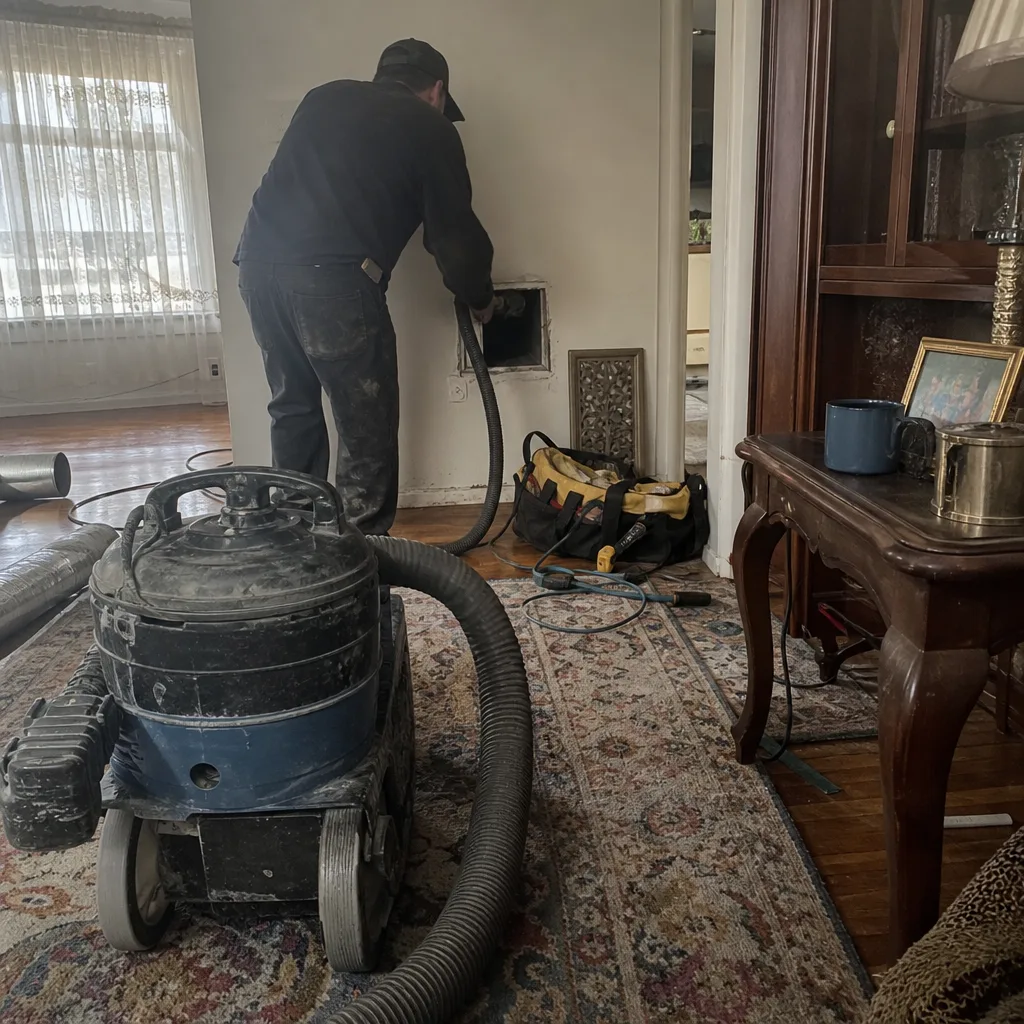 Before
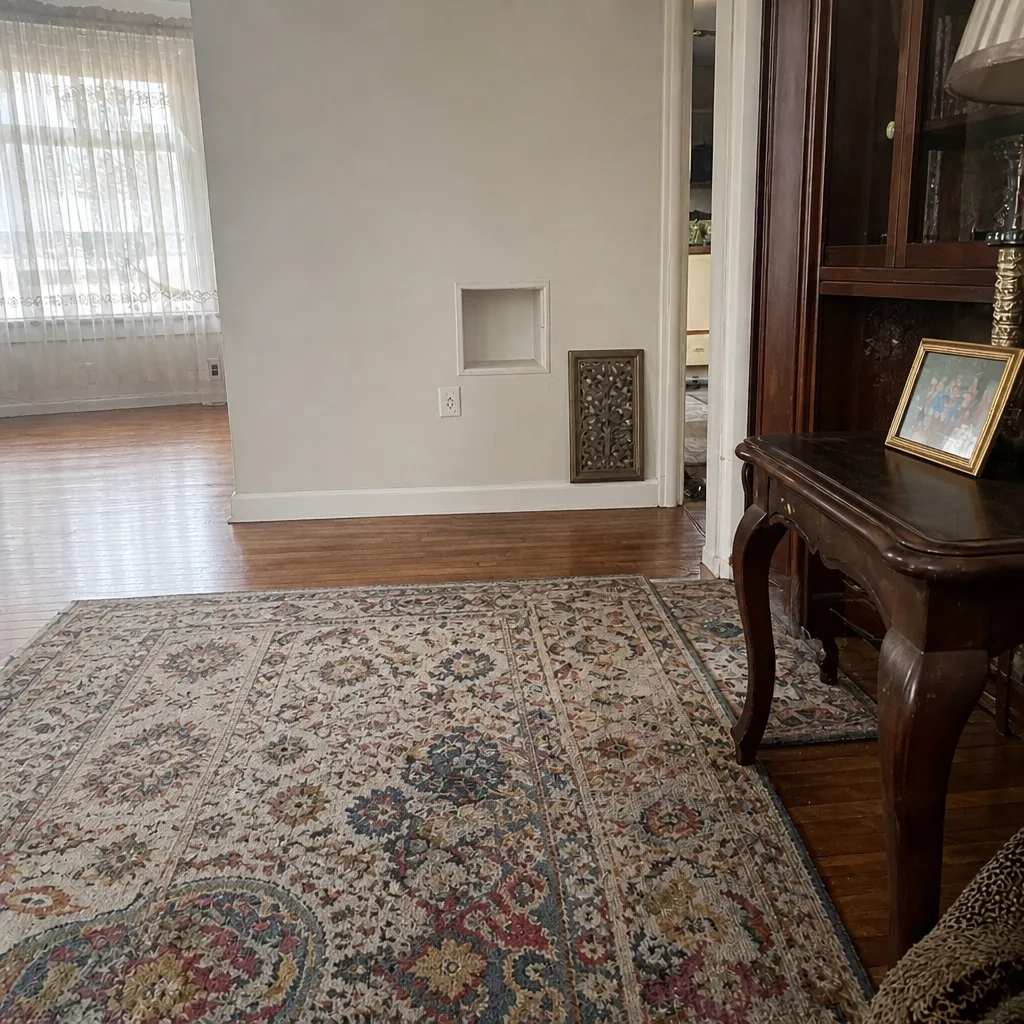 After
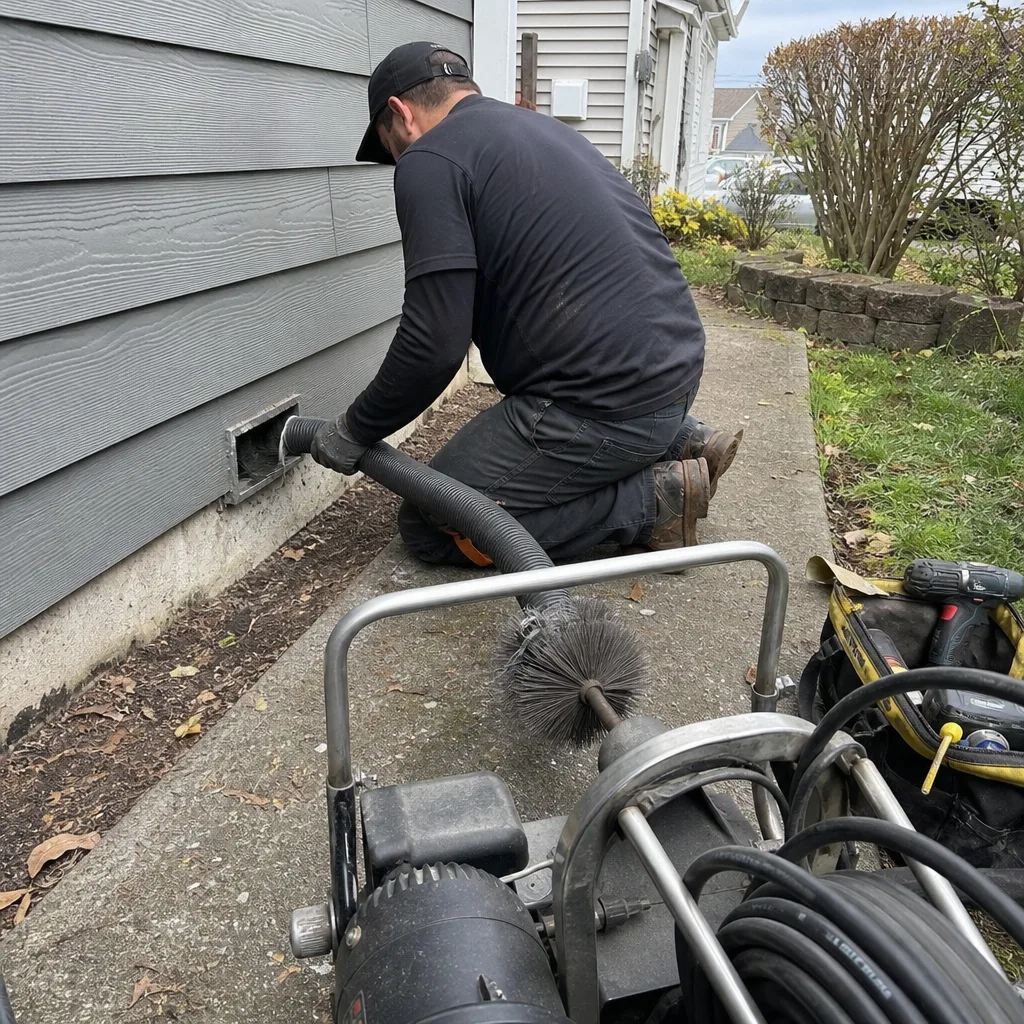 Before
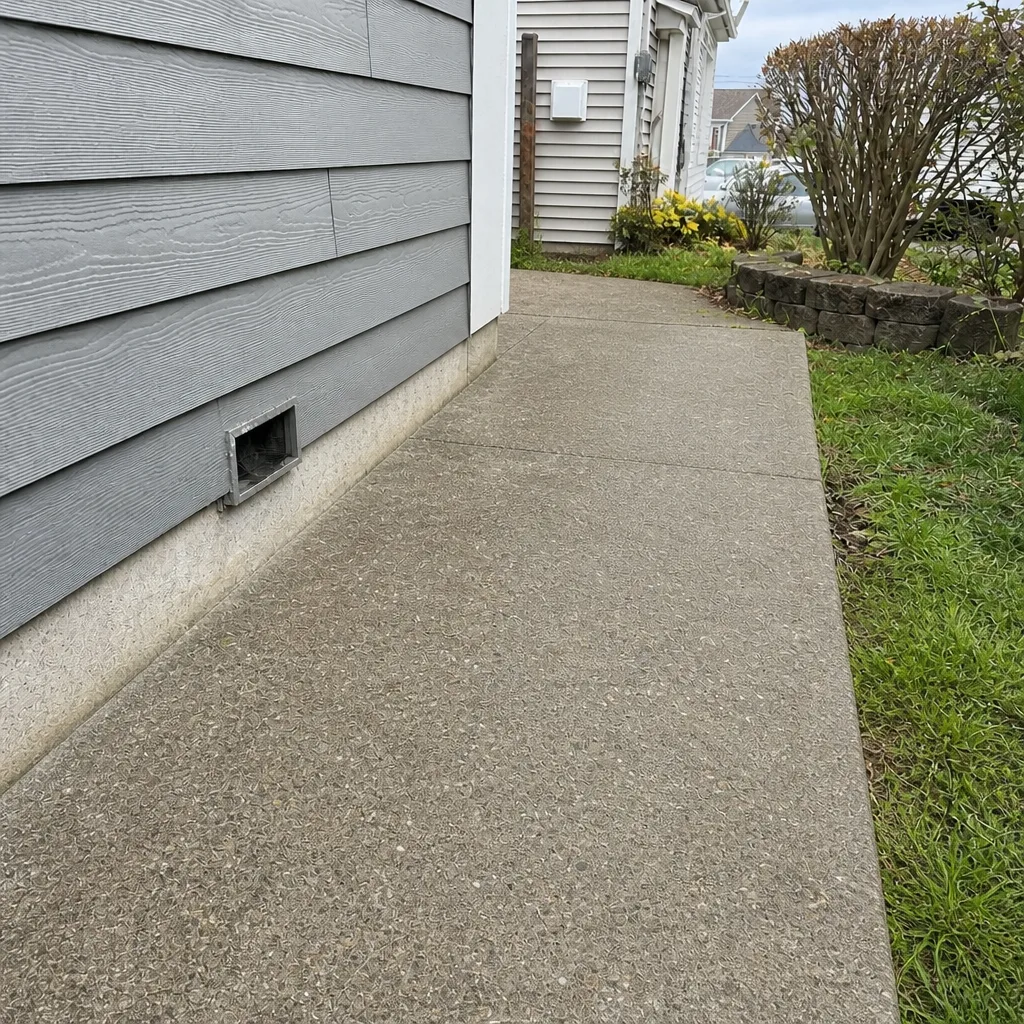 After
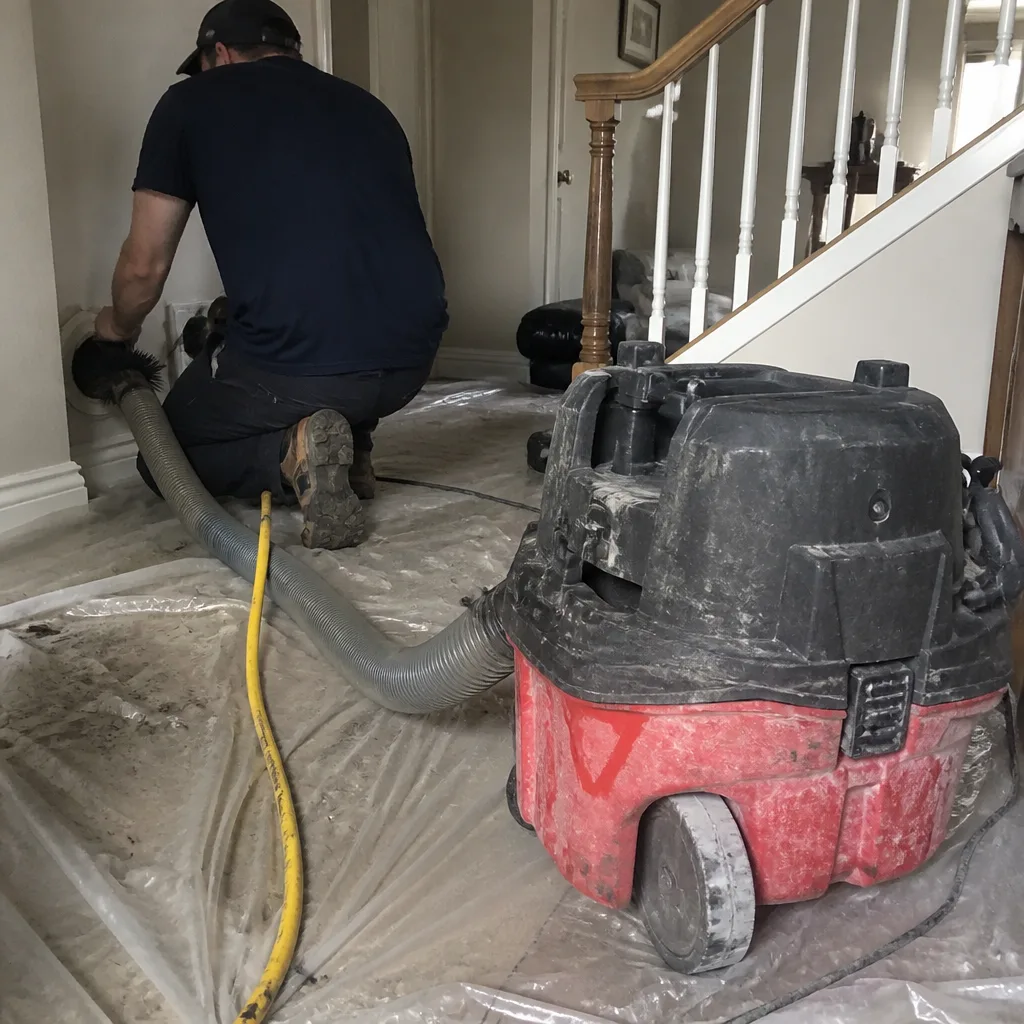 Before
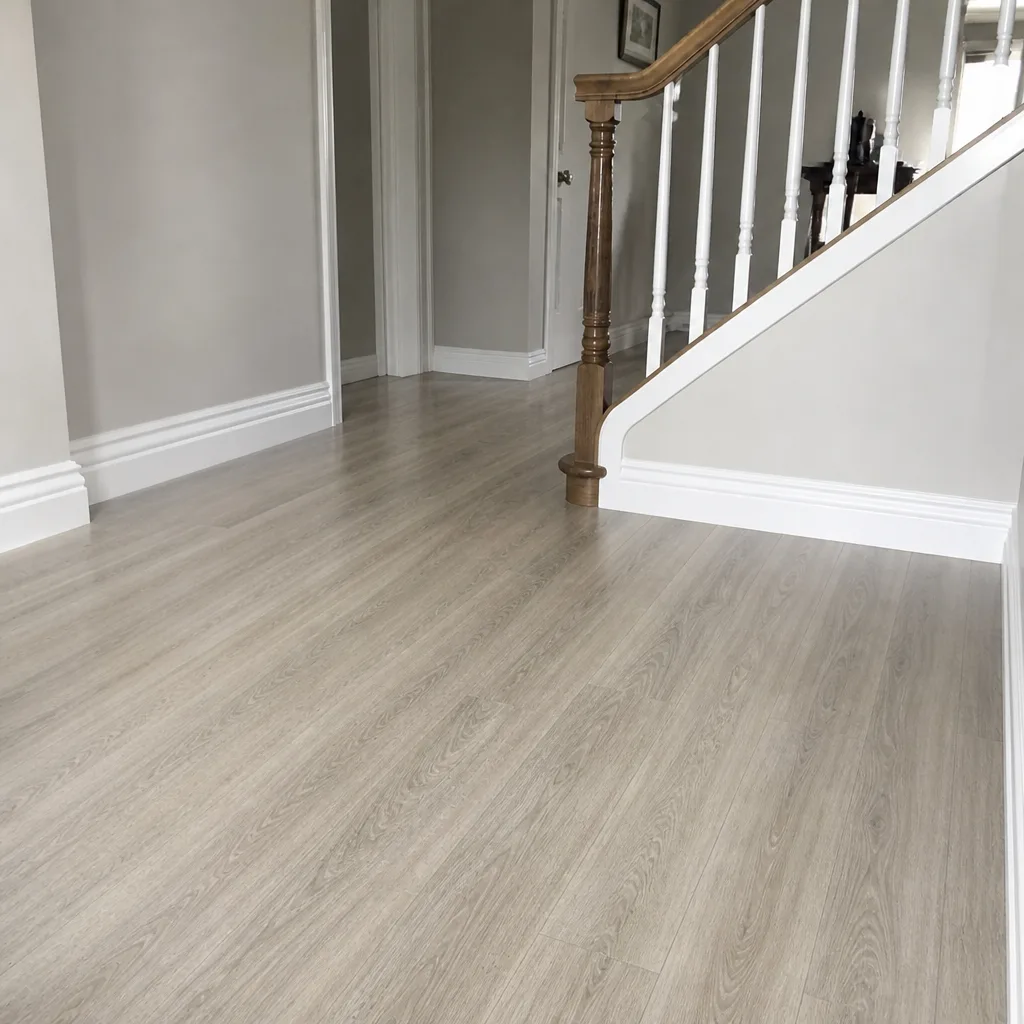 After
When to Call a Professional
Call a professional when the symptom survives a fresh filter, when airflow is uneven across rooms, when you smell mustiness with the fan running, when the energy bill drifts up without a matching comfort improvement, or when you can see a sagging or disconnected run from a safe vantage point. Also call if it’s been years since the ducts were professionally cleaned and your household has allergies or you’ve just finished a renovation. Federal Way Air Duct Cleaning Co offers free estimates in Federal Way – call (844) 625-7649. We answer 24/7. Fast dispatch from 7am to 7pm, Sunday through Friday. The estimate is free and the price is set per job by the written estimate, one flat price per system agreed before work starts.
Frequently Asked Questions
Typical estimates for a full-system residential cleaning in the Federal Way area land in the low hundreds of dollars, and the exact figure depends on the number of systems, the number of trunks, accessibility, and whether repair and sealing are needed. The final price is set by the written estimate after we see the system. Call (844) 625-7649 for an exact quote – estimates are free.
Cheap quotes usually come from three places: one trunk instead of the full system, entry-level vacuum equipment instead of professional agitation-and-extraction gear, or per-vent pricing that grows with the size of your home. A Federal Way home with a full system and a second system in a finished basement is a different scope from a single-story townhome, and pricing should reflect that reality before work starts, not after. Ask what equipment is used and what’s covered. Call (844) 625-7649 for a written scope.
You should see before-and-after photos of your own ducts. Anything short of that leaves you taking the technician’s word. We photograph every system we clean, so you have a record. Call (844) 625-7649 to schedule an estimate.
Most Federal Way homes do fine with a professional cleaning every three to five years, and sooner if you’ve just finished a renovation, have pets or smokers in the house, notice visible buildup at the registers, or smell mustiness when the system runs. Homes with damp crawlspaces tend toward the shorter end because moisture drives growth. Call (844) 625-7649 and we’ll tell you honestly whether you’re due.
Only if the cause is on the duct side. Cleaning restores airflow through a soot-and-debris-loaded system. Sealing closes leaks that lose conditioned air into a crawlspace or attic. If your bill is high because of leaky joints, cleaning alone won’t change the number, and we’ll tell you that upfront before you spend money.
Cleaning removes physical buildup: dust, debris, construction residue, and biological matter from duct surfaces. Sanitizing treats the surfaces after cleaning so microbial growth is knocked back, and it uses Abatement Technologies filtration equipment and Guardsman-grade protective treatments. When mustiness is the complaint, the two usually go together, along with a moisture-source correction. Call (844) 625-7649 to talk through which your home needs.
The Bottom Line
Most Federal Way duct problems aren’t really cleaning problems. They’re diagnosis problems. Musty air starts with moisture, weak airflow starts with a collapsed or leaking run, and dusty registers start with buildup deeper in the system than a shop-vac can reach. Get the diagnosis right and the fix follows. If you replace the filter, the smell comes back, and the energy bill keeps climbing, stop treating the wrong problem. Federal Way Air Duct Cleaning Co works on the whole system, from Federal Way Air Duct Cleaning Co‘s full service scope through cleaning, sealing, and sanitizing, with professional-grade equipment from Rotobrush and Nikro. Our technicians have up to 13 years of experience. One flat price per system, agreed in writing before work starts, and before-and-after photos of your own ducts when the job is done.
Call (844) 625-7649 for a free estimate. We answer 24/7. Fast dispatch from 7am to 7pm, Sunday through Friday.
Written by the team at Federal Way Air Duct Cleaning Co.