
Last updated November 25, 2026
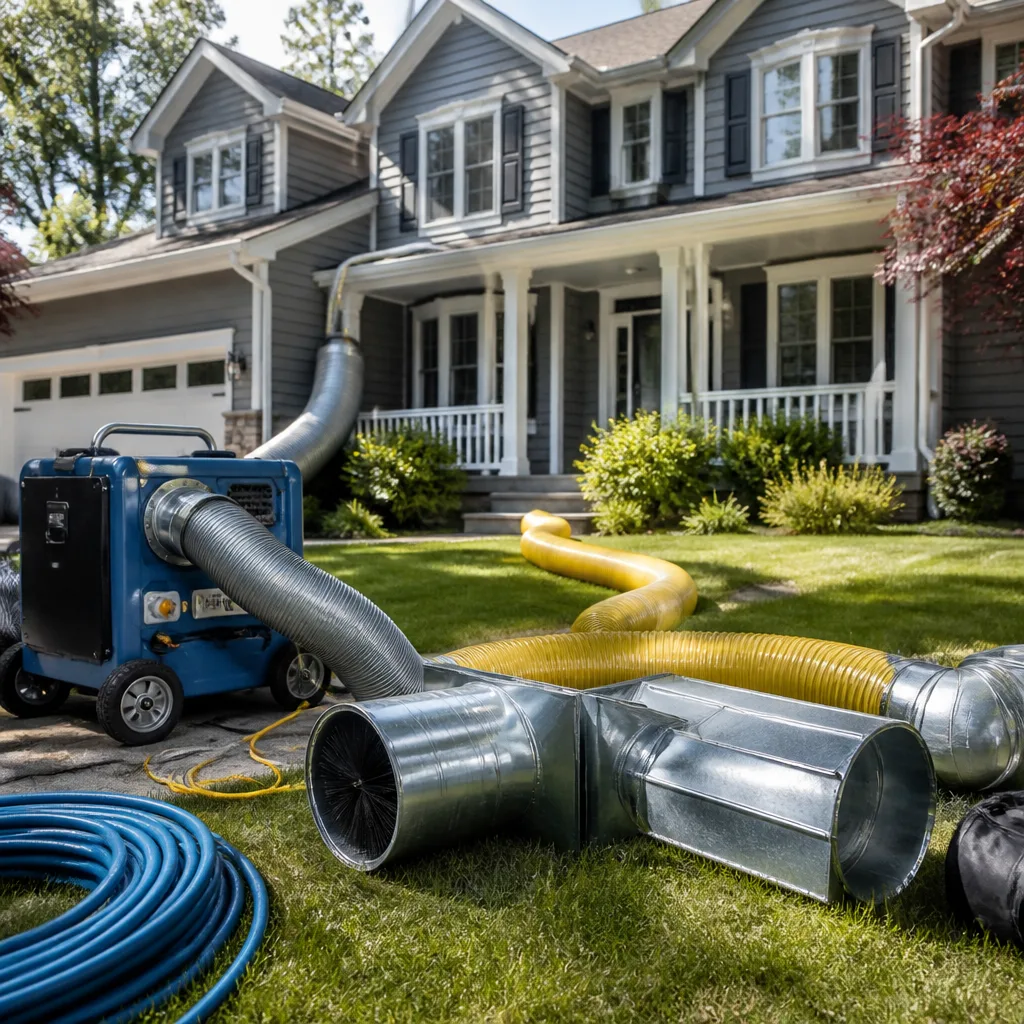 Whole-home duct cleaning
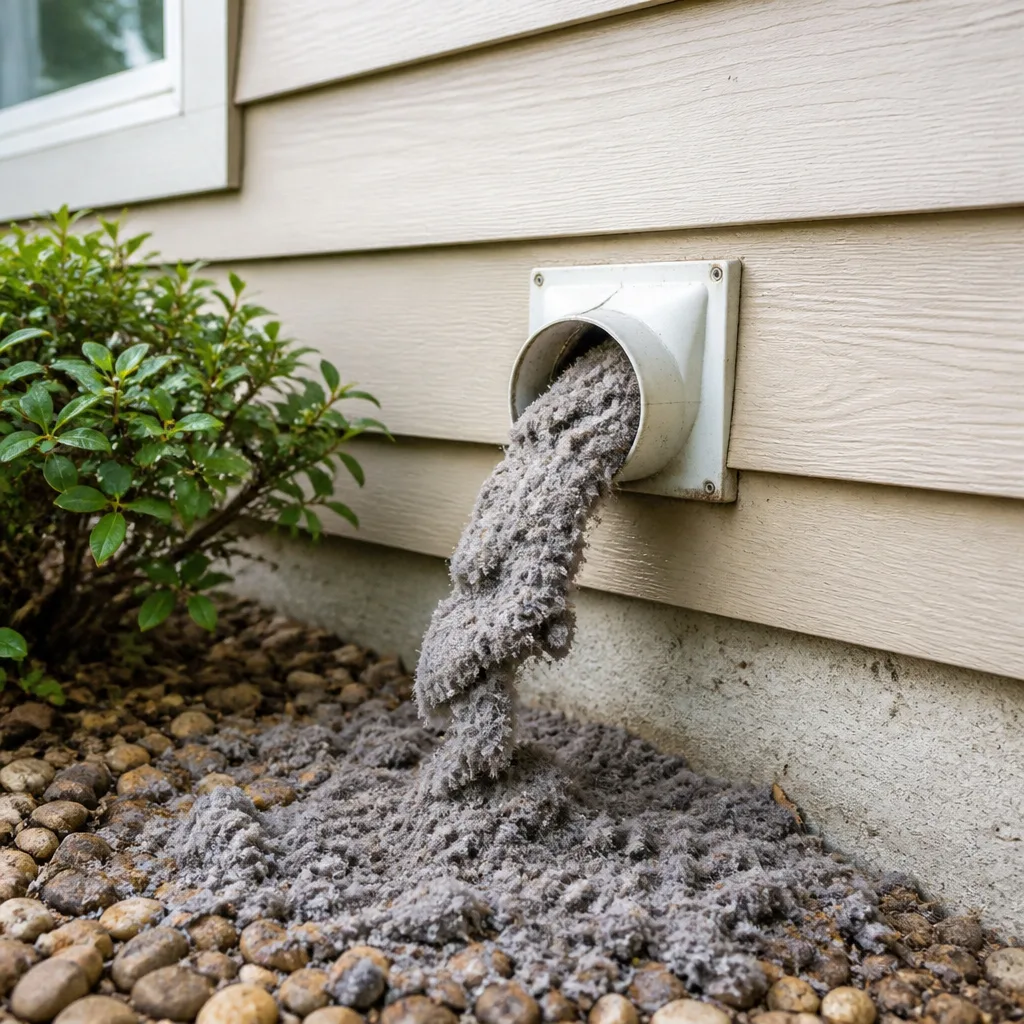 Dryer vent cleaning
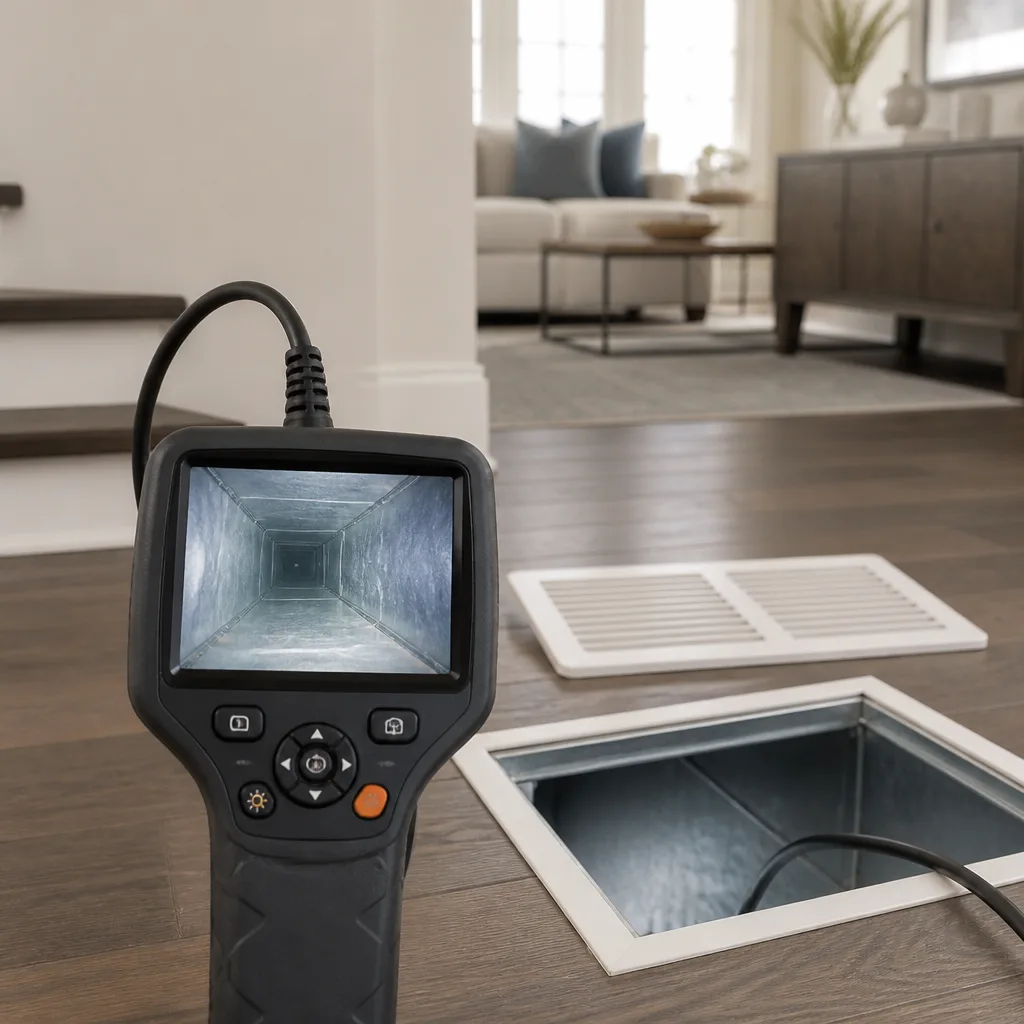 Camera inspection
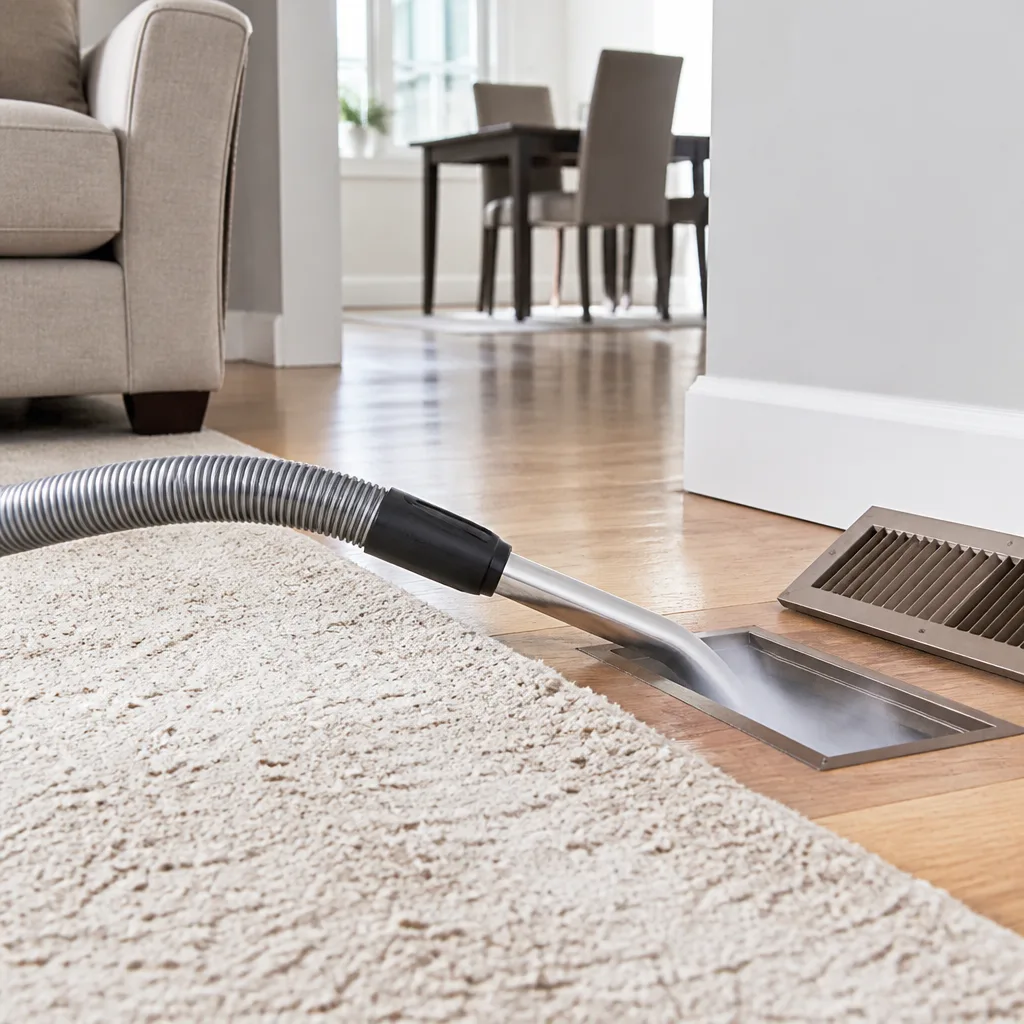 Sanitizing & deodorizing
Whole-system duct and dryer vent check with before-and-after photos - you see exactly what came out of your vents
That "$99 whole-house special" is a bait ad - the real number appears once they are in your hallway, or the "clean" is a shop-vac at the register. We photograph the inside of your ducts before and after instead.
Air Duct Cleaning Maintenance Schedule: What to Do and When
You’ve probably seen the number “every three to five years” printed somewhere, in a utility pamphlet or a real estate checklist, and treated it like gospel. Here’s the thing: the EPA never set that figure as a recommended standard. It was a rough industry average that spread across the internet and hardened into a rule nobody questions. A three-to-five-year schedule makes no sense for every home in Federal Way, because the factors that actually drive how fast ducts load up with dust, pollen, and debris have almost nothing to do with a calendar average. They have to do with your house. This guide shows you how to build a cleaning schedule from the variables that matter for your specific home in Federal Way, so you’re cleaning when your system needs it rather than when a brochure tells you to.
Quick Answer
There’s no single correct interval for air duct cleaning. Most homes land somewhere between every three and seven years, but that range shifts dramatically based on pet load, renovation activity, home age, occupancy, crawlspace conditions, and how many hours a day your HVAC runs. A home in Federal Way with two shedding dogs, recent remodeling dust, and a heat pump running year-round will need cleaning far sooner than an identical house with no pets and a mild occupancy load. The right approach is a variable-based schedule: monthly filter checks, annual register inspections, and a professional evaluation every few years that accounts for your system’s actual history rather than a fixed number.
Styles & brands we work with
- Whole-home duct cleaning
- Dryer vent cleaning
- Camera inspection
- Sanitizing & deodorizing
Table of Contents
- The Variables That Actually Drive Duct Contamination
- How Pets, Smoking, Crawlspace, and HVAC Age Shift the Interval
- What to Inspect Monthly, Annually, and When to Call a Pro
- Building a System Log So You Show Data, Not Guesses
- The Post-Renovation Protocol: Why Remodels Reset the Clock
- Federal Way Seasonal Considerations: Fall Leaf Mold and Spring Pollen
- Clean Ducts Are Only Part of the Story
- Common Mistakes to Avoid
The Variables That Actually Drive Duct Contamination
The three-to-five-year average fails because duct contamination isn’t constant. Some homes accumulate debris slowly; others load up fast. In our experience, the following variables move your cleaning interval more than any calendar rule ever could:
- Pet load. A single short-haired cat adds a little dander. Two or three double-coated dogs shedding year-round can double or triple the dust loading in your return air system. Pet hair also mattes into register grilles and acts as a filter that traps finer dust behind it.
- Occupancy. More people in the house means more skin cells, more laundry lint, more cooking particulate, and more foot traffic tracking dirt indoors. A family of five loads the system faster than a retired couple in a similar house.
- Home age and duct material. Older homes in Federal Way often have ducts that have never been professionally cleaned, or that include sections of unsealed flex duct prone to collecting debris at every sag. New construction has its own problem: construction dust left in the system after the build.
- Smoking indoors. Tobacco smoke leaves a sticky residue on duct surfaces that traps dust and holds odors. Homes with indoor smoking need evaluation more frequently.
- Renovation activity. Any drywall, sanding, or cabinet work produces fine particulate that finds its way into the return air path. A remodel can undo two years of accumulated margin in a couple of weeks.
- Crawlspace and moisture conditions. We have plenty of homes in Federal Way with crawlspaces that run damp after the fall rains. Moisture in the crawlspace raises humidity in the whole system, which encourages biological growth on duct interior surfaces. Damp crawlspace homes need more frequent inspections.
- HVAC run time. A system running nine months of the year moves far more air than one used seasonally. More air volume means more particulate pulled through the return and deposited in the ductwork.
- Filtration quality and discipline. A cheap filter changed too late lets debris through. A high-quality filter checked monthly and replaced on time keeps your ducts cleaner longer, which extends your whole interval.
None of these variables appear in the standard internet advice. That’s the problem. A schedule built on the variables above will be specific to your home in Federal Way rather than a generic prescription that may not fit.
How Pets, Smoking, Crawlspace, and HVAC Age Shift the Interval
Here’s how the variables translate into actual schedule shifts. Use this as a decision matrix, not a strict rulebook. These are starting points that a professional inspection can confirm or adjust.
| Variable | Baseline home | With condition present | What it means |
|---|---|---|---|
| Pets (2+ shedding animals) | Every 4-6 years | Every 2-3 years | Shorter interval; check registers more often |
| Indoor smoking | Every 4-6 years | Every 2 years + sanitizing evaluation | Residue on ducts traps dust and odors |
| Recent renovation | Every 4-6 years | Immediately after, then reassess | One-off cleaning regardless of schedule |
| Damp crawlspace | Every 4-6 years | Every 2-3 years + sanitizing check | Humidity encourages biological growth |
| Aging HVAC (over 15 years) | Every 4-6 years | Every 3-4 years | Older systems filter less efficiently |
| High occupancy (4+ residents) | Every 4-6 years | Every 3-4 years | More traffic and particulate sources |
| No pets, no kids, good filters | Every 4-6 years | Every 6-7 years | Slow loader; verify with inspection |
| Year-round heat pump run | Every 4-6 years | Every 3-4 years | High air volume moves more debris |
Federal Way’s mild, wet climate is a factor. Homes here often run heat pumps or forced-air systems throughout the year rather than only in a hard winter and a hot summer, which means more total air volume through the ductwork than a comparable home in a strictly seasonal climate. That alone argues against treating the industry average as your schedule.
What to Inspect Monthly, Annually, and When to Call a Pro
A workable schedule has three tiers. Each tier has a different cadence and a different job. Here’s what we recommend:
Monthly: Filter Check
- Turn off the system and pull the filter.
- Hold it up to a light. If you can’t see through it, change it.
- Note the date you changed it. A cheap filter may last only a month; a thicker media filter might go two or three.
- Look at the register grilles in the highest-traffic rooms. Visible haze on the grille means the filter is getting overloaded.
Filter discipline is the single lowest-cost lever you have. Skipping it shortens the life of everything downstream.
Annually: Register Pull
Once a year, in the fall before heating season, pull a couple of register covers and look inside the boot (the metal or flex transition between the register and the main trunk). A flashlight will show you what’s sitting on the duct floor. Loose dust visible in the boot is normal. Accumulated debris, visible matted hair, or a musty smell is a sign your interval should shorten. Note what rooms give you the worst result, and photograph the inside of the boot. You’ll use those photos later.
Every Few Years: Professional Internal Inspection
Camera inspection of the main trunk and branch runs tells you what the surface of the ducts actually looks like, not just what the register boot shows. That distinction matters, because a clean boot can hide a heavily loaded trunk. A professional internal inspection should be scheduled based on your matrix above, not as an emergency. If you’ve noticed a persistent odor, gradually weakening airflow at the far registers, or visible debris blowing out after a filter change, that’s a good reason to schedule an inspection sooner.
If you’d like a professional-grade mechanical assessment rather than a visual only, air duct cleaning performed with an agitation-and-extraction system will both clean and reveal what’s in the system. That’s a more useful appointment than a surface-only vacuum.
Building a System Log So You Show Data, Not Guesses
Here’s something most homeowners never do: keep a written record of their HVAC system’s history. Ten minutes a year can save you from guessing later. A technician who shows up to a log full of specific observations can give you a much better recommendation than one working from a single snapshot.
Keep a simple notebook or a shared spreadsheet. Log the following:
- Filter change dates. Every change, with the filter type and size. This is the single most useful entry.
- HVAC service calls. Date, what was serviced, and by whom. Include HVAC cleanings, repairs, and any refrigerant or motor work.
- Register observations. Once a year, note which rooms had the worst buildup and photograph the inside of the boot.
- Renovation dates. Any remodeling, drywall work, or flooring project, with start and completion dates. Mark the duct cleaning that followed.
- Odor or airflow complaints. When you first noticed a musty smell or a room that stopped heating well. This helps a technician identify which branch run may be the problem.
- Pest sightings. Rodents or insects in the ductwork are a repair signal, not just a cleaning one.
- Duct cleaning dates. When the last professional cleaning was done and what was performed.
The point isn’t bureaucracy. It’s that “I think it was a few years ago” is a poor input. “Last cleaned in March, filter changed quarterly, had a kitchen remodel in August, two dogs” tells a technician exactly what they need to know about your system.
The Post-Renovation Protocol: Why Remodels Reset the Clock
No matter what schedule you’re on, a renovation changes the answer. Drywall dust, sawdust from trim work, insulation fibers from a ceiling opened up, and dust from demolition all get pulled into the return air system the moment the HVAC runs during or after the project. Some of it settles in the ductwork and stays there. This isn’t an occasional problem in Federal Way; it’s the only situation where an immediate cleaning is nearly always the right call regardless of where you were on your interval.
Here’s a post-renovation sequence that works:
- During the remodel: Seal registers in the work zone with plastic and painter’s tape. Many contractors do this by default; ask if yours does. Keep the system running if dust is minimal, or shut down the work zone if it isn’t.
- At completion: Change the filter before turning the system back on. That filter has been doing overtime.
- Within a week of completion: Schedule a professional cleaning. Agitation-and-extraction equipment is what pulls fine drywall particulate out of the branch runs; a shop-vac won’t touch it. Rotobrush and Nikro systems are what we use because they agitate the debris off duct walls before extracting it, which is exactly what drywall dust requires.
- After cleaning: Change the filter again once the system has run for a day. This catches anything the cleaning dislodged that made it to the filter afterward.
New construction homes need the same treatment. Builders rarely clean the ductwork after framing and finishing, which means the first homeowner is breathing construction dust until it’s done. If you’ve moved into a new build in Federal Way and never had the ducts cleaned, this is worth scheduling.
Federal Way Seasonal Considerations: Fall Leaf Mold and Spring Pollen
Federal Way’s growing-season pattern has two distinct pressure points on duct systems, and each has a different implication for your cleaning schedule.
Fall: leaf mold and moisture. The Pacific Northwest fall brings weeks of wet leaves, and a lot of them end up in gutters and along foundations. Leaf litter doesn’t sit inert; it develops mold as it breaks down. Air drawn into a return near the exterior, or into a crawlspace that vents or leaks, carries that mold spore load into the system. Homes near Green River or along the wooded edges of Federal Way tend to see more of this. If you notice a musty smell when the heat first comes on in October, that’s a signal your ducts are holding leaf-litter moisture. Sanitizing with an Abatement Technologies system is worth discussing at your next cleaning for homes with this pattern.
Spring: pollen. March through May in Federal Way is when the tree pollen peaks. Pollen is fine enough to pass through a standard filter and settle in the ductwork. Homes near the Hylebos Wetlands or anywhere near large stands of alder and cottonwood tend to see more pollen load. If spring allergies in your household spike indoors as well as outdoors, the ducts are a likely contributor.
Here’s a practical rule we suggest for Federal Way homes: schedule a cleaning in the early fall if you’re near the top of your interval, so your system goes into the wet season clean and the leaf-mold window doesn’t add to a system that’s already loaded.
Clean Ducts Are Only Part of the Story
A maintenance schedule that stops at cleaning misses the root causes that make the ducts get dirty again. If your system has unsealed joints, disconnected sections, or sagging flex runs, dust and moisture keep entering faster than cleaning can remove them. That’s why we work the whole system, not just the ducts.
Federal Way Air Duct Cleaning Co provides dryer vent cleaning, HVAC cleaning, duct repair and sealing, and air quality sanitizing, so a maintenance appointment can address the whole air pathway from the dryer vent to the return grille. Duct repair and sealing closes the leaks that let outdoor debris and crawlspace moisture into the system in the first place. That work changes the math on your cleaning interval by making the system hold cleaner air longer.
Beyond cleaning and repair, we sell and service Honeywell and Aprilaire air quality systems. These are the tools that change the baseline of your schedule: whole-home filtration or a better humidification and dehumidification setup, backed by equipment from a manufacturer your HVAC contractor already recognizes. Guardsman-grade protective treatments are available as part of our sanitizing service for homes dealing with microbial growth.
One more scope note: the audit-and-repair approach we’ve been describing is what lends our schedule recommendations any weight. Our technicians have up to 13 years of experience reading duct systems, and they use professional-grade Rotobrush and Nikro equipment rather than entry-level rigs, because the difference shows up in what they can actually document before and after a cleaning.
Common Mistakes to Avoid
- Treating three-to-five years as a rule instead of a starting point. A home in Federal Way with two dogs, a damp crawlspace, and a recent kitchen remodel can need cleaning in a year; a clean, low-occupancy home can go seven. Use the matrix, not the average.
- Skipping the filter check before calling a cleaner. A clogged filter is a cheap fix that solves half of what a homeowner calls about. Check it first, then decide if you need more.
- Cleaning right after a renovation without changing the filter twice. Once before the cleaning, once after. Doing it once leaves drywall dust in the filter when the next load arrives.
- Hiring a company that only vacuums and doesn’t agitate. Loose dust in the boot comes up with any vacuum. Debris bonded to duct walls needs agitation equipment; ask what they use before you book. If the answer is a shop-vac rig, keep looking.
- Skipping dryer vent cleaning because it isn’t on the duct schedule. Dryer vents load up with lint fast and are a fire risk if ignored. Treat them as a separate, shorter-interval item, even in Federal Way homes with efficient dryers.
- Ignoring a musty smell until it’s a bigger repair. A persistent musty odor after heating season often means moisture is finding its way into the system. That’s a sealing or crawlspace issue, not just a cleaning.
- No written record of when the last cleaning happened. If you can’t tell a technician when it was last done, they can’t give you a good interval for the next one. Start the log today, even if it only has one entry.
See the difference
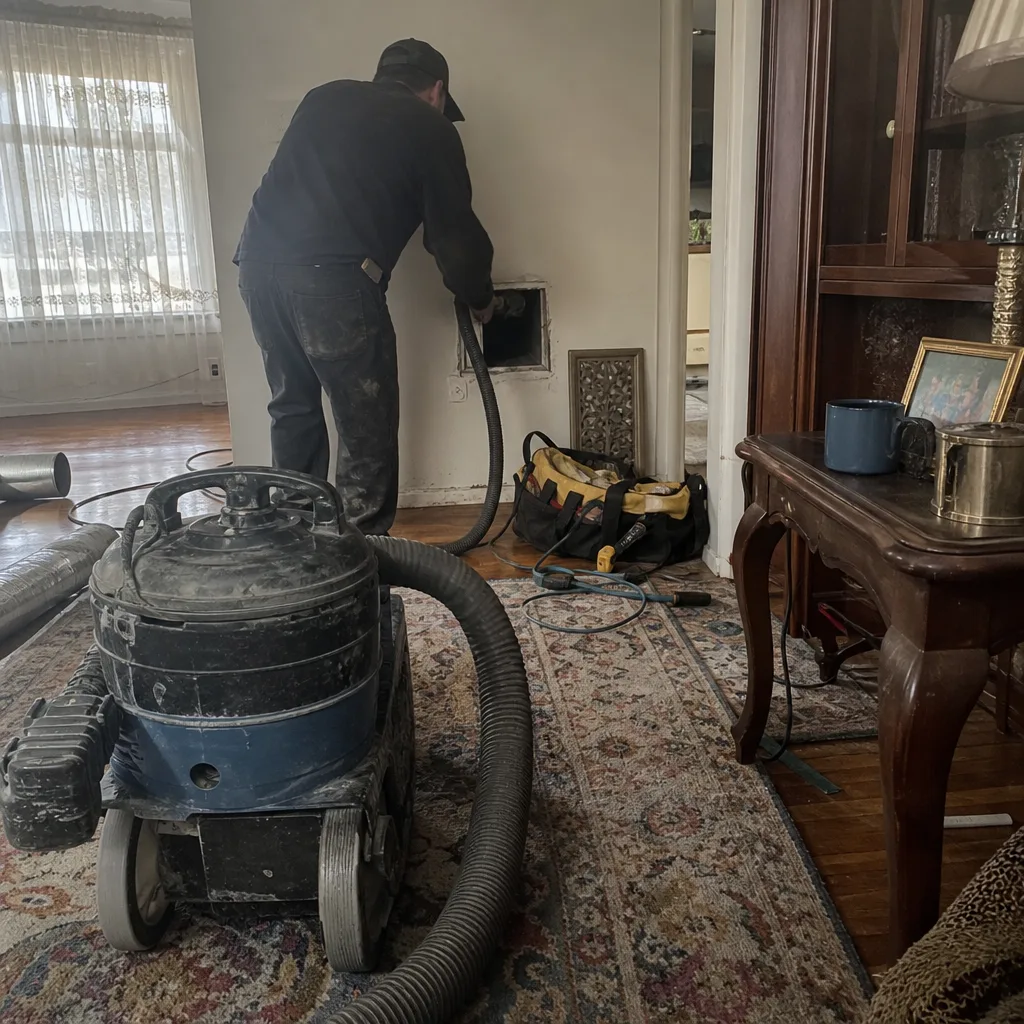 Before
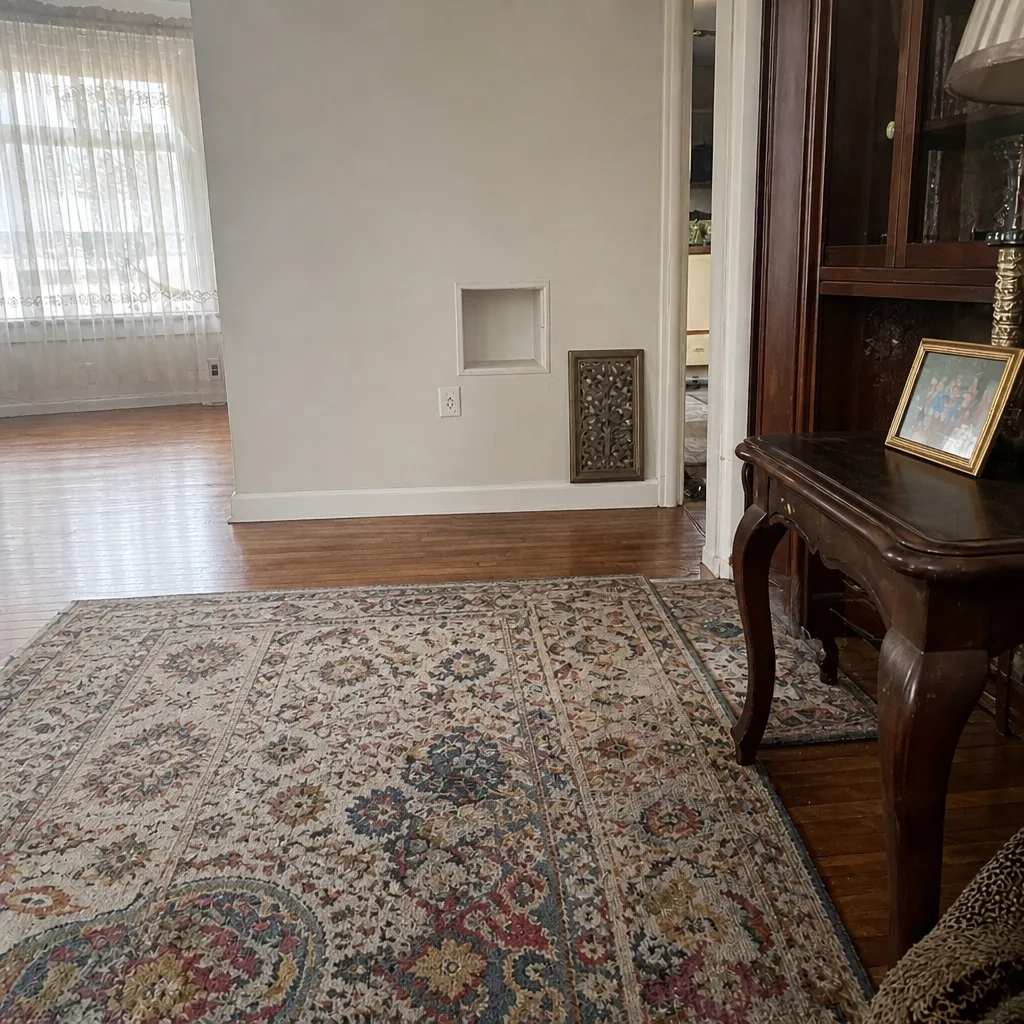 After
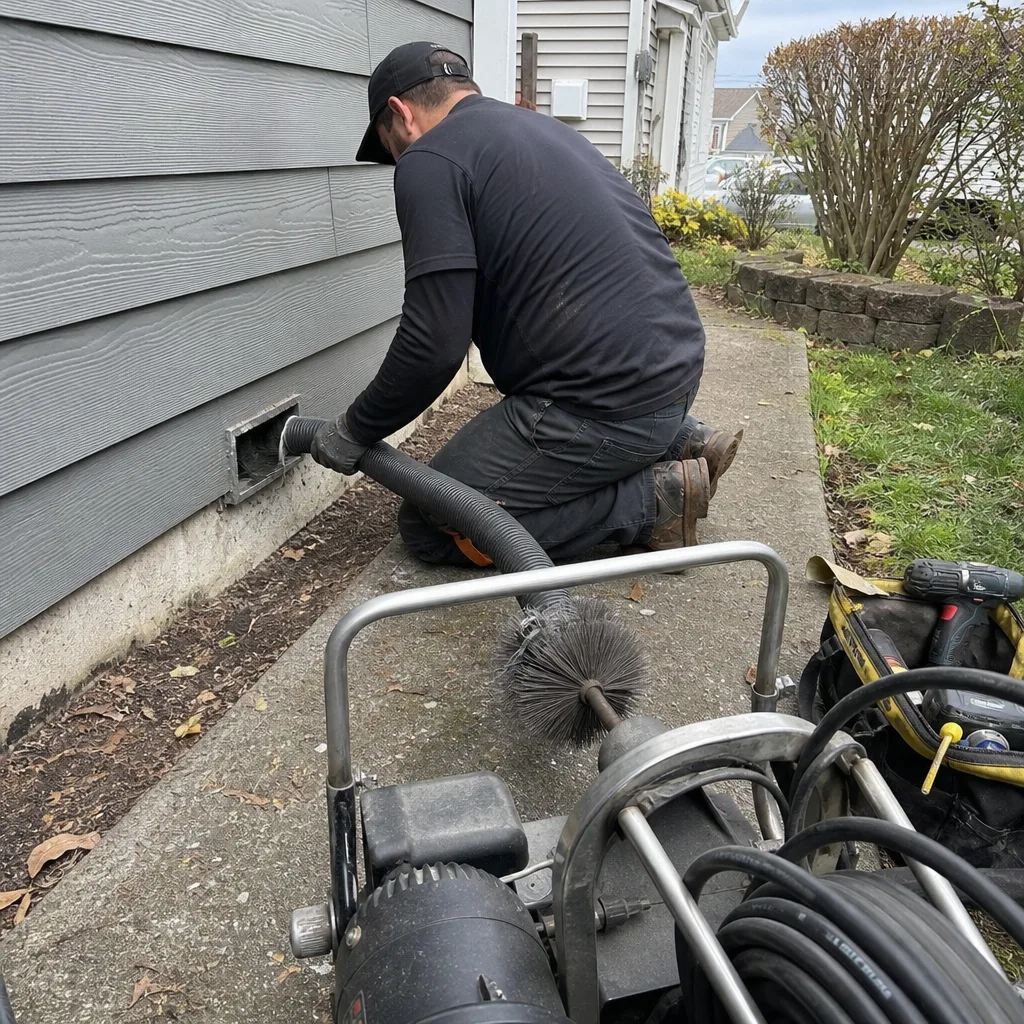 Before
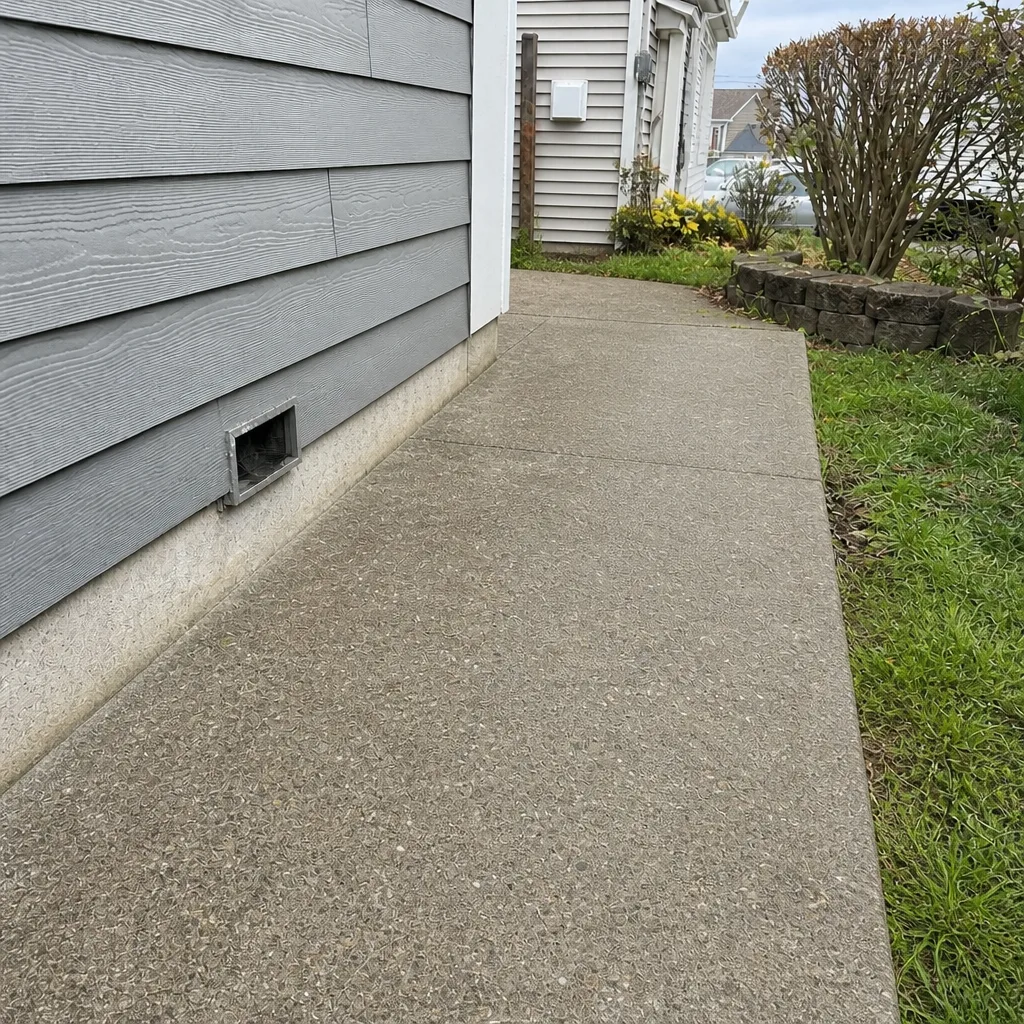 After
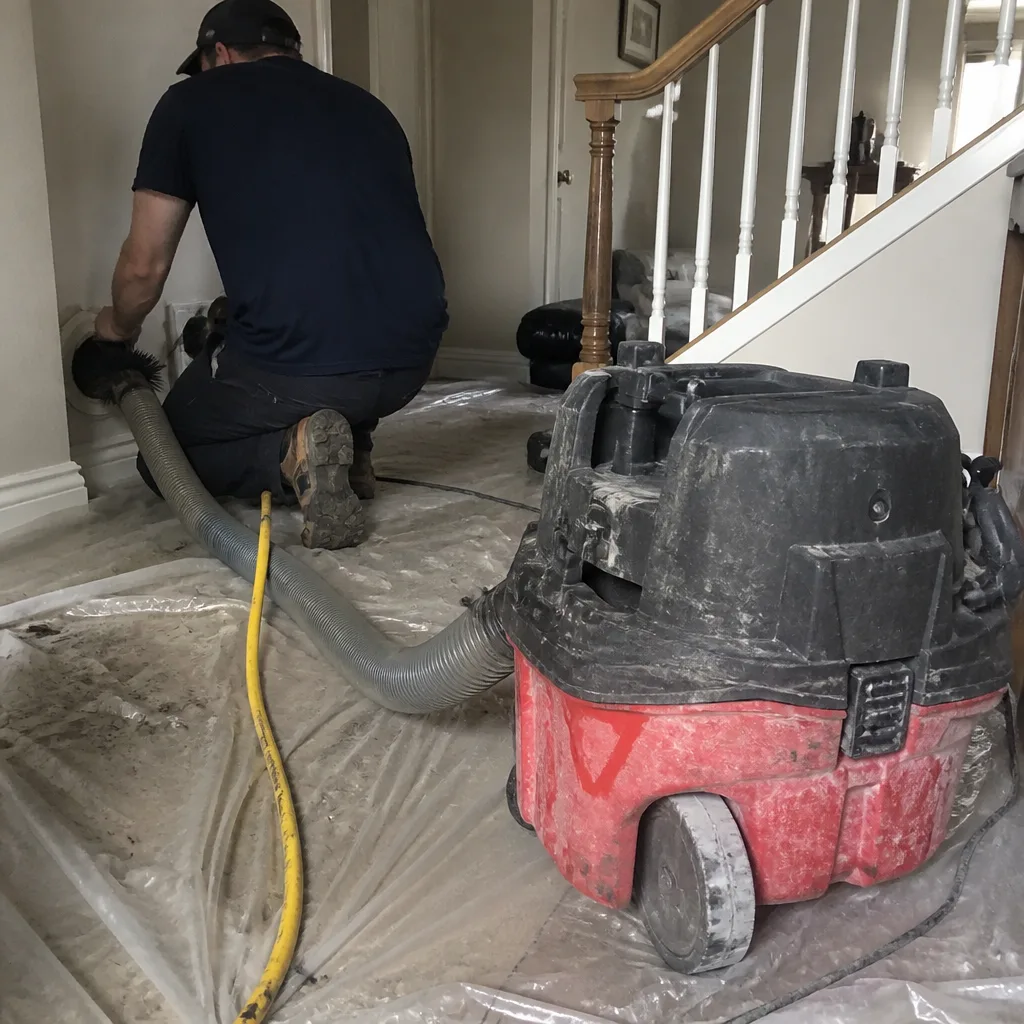 Before
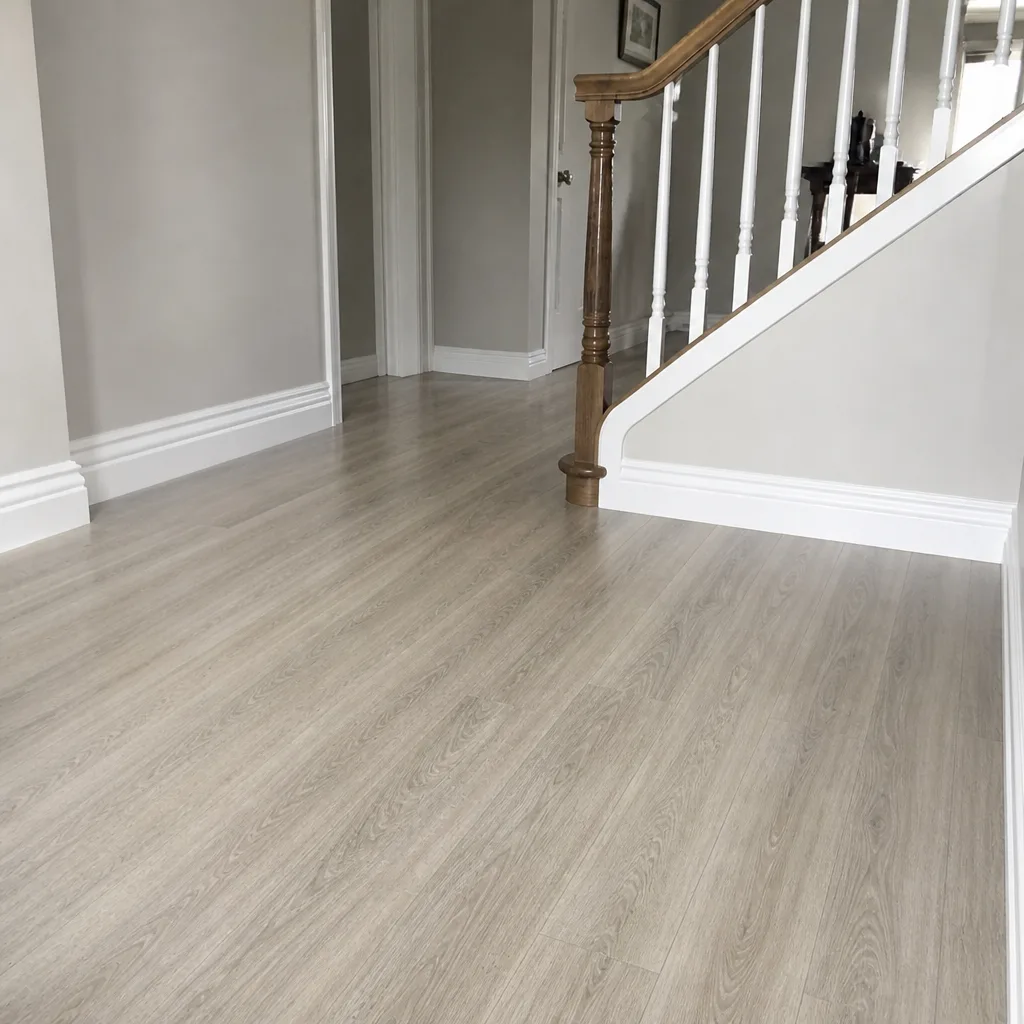 After
When to Call a Professional
Some things are worth a service call sooner than the matrix schedule suggests. Call a professional if you notice persistent musty odors when the system runs, visible debris blowing out of registers after a filter change, airflow that has weakened noticeably in specific rooms, evidence of rodent or insect activity in the ductwork, persistent indoor allergy symptoms that worsen when the HVAC is on, or any recent renovation involving drywall or major dust-producing work. In Federal Way, homes near the Hylebos Wetlands or with damp crawlspaces should treat fall moisture as a trigger for a professional look even if the schedule hasn’t come up. Federal Way Air Duct Cleaning Co offers free estimates in Federal Way. Call (844) 625-7649 to schedule an evaluation. We answer 24/7. Fast dispatch from 7am to 7pm, Sunday through Friday.
Frequently Asked Questions
Most Federal Way homes fall somewhere between every three and seven years, depending on pet load, occupancy, crawlspace moisture, HVAC run time, and renovation history. There is no single correct interval; the actual answer depends on your specific system. Call (844) 625-7649 for an exact recommendation based on your home.
It doesn’t, in any strict sense. The three-to-five-year figure isn’t a recommended standard; it became a rough industry average that spread widely. Use it only as a starting point and adjust upward or downward based on your home’s specific variables. A technician using professional inspection equipment can tell you what your system actually needs.
Yes, and the cleaning should happen within a week of completion, not months later. Drywall and sawdust particulate gets pulled into the return and settles in the ductwork during the project. Change the filter before, then clean with agitation-and-extraction equipment, then change the filter again after. Call (844) 625-7649 for a post-renovation estimate.
Watch for visible debris on register boot floors, a persistent musty smell after the heat comes on, airflow that has noticeably weakened in specific rooms, or visible pests in the ductwork. Any of those signs means a filter change alone won’t fix it. Call (844) 625-7649 for a free estimate and an honest assessment of whether cleaning is actually needed.
Yes. Dryer vents load with lint faster than air ducts load with dust, and the fire risk from ignored lint buildup is significant. Treat dryer vent cleaning as a shorter-interval item, separate from your air duct schedule.
Air duct cleaning focuses on the ductwork itself: trunk runs, branch runs, and registers. HVAC cleaning includes the air handler, coil, and components the ducts connect to. Both matter for a complete maintenance schedule, and both are part of what we work on. Call (844) 625-7649 for a free estimate on either service.
The Bottom Line
The three-to-five-year rule is a starting point, not a standard. Build your duct cleaning schedule around your actual home variables: pets, occupancy, renovation, crawlspace conditions, and HVAC run time. Check monthly filters, inspect registers annually, and log everything you observe so a technician has real data to work with. Treat renovations as a reset. Watch Federal Way’s fall leaf-mold and spring pollen windows as schedule pressure points. And when you’re ready for a professional evaluation, ask what equipment the company uses; agitation-and-extraction systems do a different job than a shop-vac rig.
Federal Way Air Duct Cleaning Co works on the whole system, and every appointment starts with a free estimate. Call (844) 625-7649 to schedule yours. We answer 24/7. Fast dispatch from 7am to 7pm, Sunday through Friday.
Written by the team at Federal Way Air Duct Cleaning Co.